Ecolink, Inc.
Q
  1. Home
  2. Industrial Degreasers
  3. Industrial Cleaning Solutions
  4. How to Use Industrial Cleaning Chemicals: Best Practices

How to Use Industrial Cleaning Chemicals: Best Practices

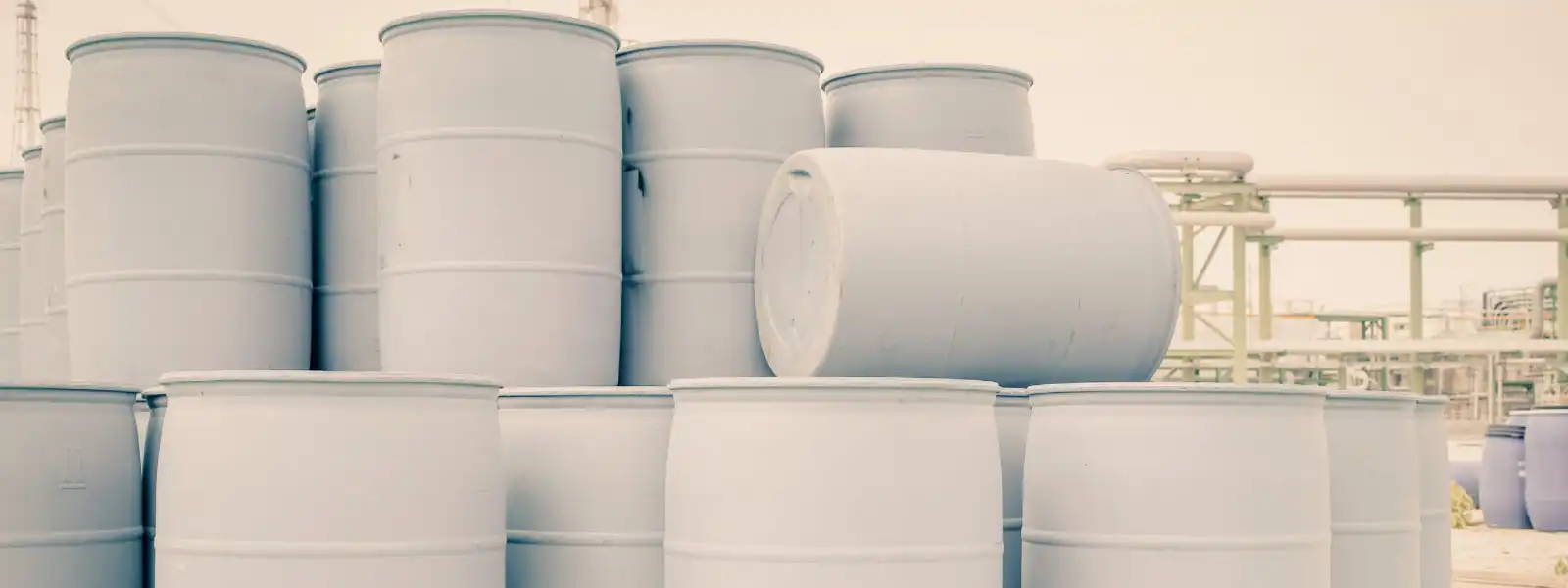
There are thousands of cleaning solutions on the market. But how do you know which one is right for your business? In this blog post, we’re going to take a closer look on how to use industrial cleaning chemicals to ensure the safest, most effective clean possible. 


Types of Industrial Cleaning Chemicals 

There are several types of cleaning agents to choose from. Here are some of the most popular kinds you may have heard of: 

  • Degreasers   
  • Disinfectants  
  • Solvents   
  • Detergents 
  • And more! 

But how do you know which type of chemical to use?  

The type of chemical you use largely depends on the desired application. Keep reading to learn more.


Applications for Industrial Chemicals by Industry 

Here are some of the common applications for commercial chemicals by industry: 

  • AerospaceRemove oil, grease, and other contaminants from aircraft or treat the surface before recoating. 
  • ElectronicsSafely clean delicate surfaces such as circuit boards to remove flux and soldering residuals. 
  • MaintenanceDisinfecting high-touch point surfaces, removing rust from pipes, etc. 
  • ManufacturingRemoving grease, oil, and other containments from parts and machinery. 
  • MilitaryWeapon, aircraft and vehicle cleaning and maintenance. 
  • UtilitiesBoiling and cooling tower maintenance, descaling, etc. 

The possibilities are endless for commercial chemicals, but no matter what industry you’re in, it’s important that you know how to use these industrial chemicals. 


How to Use Industrial Cleaning Chemicals: Best Practices 

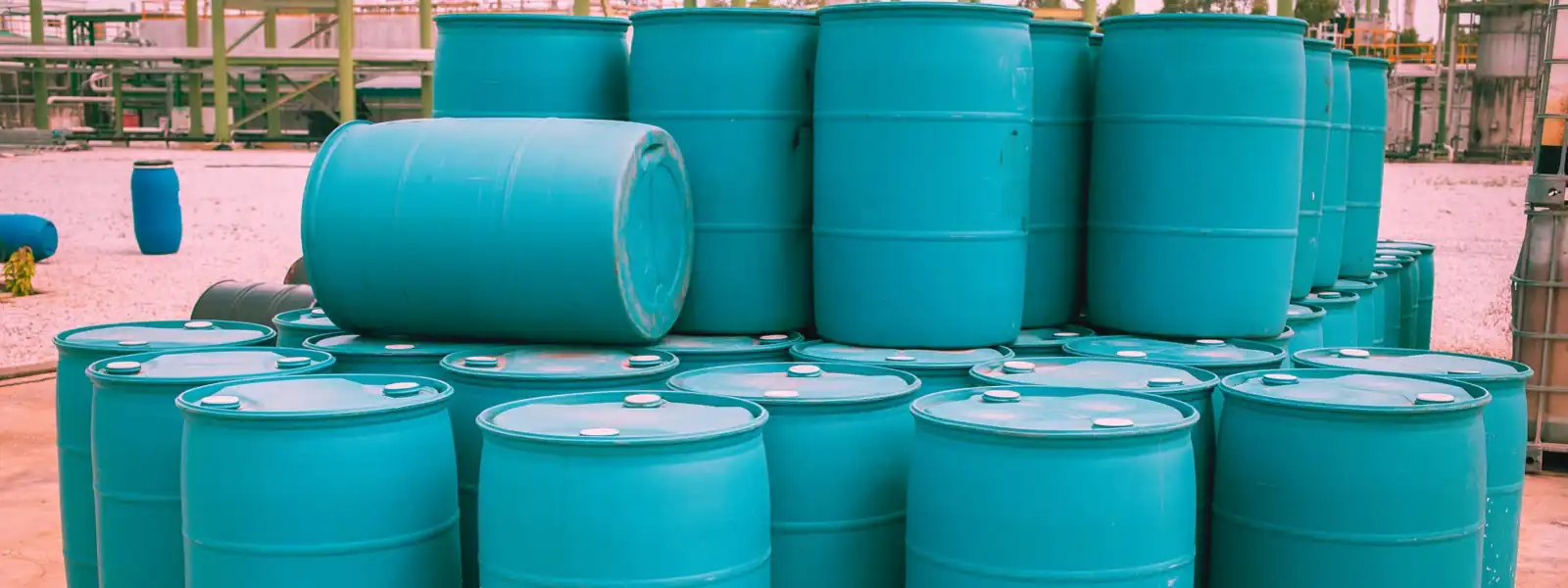
To ensure the safety of yourself, your employees, and the environment, you must know how to handle chemicals. 

Here are some of the best practices we recommend for handling products with powerful cleaning agents: 

  • Speak with a chemical consultant to ensure that the chemical you’re purchasing is best for your  
  • Make sure all employees receive in-depth training on how to store, handle, and dispose of chemical products 
  • Make sure all safety tools are updated and accessible (i.e., gloves, goggles, etc.) 
  • Read labels and manuals that come with each chemical product and follow all guidelines for proper storage, handling, and disposal 
  •  Partner with a trusted chemical disposal company to ensure safe disposal.


Looking for industrial cleaning chemicals for your business?  

Talk with an Ecolink representative to discover the best chemical product for your application. 

Our top-rated environmentally preferred chemicals are expertly designed for an effective and safer clean. Call today 1-800-563-1305!


Additional Resources

Search here

Don’t forget to share this post!

Categories

Suggested Blog Posts

View all News
By Mark
Common Causes of Foaming in Industrial Water and Effective Control Methods
Jul 17 2026

Common Causes of Foaming in Industrial Water and Effective Control Methods

Excessive foam in industrial water systems disrupts operations, reduces treatment efficiency, causes overflow events, and creates worker safety hazards that cost...
By Mark
Key Benefits of Using an Aerosol Degreaser for Electronics
Jul 13 2026

Key Benefits of Using an Aerosol Degreaser for Electronics

Grease, flux residue, dust, and moisture accumulation on circuit boards and electrical contacts are among the leading causes of premature equipment failure in...
By Mark
What Is a Flux Remover: Benefits, Usage, and Appropriate Selection Guide
Jul 10 2026

What Is a Flux Remover: Benefits, Usage, and Appropriate Selection Guide

Flux residues left on printed circuit boards after soldering are one of the leading causes of premature electrical failures in electronics manufacturing. These...
By Mark
How Do Water-Based Cleaners Remove Grease from Industrial Metal Parts Safely
Jul 10 2026

How Do Water-Based Cleaners Remove Grease from Industrial Metal Parts Safely

Water-based cleaners remove grease from industrial metal parts safely by using surfactants, pH builders, emulsifiers, corrosion inhibitors, heat, and agitation to...
By Khatera Barati
Khatera Barati - Digital Marketing Content Intern
Jul 07 2026

From WordPress to SEO: My Ecolink Marketing Internship

Reflecting on My Marketing Internship at Ecolink As my internship with Ecolink comes to an end, I’ve had the opportunity to reflect on how much I’ve learned over the...
By Mark
Why Industrial Lubricants Are the Backbone of Modern Machinery
Jul 06 2026

Why Industrial Lubricants Are the Backbone of Modern Machinery

Improper lubrication causes 64% of bearing failures, making it the single greatest preventable cause of machinery breakdown across every industrial sector. That...
By Mark
What Is an Epoxy Paint Stripper and What Are Its Uses?
Jun 29 2026

What Is an Epoxy Paint Stripper and What Are Its Uses?

An epoxy paint stripper is a heavy-duty chemical solution used to soften, swell, and remove cured epoxy paint from surfaces where standard paint removers are...
By Mark
How Boiler Water Treatment Chemicals Prevent System Corrosion
Jun 25 2026

How Boiler Water Treatment Chemicals Prevent System Corrosion

Boiler water treatment chemicals prevent system corrosion by controlling the conditions that allow metal attack: dissolved oxygen, carbon dioxide, low pH, hardness...
By Mark
Types of Water Treatment Chemicals
Jun 22 2026

Types of Water Treatment Chemicals

Choosing the right water treatment chemicals starts with knowing what the water contains, what the system needs to protect, and what regulations apply. The main types...
By Mark
Industrial Lubricants: Types, Uses, and How They Work
Jun 19 2026

Industrial Lubricants: Types, Uses, and How They Work

Industrial lubricants reduce friction, control heat, protect parts, and help industrial machinery run reliably under demanding operating conditions. If you need to...
View all News