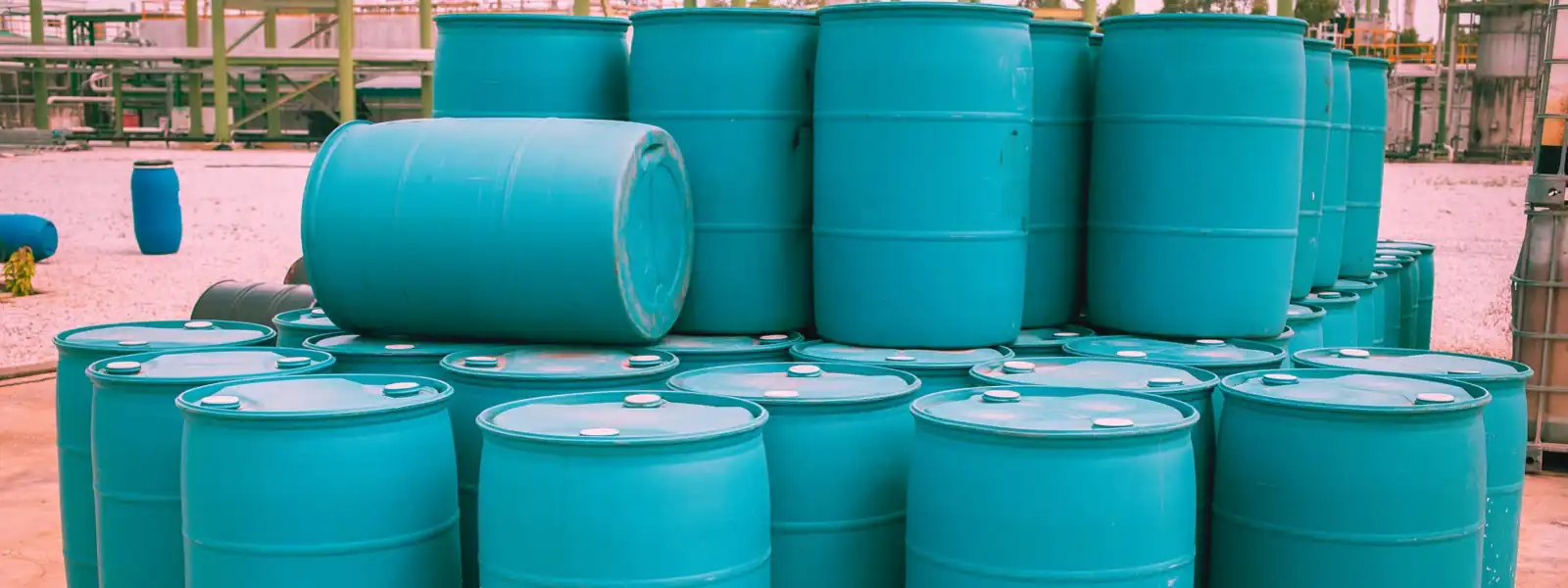
What is trichloroethylene (TCE)? The question is often asked by companies and organizations that have never used cleaners that contain the chemical but have heard good and bad things about using it on a consistent basis. According to Wikipedia, TCE is “a halocarbon commonly used as an industrial solvent. It is a clear non-flammable liquid with a sweet smell [and] should not be confused with 1,1,1-trichloroethane, which is commonly [identified] as chlorothene.
A Good Start With a Bad End
Soon after it was invented in Britain in the early decades of the 20th Century, TCE was promoted as a cutting edge anesthetic that was said to possess less hepatotoxicity than chloroform and lacked the unpleasant smell and flammability of ether. However, after further scientific research into TCE, it was found to be as dangerous as its previously mentioned counterparts, although the danger of using the chemical compound was responded to slowly.
In fact, trichloroethylene (TCE) was still used as a self-administered, inhalation analgesic to aid with childbirth until the early 1980s, when developed countries officially began to consider the substance dangerous for human use. In fact, today, the Agency for Toxic and Disease Substances (ATSDR) classifies trichloroethylene (TCE) as a hazardous substance that has the following, undesirable — if not outright dangerous — characteristics that establish its toxicity.
- Reasonably anticipated to be a human carcinogen (EPA)
- Carcinogenic to humans (IARC)
- Classified as a volatile organic compound (ATSDR)
- Candidate substance for toxic status (NTP)
If your company or organization still uses TCE for cleaning operations or other procedures, it faces two problems: The chronic use of the chemical compound can have deleterious effects on human health, and the environmental protection agency seems poised to add TCE to its list of toxic substances that was instituted following the passage of the Clean Air Act of 1990. In fact, The EPA already regulates the presence of TCE in drinking water to help protect public health.
Finding a Replacement for TCE
In addition to its use in humans, Trichloroethylene (TCE) has a long history of being used to remove grease from fabricated metal parts to facilitate textile production. In many sectors, it’s most common application continues to be as a degreasing agent for breaking up tough accumulations quickly. However, companies are not left in the difficult position of deciding whether to use TCE or not.
Instead, they can work with Ecolink and identify a TCE replacement that works just as well or better for degreasing jobs. One option is replacing TCE with NuGenTec FluoSolv® CX. Unlike TCE, NuGenTec FluoSolv® CX offers the following, health-related and environmental benefits.
- Not a carcinogenic, mutagenic, or reproductive toxin (CMR)
- Solution has a high exposure limit up to 200 ppm
- Has an annual consumption level of two tonnes a year
- Has low global warming potential (50 compared to TCE’s 140)
- Created to be Chemically stable (no need for stabilizers)
- Eliminates a liquid waste stream (reduces waste disposal costs)
These reasons should be more than enough to motivate your company or organization to reach out us to discuss Trichloroethylene (TCE) replacement solutions if it uses the toxic substance. If our ideal TCE replacement solution for degreasing, NuGenTec FluoSolv® CX, doesn’t meet your unique needs, don’t worry. We will create a custom solution that is tailored to address your requirements. Call us today at (800) 563-1305, or refer to the contact page on our website.
 Ecolink Team