Ecolink, Inc.
Q
  1. Home
  2. White Oils
  3. What is 90 White Oil?

What is 90 White Oil?

Last updated:

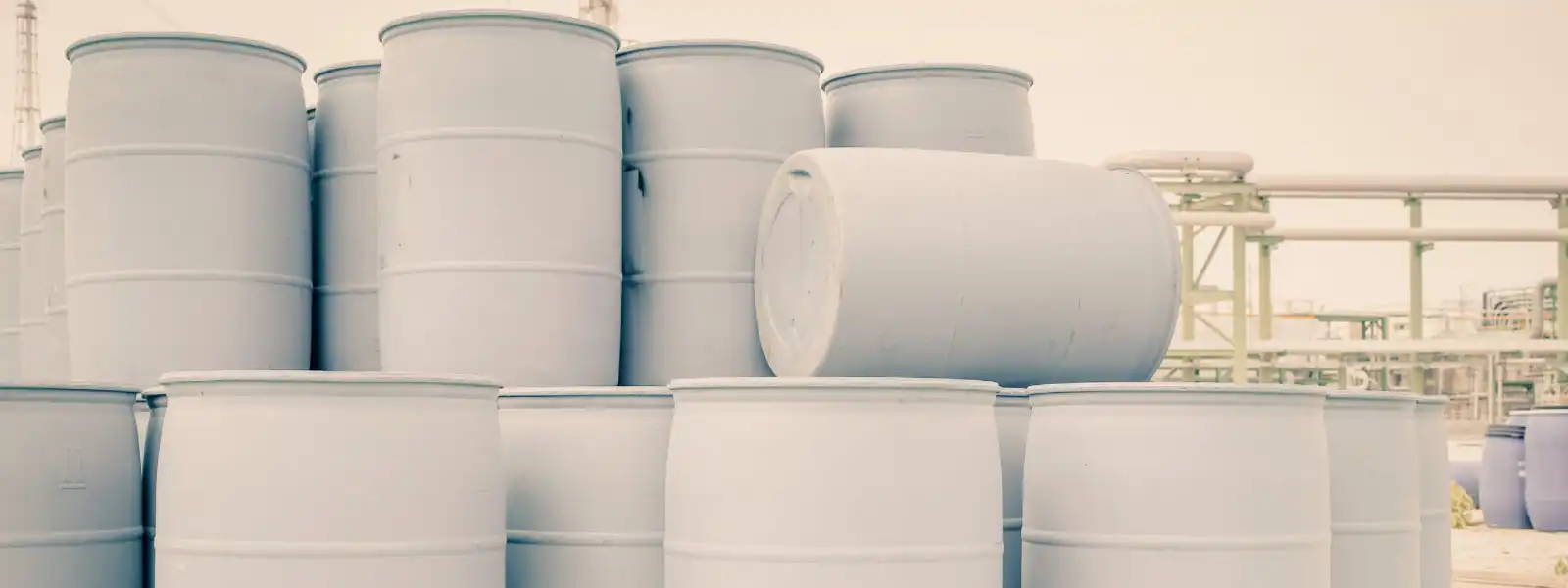
To begin, we should discuss the overall view of white oil in general. When people normally think of oils what do they think about? Fuel oil, motor oil, or oil for their food: olive, avocado etc. The closest one came to when thinking about white oil is food oils.  White oil is a kind of clean mineral oil that is safe to use in many different industries. White oil is clear and has no smell,  and is tasteless. This makes it easier to be applied in and on many different items.  90 White oil has been made in a way that it meets the needs for Kosher lifestyles, and is made so that it can be safely in contact with food. This is a refined product by using high pressure hydro treatment and is stabilized with vitamin E.  The 90 in 90 white oil refers to the viscosity grade of the oil there are three other grades along with 90 White Oil.

Three Grades of 90 White Oil

  • 70 White Oil
  • 90 White Oil
  • 220 White Oil
  • 350 White Oil

The main difference between all these products is essentially the viscosity of the products listed above. Viscosity is basically the thickness of the oil and how thick or runny the product is, and that varies by who is interested in the product. Otherwise it is all White Oil, but different viscosities may be needed for the different types of applications this product has.

Applications of 90 White Oil

  • Cosmetics
  • Pharmaceuticals
  • Textile Fiber Lubricant
  • Fruit and Vegetable Coatings
  • Coatings for Kitchen Supplies (Knives, Bakery Pans etc)

The application of 90 White Oil and other white oil viscosities are used on some of the most common products Americans use everyday. This product has so many benefits that make it a safe usable product for a variety of  companies and products. For more information on our white oil products contact us here.


Search here

Don’t forget to share this post!

Categories

Suggested Blog Posts

View all News
By Khatera Barati
Khatera Barati - Digital Marketing Content Intern
Jul 07 2026

From WordPress to SEO: My Ecolink Marketing Internship

Reflecting on My Marketing Internship at Ecolink As my internship with Ecolink comes to an end, I’ve had the opportunity to reflect on how much I’ve learned over the...
By Mark
What Is an Epoxy Paint Stripper and What Are Its Uses?
Jun 29 2026

What Is an Epoxy Paint Stripper and What Are Its Uses?

An epoxy paint stripper is a heavy-duty chemical solution used to soften, swell, and remove cured epoxy paint from surfaces where standard paint removers are...
By Mark
How Boiler Water Treatment Chemicals Prevent System Corrosion
Jun 25 2026

How Boiler Water Treatment Chemicals Prevent System Corrosion

Boiler water treatment chemicals prevent system corrosion by controlling the conditions that allow metal attack: dissolved oxygen, carbon dioxide, low pH, hardness...
By Mark
Types of Water Treatment Chemicals
Jun 22 2026

Types of Water Treatment Chemicals

Choosing the right water treatment chemicals starts with knowing what the water contains, what the system needs to protect, and what regulations apply. The main types...
By Mark
Industrial Lubricants: Types, Uses, and How They Work
Jun 19 2026

Industrial Lubricants: Types, Uses, and How They Work

Industrial lubricants reduce friction, control heat, protect parts, and help industrial machinery run reliably under demanding operating conditions. If you need to...
By Mark
Industrial Degreaser: How to Keep Machinery Clean and Performing Efficiently
Jun 15 2026

Industrial Degreaser: How to Keep Machinery Clean and Performing Efficiently

Contaminated machinery runs hotter, wears faster, wastes energy, and fails sooner. The right industrial degreaser removes grease, oil, grime, carbon deposits, and...
By Mark
How Do Water-Based Cleaners Remove Grease from Industrial Metal Parts Safely
Jun 12 2026

How Do Water-Based Cleaners Remove Grease from Industrial Metal Parts Safely

Water-based cleaners remove grease from industrial metal parts safely by using surfactants, pH builders, emulsifiers, corrosion inhibitors, heat, and agitation to...
By Tomas Fernandez
Image of Latin America Region "LATAM Chemical Trends 2026"
Apr 16 2026

Latin America Chemical Trends 2026

A Strait 29 Nautical Miles Wide Is Reshaping Chemical Supply Chains Across Latin America. Here's What You Need to Know The Strait of Hormuz doesn't appear on most...
By Sydney Manns
Find HPLC-Grade Acetonitrile with Ecolink today! Availbale in 4x1, 5 gallon and 55 gallon options!
Mar 20 2026

Benefits of Acetonitrile HPLC Grade for Your Laboratory Needs

HPLC-grade Acetonitrile is one of the most widely used high-purity solvents in analytical chemistry, pharmaceuticals, environmental testing, and food safety.  Its...
By Khatera Barati
Acetone VS Paint Thinner for Cleaning, purchase from Ecolink today!
Jan 13 2026

Acetone vs. Paint Thinner for Cleaning: Which One Works Better and Why?

Acetone vs Paint Thinner for Cleaning  If you’re looking to purchase chemicals for your industrial cleaning application, it’s important to educate yourself on each...
View all News