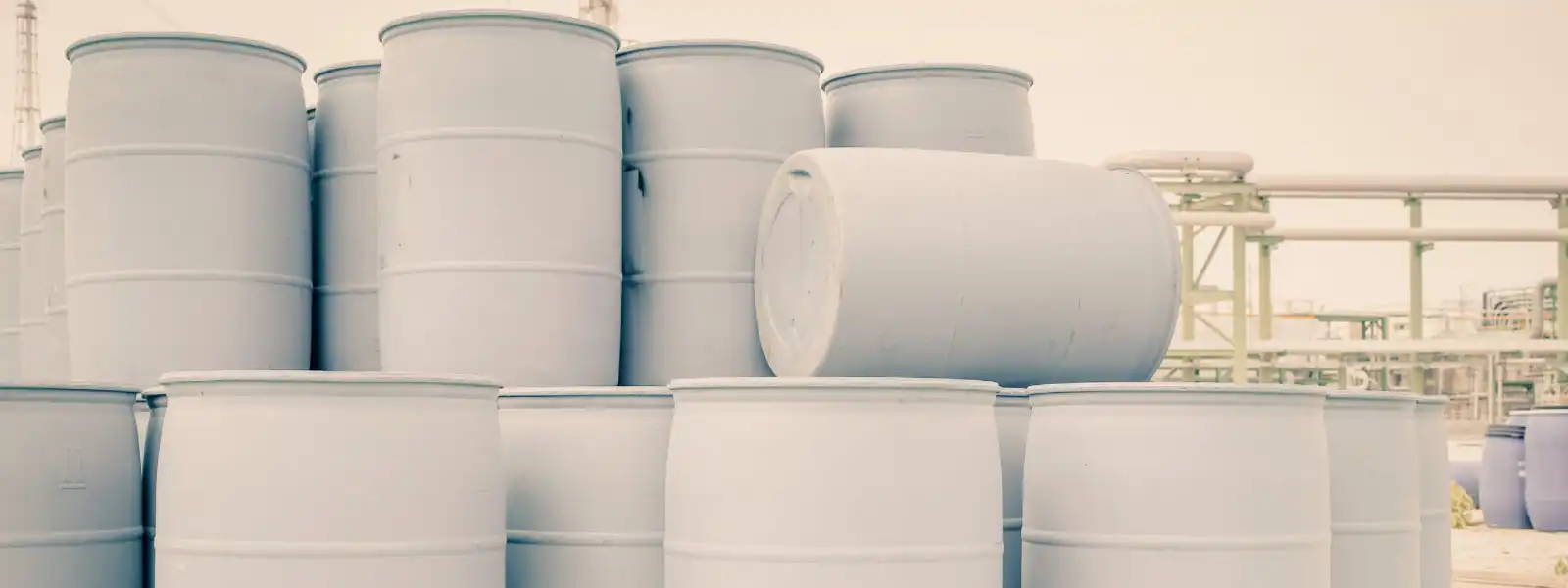
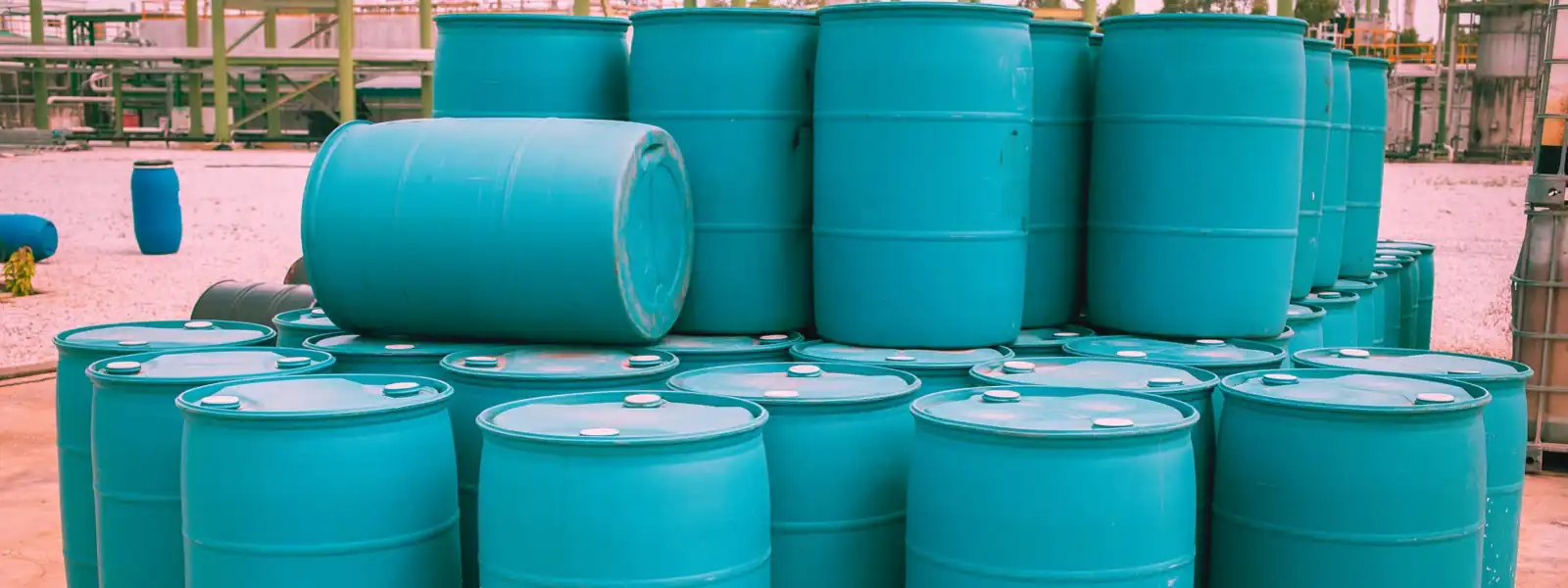
[av_gallery ids=’14310′ style=’big_thumb lightbox_gallery’ preview_size=’large’ crop_big_preview_thumbnail=’avia-gallery-big-crop-thumb’ thumb_size=’portfolio’ columns=’5′ imagelink=’lightbox’ lazyload=’avia_lazyload’ av_uid=’av-jxvw46ga’ admin_preview_bg=”]
[av_hr class=’invisible’ height=’40’ shadow=’no-shadow’ position=’center’ custom_border=’av-border-thin’ custom_width=’50px’ custom_border_color=” custom_margin_top=’30px’ custom_margin_bottom=’30px’ icon_select=’yes’ custom_icon_color=” icon=’ue808′ font=’entypo-fontello’ av_uid=’av-jxw5od18′ admin_preview_bg=”]
[av_textblock size=” font_color=” color=” av-medium-font-size=” av-small-font-size=” av-mini-font-size=” av_uid=’av-jxvw9zj7′ admin_preview_bg=”]
What is Sulfuric Acid? (H2SO4)
Sulfuric acid is a mineral acid that is also known as battery acid and vitriol. It is composed of two hydrogen and two oxygen groups covalently bonded to a central sulfur atom. Sulfuric acid can be colorless to slightly yellow depending on its purity and is odorless but has a strong acid taste.
Sulfuric acid is also a dense, syrupy liquid that is synthesized in highly exothermic reactions, which means it should be diluted by adding acid to water and not water to acid. It also acts as a catalyst, is highly corrosive, and has a great affinity for water, which means it can be used as a remarkable drying agent.
[/av_textblock]
[av_textblock size=” font_color=” color=” av-medium-font-size=” av-small-font-size=” av-mini-font-size=” av_uid=’av-jxvwac4s’ admin_preview_bg=”]
Industries and Applications for Sulfuric Acid
- Agriculture
- Production of phosphate fertilizers
- Field spraying before potato harvest
- Used as a desiccant
- Herbicides
- Chemical Synthesis
- Aids in the manufacturing of other chemicals
- hydrochloric acid, nitric acid, phosphoric acid, etc.
- Aids in the manufacturing of other chemicals
- Fuel
- Gasoline
- Jet fuel
- Kerosene
- Oil Refining
- Manufacturing
- Drain cleaning products
- Petroleum refining
- Ore processing
- Paper manufacturing
- Lead-Acid batteries
- Leather
- Printing
- Rayon
- Used as catalyst in oil refinement
- Medical
- Chemotherapy drugs
- Veterinary drugs
- Metal processing
- Sanitation
- Food and dairy
- Wastewater treatment
[/av_textblock]
[av_textblock size=” font_color=” color=” av-medium-font-size=” av-small-font-size=” av-mini-font-size=” av_uid=’av-jxvwaler’ admin_preview_bg=”]
Fun Facts
These are some additional things you might not know about sulfuric acid:
- Johann Glauber was the first chemist to prepare sulfuric acid by burning sulfur with saltpeter, potassium nitrate, and KNO3 in the presence of steam.
- Sulfuric acid shares 6% of the acid production around the world.
- The lead chamber process was the main method used to produce sulfuric acid acid for almost 2 decades.
- Acid rain consists of diluted sulfuric acid, which is the result of atmospheric oxidation of sulfur dioxide in the presence of water.
[/av_textblock]
[av_textblock size=” font_color=” color=” av-medium-font-size=” av-small-font-size=” av-mini-font-size=” av_uid=’av-jxvwcxi0′ admin_preview_bg=”]
Chemical Safety
Health Rating: 3 – The chemical has met Safer Choice Criteria for its functional ingredient class, but has some hazard profile issues. In other words, a chemical with this code is not associated with a low hazard concern for environmental endpoints and human health.
Sulfuric acid can cause serious or permanent injury under emergency conditions, such as contact with skin or eyes that may lead to severe burns, and ingestion that may lead to severe irritation of the mouth and stomach.
Refer to this Safety Data Sheet for more regulations on how to handle sulfuric acid safely.
[/av_textblock]
[av_hr class=’invisible’ height=’40’ shadow=’no-shadow’ position=’center’ custom_border=’av-border-thin’ custom_width=’50px’ custom_border_color=” custom_margin_top=’30px’ custom_margin_bottom=’30px’ icon_select=’yes’ custom_icon_color=” icon=’ue808′ font=’entypo-fontello’ av_uid=’av-jxw5od18′ admin_preview_bg=”]
[av_textblock size=” font_color=” color=” av-medium-font-size=” av-small-font-size=” av-mini-font-size=” av_uid=’av-jxyp3qa2′ admin_preview_bg=”]
If you would like to purchase sulfuric acid, contact Ecolink at (800)-563-1305 or email info@ecolink.com
If you have any further questions, submit an inquiry through our online form.
[/av_textblock]
 Ecolink Team