Ecolink, Inc.
Q
  1. Home
  2. Acetone Cleaners
  3. Turpentine vs Acetone 

Turpentine vs Acetone 

Last updated:

What are the differences when comparing turpentine vs acetone? Turpentine and acetone are similar chemical solvents that can be used for many of the same industrial applications as a solvent or cleaning agent.  Both turpentine and acetone can be used as additives in paint thinners, stripping agents, and lacquers. These two products can also be used as quick-drying cleaning agents for large industrial machinery. 

Turpentine is derived from pine trees and has been used for centuries, originally as a thinning agent for oil paints. Acetone is believed to have been discovered in the middle ages by alchemists. It is believed that it was first produced in the early 1600s as a distillate of lead acetate. In modern practice, acetone can be used as a solvent for plastics and synthetic fibers. It also saw its way into the cosmetics industry as an additive to nail polish and other products. 

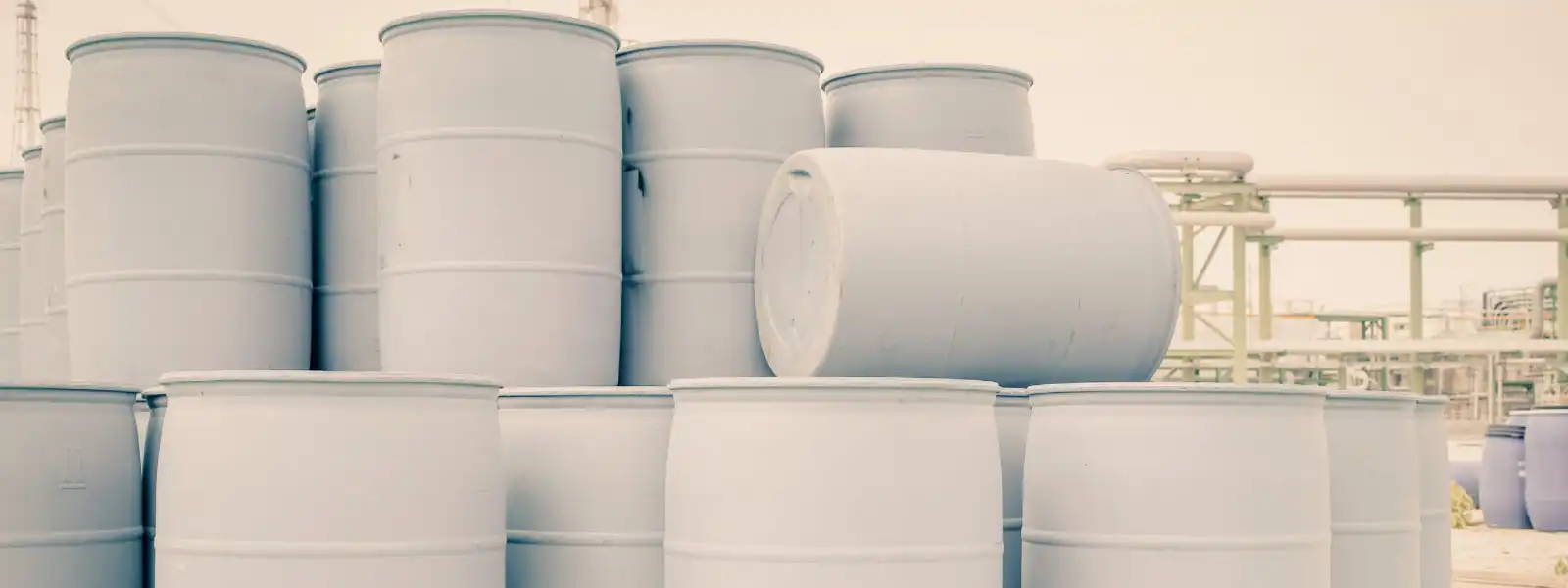
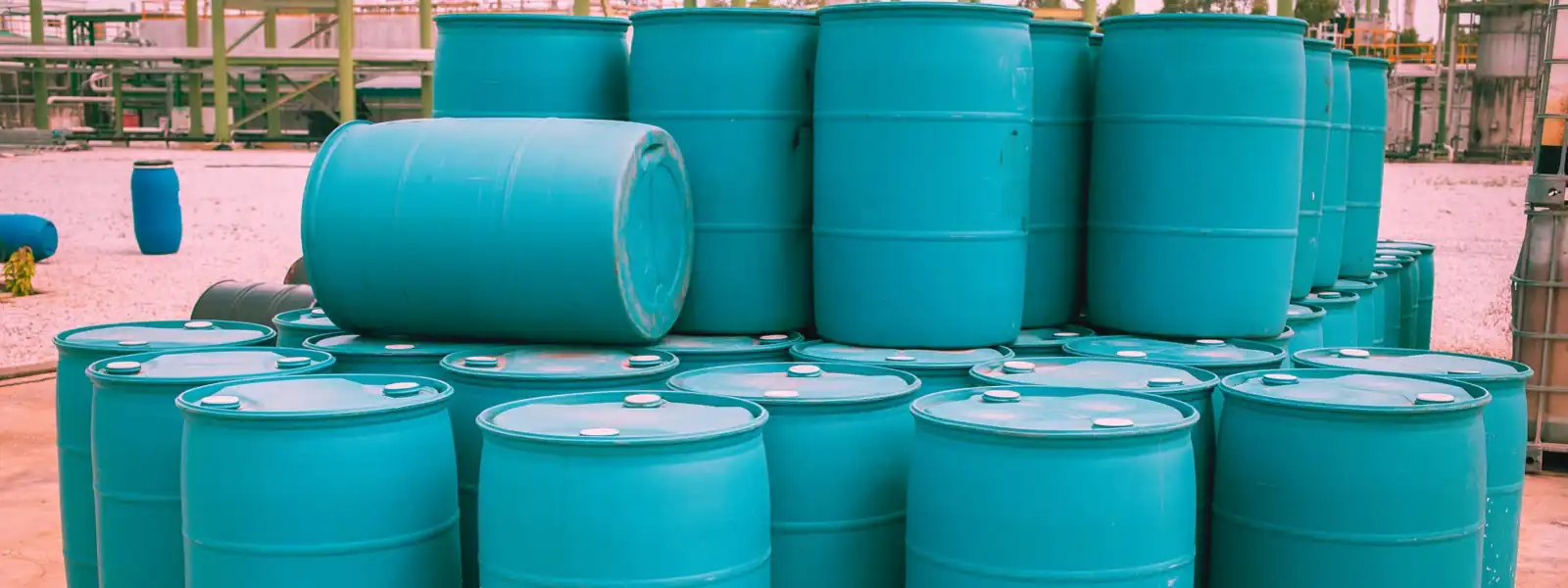
Ecolink offers both Turpentine and Acetone in bulk to accommodate your particular applications. 

Turpentine vs Acetone – Benefits & Applications 

  • Effective solvent properties 
  • Effective cleaning agent
  • Fast drying 
  • Degreasing and extraction solvent 
  • Varnishes 
  • Lacquer 
  • Paint Thinners
  • Striping Agents

Both turpentine and acetone can be used for many of these applications, and if you need help choosing the best chemical product for your particular use, the experts at Ecolink can help you. 

Ecolink has been a leading provider of bulk chemicals and solvents for over 30 years. Our team of knowledgeable chemists and experts will take the time to understand your particular needs and find the best solution to get the job done while providing you with the necessary knowledge for safe use and disposal. 

Want To Learn More?

If you want to learn more about turpentine vs acetone or need to find a reliable bulk chemical supplier, Contact Ecolink  Here. Our knowledgeable experts are ready to help you with all your chemical needs!


Search here

Don’t forget to share this post!

Categories

Suggested Blog Posts

View all News
By Mark
What Is a Flux Remover: Benefits, Usage, and Appropriate Selection Guide
Jul 13 2026

What Is a Flux Remover: Benefits, Usage, and Appropriate Selection Guide

Flux residues left on printed circuit boards after soldering are one of the leading causes of premature electrical failures in electronics manufacturing. These...
By Mark
How Do Water-Based Cleaners Remove Grease from Industrial Metal Parts Safely
Jul 10 2026

How Do Water-Based Cleaners Remove Grease from Industrial Metal Parts Safely

Water-based cleaners remove grease from industrial metal parts safely by using surfactants, pH builders, emulsifiers, corrosion inhibitors, heat, and agitation to...
By Khatera Barati
Khatera Barati - Digital Marketing Content Intern
Jul 07 2026

From WordPress to SEO: My Ecolink Marketing Internship

Reflecting on My Marketing Internship at Ecolink As my internship with Ecolink comes to an end, I’ve had the opportunity to reflect on how much I’ve learned over the...
By Mark
Why Industrial Lubricants Are the Backbone of Modern Machinery
Jul 06 2026

Why Industrial Lubricants Are the Backbone of Modern Machinery

Improper lubrication causes 64% of bearing failures, making it the single greatest preventable cause of machinery breakdown across every industrial sector. That...
By Mark
What Is an Epoxy Paint Stripper and What Are Its Uses?
Jun 29 2026

What Is an Epoxy Paint Stripper and What Are Its Uses?

An epoxy paint stripper is a heavy-duty chemical solution used to soften, swell, and remove cured epoxy paint from surfaces where standard paint removers are...
By Mark
How Boiler Water Treatment Chemicals Prevent System Corrosion
Jun 25 2026

How Boiler Water Treatment Chemicals Prevent System Corrosion

Boiler water treatment chemicals prevent system corrosion by controlling the conditions that allow metal attack: dissolved oxygen, carbon dioxide, low pH, hardness...
By Mark
Types of Water Treatment Chemicals
Jun 22 2026

Types of Water Treatment Chemicals

Choosing the right water treatment chemicals starts with knowing what the water contains, what the system needs to protect, and what regulations apply. The main types...
By Mark
Industrial Lubricants: Types, Uses, and How They Work
Jun 19 2026

Industrial Lubricants: Types, Uses, and How They Work

Industrial lubricants reduce friction, control heat, protect parts, and help industrial machinery run reliably under demanding operating conditions. If you need to...
By Mark
Industrial Degreaser: How to Keep Machinery Clean and Performing Efficiently
Jun 15 2026

Industrial Degreaser: How to Keep Machinery Clean and Performing Efficiently

Contaminated machinery runs hotter, wears faster, wastes energy, and fails sooner. The right industrial degreaser removes grease, oil, grime, carbon deposits, and...
By Tomas Fernandez
Image of Latin America Region "LATAM Chemical Trends 2026"
Apr 16 2026

Latin America Chemical Trends 2026

A Strait 29 Nautical Miles Wide Is Reshaping Chemical Supply Chains Across Latin America. Here's What You Need to Know The Strait of Hormuz doesn't appear on most...
View all News