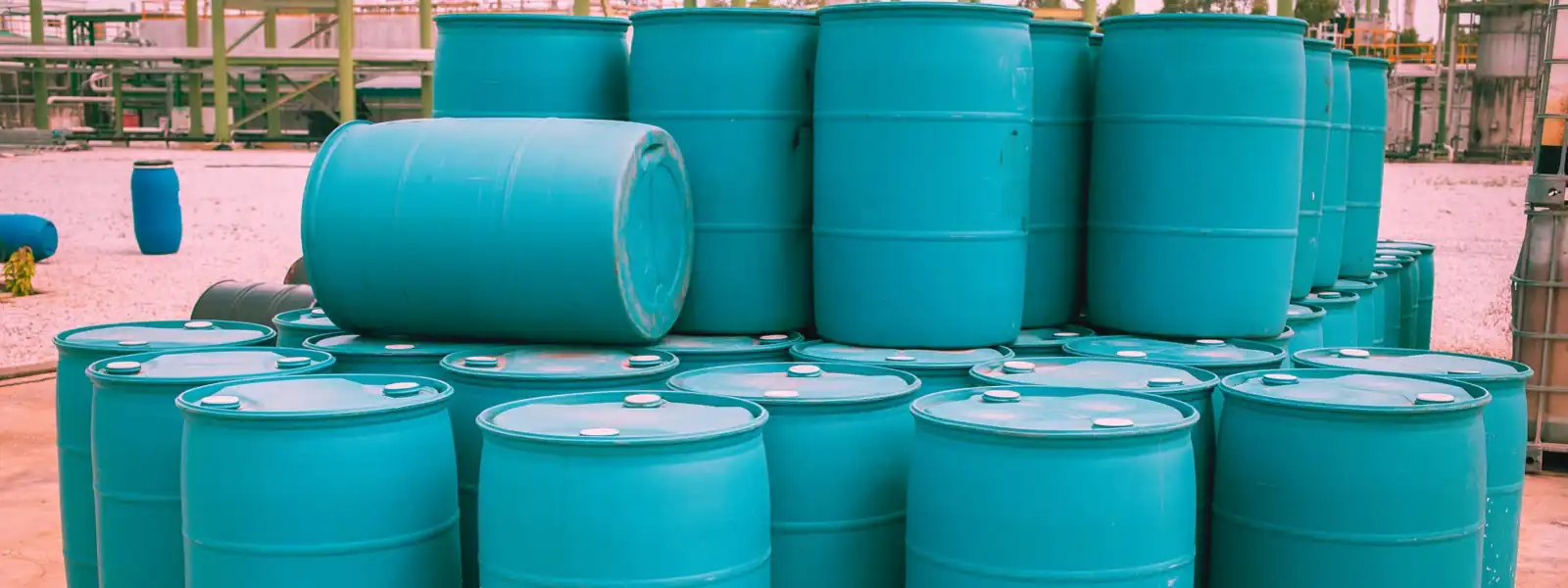
Each year, companies and organizations that use solvent cleaners to perform business-critical cleaning operations produce countless tons of waste solvent. Many of these solvent users dispose of waste solvent in the traditional way: By having it removed and hauled away by a waste solvent disposal company that specializes in taking waste solvent out of circulation.
However, there is another, more cost effective option solvent users can choose: Have waste solvent removed by a company that specializes in solvent recycling — a process that removes solute that pollutes waste solvents by applying distillation and fractionation technologies. Choosing this option over traditional waste removal can have important financial benefits.
Supports “Green” Business
In the age of environmental awareness, a company’s reputation with customers and business partners is partly shaped by the eco friendliness of its business practices. Disposing of waste through solvent recycling benefits a company’s image by making it appear “greener” in the eyes of customers and associates. Today, many people prefer to do business with companies that help to protect the environment, and solvent recycling helps your company do exactly that.
- Lowers Waste Disposal Cost
Recycling waste solvent is typically a more cost effective option than permanent disposal because the costs associated with the latter practice are eliminated for the recycler. This means that the recycler can pass on the savings and charge you less for “disposing” of your waste solvent. If you use a large volume of cleaning solvent annually, chances are that your waste disposal bill is relatively robust. Reduce the cost by participating in waste solvent recycling.
- Reduces Chemical Emissions
Solvent disposal that focuses on recycling helps reduce chemical emissions in two main ways. First, unlike some permanent solvent disposal procedures, solvent recycling typically involves a low level of emissions. Second, because recycled waste solvent can be reused, the burden on solvent manufacturers to produce more solvent is inherently reduced. The lower the volume of solvents that are produced, the lower the volume of emissions that result from producing them.
- Lowers Healthcare Costs
Because solvent recycling is a valuable environmental practice as much as it is a profitable business practice, waste solvent recyclers take great care to remove cleaner from waste traps in a manner that lets no dangerous vapors escape. Because waste solvent is removed on a regular basis, workers can be consistently exposed to vapors that escape from the accessed waste trap. Eliminating the exposure helps to reduce negative health conditions in workers.
- Reduces Solvent Purchase
Having waste solvent recycled and “purified” to its original form allows companies to reuse the solvent instead of continually acquiring new solvent. You have already paid for the solvent in your waste trap. Why pay for it again in the form of a new product when you can pay less to recycle and reuse the solvent, with the cleaner delivering the same efficacy as before?
Not surprisingly, solvent disposal recycling helps many companies save thousands a year.
Contact Us to Learn More
For more information about the benefits of performing solvent disposal in the form solvent recycling, contact the solvent experts at Ecolink. We support the solvent recycling process and are happy to answer any questions you may have about recycling your particular solvents. We can also provide you with information about which solvents are easiest to recycle in terms of cost and the duration of the recycling process. Give us a call today at (800) 563-1305.
 Ecolink Team