Ecolink, Inc.
Q
  1. Home
  2. Toxic Chemicals
  3. Reducing Worker Exposure to Toxic Chemicals

Reducing Worker Exposure to Toxic Chemicals

Last updated:

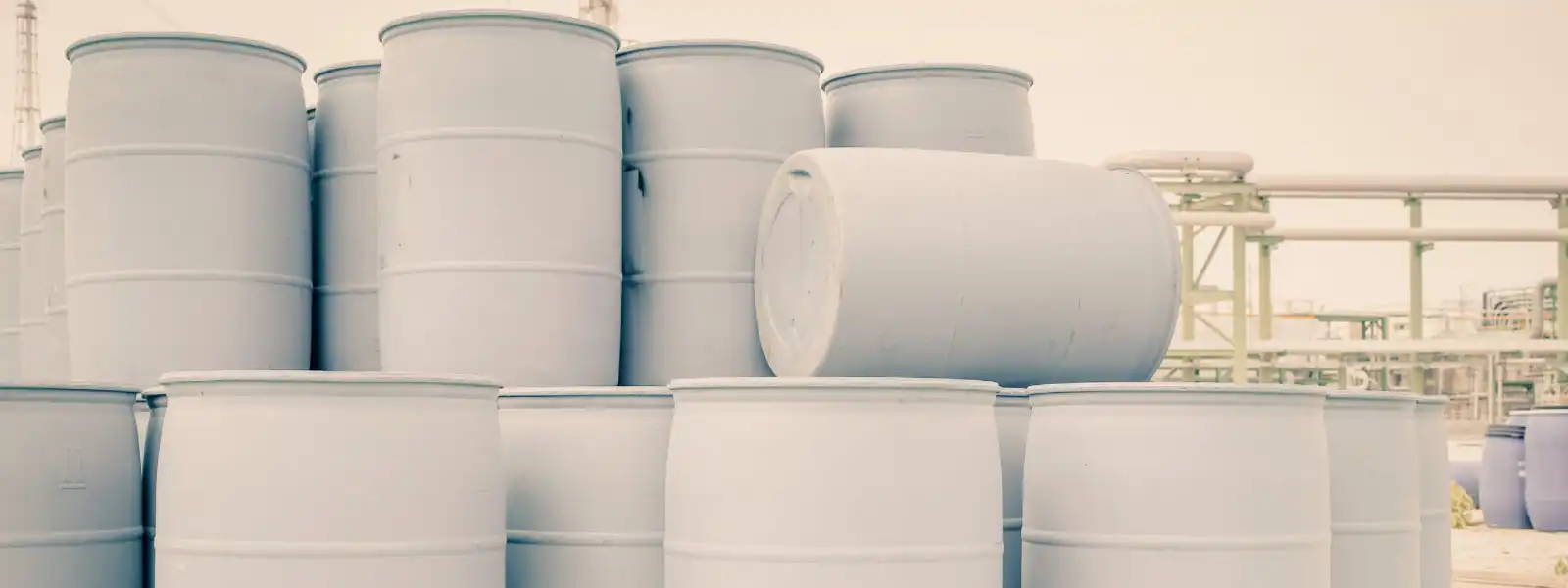
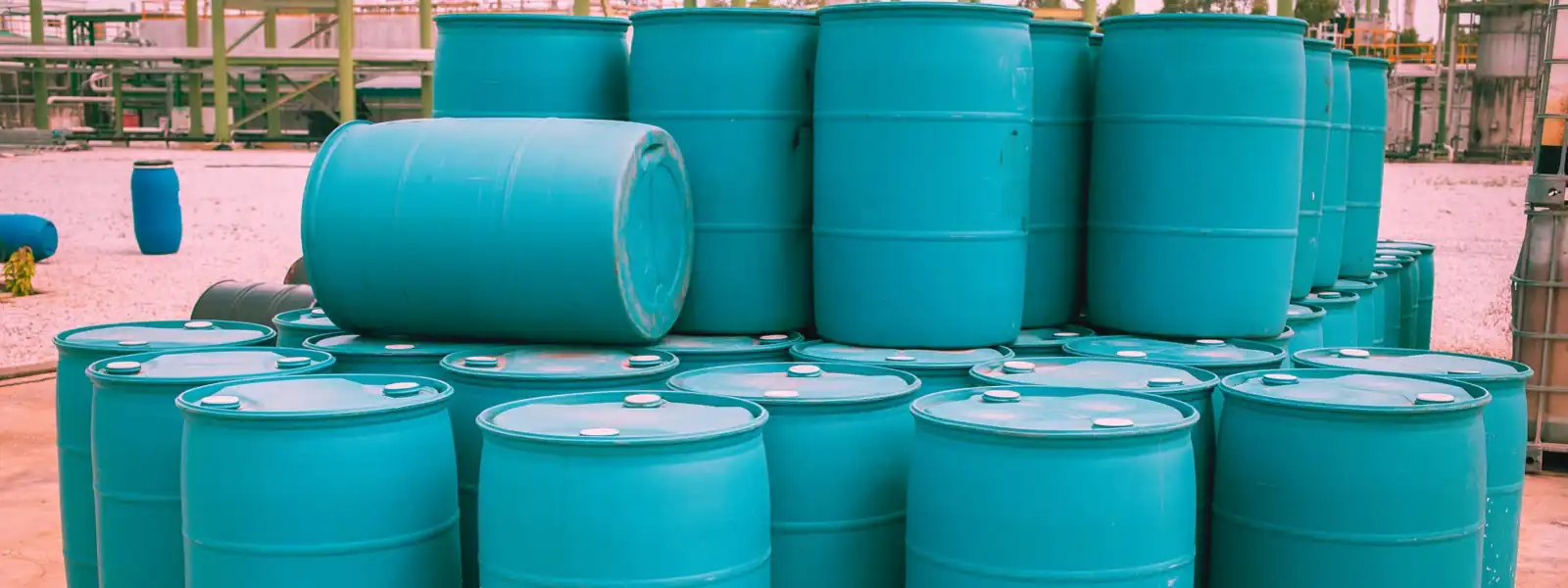
Numerous industrial companies require the use of certain types of chemicals in order to clean parts, metals, and materials, so that those pieces can be utilized to perform as intended. Industrial companies rely on chemical cleaning agents for their business to thrive, because products that have not been properly cleaned can lead to serious problems, including operation malfunction, lower than expected functionality, and loss of business. In the past, because of the inherent need to clean parts and materials, people who are responsible for implementing the cleaning protocol were exposing themselves to toxic chemicals, whether knowingly and not taking the matter seriously, or unknowingly due to ignorance of the severity of these toxic chemicals. Fortunately, nowadays there is a stringent focus on not only reducing, but also eliminating the potential of harm caused from the exposure to toxic chemicals.EcolinkImage

Reducing worker exposure to toxic chemicals is an important matter to all federal regulatory committees. The key is to expose the harmful effects of certain chemical compounds, and alert companies using these chemicals that their business must find alternative sources of chemicals for cleansing materials. Unfortunately, some of these businesses can be stubborn, and will either delay or refuse the transition to another cleaning agent because they have become so accustomed to the one their company has been using, likely for years with consistent success. No matter how much success a company has had with their particular cleaning agent, there is no excuse to allowing workers to endanger themselves by handling toxic chemicals. It is important to explain to these business that, first, it is illegal to ignore the mandates set forth by regulatory committees regarding the stoppage of any use of cleaning chemicals deemed toxic.

The next step is to explain to these businesses that remarkable strides have been made in creating chemical cleaners that are not hazardous to the health of those who come into contact with them, and can clean as efficiently and effectively as traditional cleaners. Companies exist, such as Ecolink, that have performed countless hours of research and development that have led to the solutions that reduce worker exposure to toxic chemicals. Ecolink has identified cleaning agents that can clean as efficiently, if not more efficiently than conventional cleaners made up of toxic chemicals.

It is recommended that, if you are a part of an industrial business that needs cleaning solutions for your parts, metals, and materials, that you contact Ecolink so one of their professionals can help you make the transition to a safer chemical solution that cleans as effectively as the agent currently used by your company. Make the change, and become a part of the movement that many companies have joined that reduces worker exposure to toxic chemicals. In doing so, you not only will be protecting your workers and the environment, but you will likely even save money – view our product list today.

Search here

Don’t forget to share this post!

Categories

Suggested Blog Posts

View all News
By Mark
Common Causes of Foaming in Industrial Water and Effective Control Methods
Jul 17 2026

Common Causes of Foaming in Industrial Water and Effective Control Methods

Excessive foam in industrial water systems disrupts operations, reduces treatment efficiency, causes overflow events, and creates worker safety hazards that cost...
By Mark
Key Benefits of Using an Aerosol Degreaser for Electronics
Jul 13 2026

Key Benefits of Using an Aerosol Degreaser for Electronics

Grease, flux residue, dust, and moisture accumulation on circuit boards and electrical contacts are among the leading causes of premature equipment failure in...
By Mark
What Is a Flux Remover: Benefits, Usage, and Appropriate Selection Guide
Jul 10 2026

What Is a Flux Remover: Benefits, Usage, and Appropriate Selection Guide

Flux residues left on printed circuit boards after soldering are one of the leading causes of premature electrical failures in electronics manufacturing. These...
By Mark
How Do Water-Based Cleaners Remove Grease from Industrial Metal Parts Safely
Jul 10 2026

How Do Water-Based Cleaners Remove Grease from Industrial Metal Parts Safely

Water-based cleaners remove grease from industrial metal parts safely by using surfactants, pH builders, emulsifiers, corrosion inhibitors, heat, and agitation to...
By Khatera Barati
Khatera Barati - Digital Marketing Content Intern
Jul 07 2026

From WordPress to SEO: My Ecolink Marketing Internship

Reflecting on My Marketing Internship at Ecolink As my internship with Ecolink comes to an end, I’ve had the opportunity to reflect on how much I’ve learned over the...
By Mark
Why Industrial Lubricants Are the Backbone of Modern Machinery
Jul 06 2026

Why Industrial Lubricants Are the Backbone of Modern Machinery

Improper lubrication causes 64% of bearing failures, making it the single greatest preventable cause of machinery breakdown across every industrial sector. That...
By Mark
What Is an Epoxy Paint Stripper and What Are Its Uses?
Jun 29 2026

What Is an Epoxy Paint Stripper and What Are Its Uses?

An epoxy paint stripper is a heavy-duty chemical solution used to soften, swell, and remove cured epoxy paint from surfaces where standard paint removers are...
By Mark
How Boiler Water Treatment Chemicals Prevent System Corrosion
Jun 25 2026

How Boiler Water Treatment Chemicals Prevent System Corrosion

Boiler water treatment chemicals prevent system corrosion by controlling the conditions that allow metal attack: dissolved oxygen, carbon dioxide, low pH, hardness...
By Mark
Types of Water Treatment Chemicals
Jun 22 2026

Types of Water Treatment Chemicals

Choosing the right water treatment chemicals starts with knowing what the water contains, what the system needs to protect, and what regulations apply. The main types...
By Mark
Industrial Lubricants: Types, Uses, and How They Work
Jun 19 2026

Industrial Lubricants: Types, Uses, and How They Work

Industrial lubricants reduce friction, control heat, protect parts, and help industrial machinery run reliably under demanding operating conditions. If you need to...
View all News