Ecolink, Inc.
Q
  1. Home
  2. Chemical Suppliers
  3. Chemical waste
  4. Is your Company Buying too many Chemicals?

Is your Company Buying too many Chemicals?

Last updated:

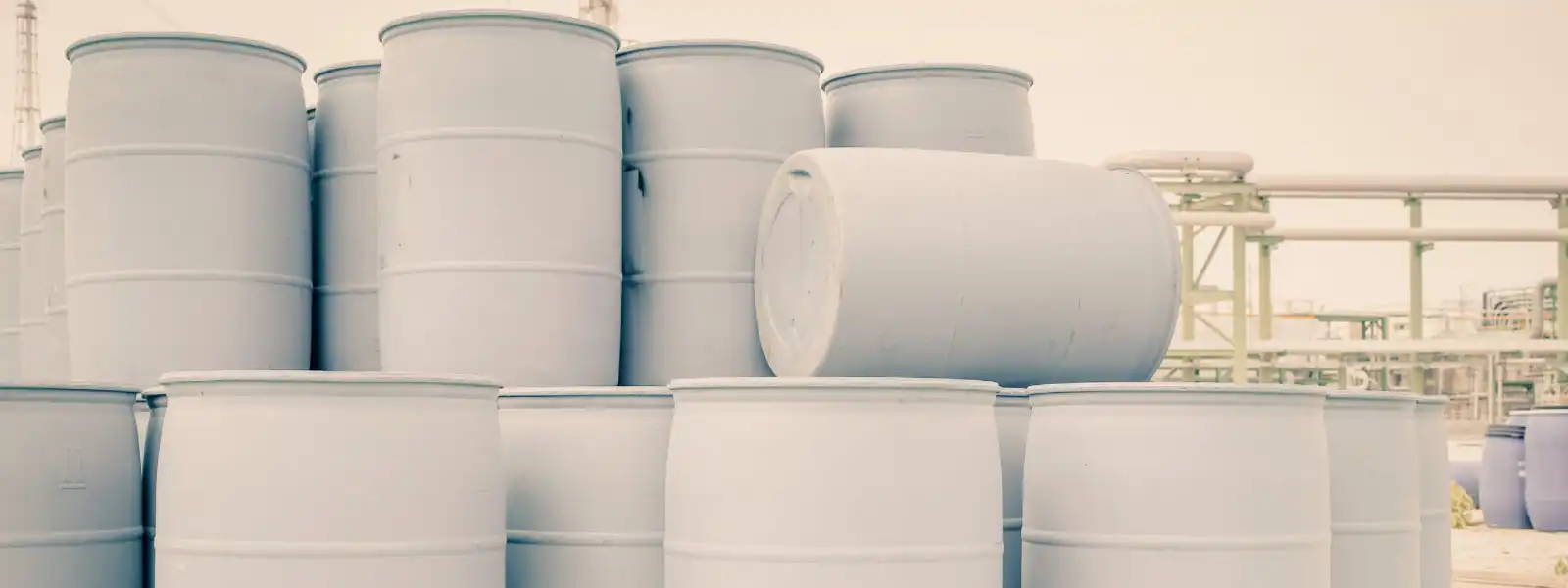
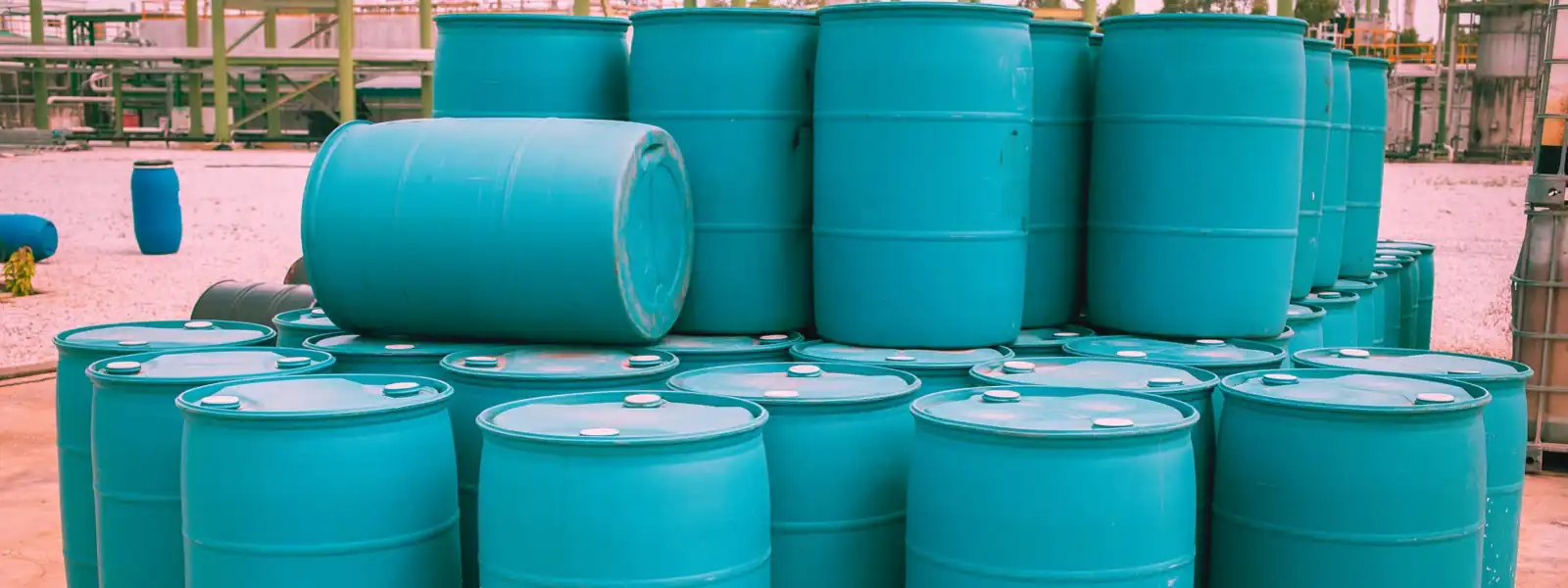
The purchasing of excess chemical cleaners by industrial businesses is a trend, and also a serious problem that needs to stop as soon as possible. Why? Research and test results have proven that excess, or the bulk purchasing of chemical by industrial organizations is one of the leading causes of chemical waste in the United States. Bulk chemical purchasing also leads to an increase in chemical spills and accidents, environmental contamination, and health risks associated to overexposure of chemical products. All of these named problems that result from the bulk purchasing of chemical solvents could lead to serious consequences – scenarios from which an industrial business might never recover. The consequences occurring from bulk purchasing is why organizations such as Ecolink are spreading the word to industrial businesses that alternative choices exist that no longer require companies in need of chemical solvents to purchase excess solutions.

The first scenario industrial organization need to look into is incorporating a recycling program that enables industrial facilities to capture and recycle for later use the chemical solvents that, for any of a number of reasons, are lost or not utilized during parts cleaning operations. Rather than chalking up lost chemical solvents as merely ‘that’s just the way it is,’ industrial companies need to do something about it, since it has become an occupational hazard due to all the risks associated with chemical waste. Installing a chemical recycling system is a direct solution to combating the problems of chemical waste, and the problems that arise from that waste. Recycling chemical waste also empowers industrial businesses with a solid way to save on money, as the company will not have to purchase nearly the amount of chemical solvents it used to before implementing a recycling program. Instead, you reuse the chemical solvents that would have otherwise been lost. So now, your industrial business is utilizing programs that make your workers and facilities, as well as the environment safer, and you are, at the same time, saving your business a lot of money.

Another way to reduce the amount of chemicals your industrial company is purchasing is to enter an accord, or contractual obligation with chemical suppliers that offer such a unique deal. With a contract in place, such as the one Ecolink offers to its customers, your business only needs to purchase the amount needed, because the supplier knows you are only purchasing chemical products directly from them. Suppliers that do not have a contract with a customer, or do not offer contracts, force customers to purchase in bulk, or in large quantities, in order to extract maximum revenue from the deal. This method is only opportune for the supplier, and not for the customer, because the customer ends up overspending for chemical solvents that will either sit on the shelf for so long it may expire, or will wind up being tossed out as chemical waste. The latter scenario can be disastrous, as this blog has already discussed.

Search here

Don’t forget to share this post!

Categories

Suggested Blog Posts

View all News
By Mark
Common Causes of Foaming in Industrial Water and Effective Control Methods
Jul 17 2026

Common Causes of Foaming in Industrial Water and Effective Control Methods

Excessive foam in industrial water systems disrupts operations, reduces treatment efficiency, causes overflow events, and creates worker safety hazards that cost...
By Mark
Key Benefits of Using an Aerosol Degreaser for Electronics
Jul 13 2026

Key Benefits of Using an Aerosol Degreaser for Electronics

Grease, flux residue, dust, and moisture accumulation on circuit boards and electrical contacts are among the leading causes of premature equipment failure in...
By Mark
What Is a Flux Remover: Benefits, Usage, and Appropriate Selection Guide
Jul 10 2026

What Is a Flux Remover: Benefits, Usage, and Appropriate Selection Guide

Flux residues left on printed circuit boards after soldering are one of the leading causes of premature electrical failures in electronics manufacturing. These...
By Mark
How Do Water-Based Cleaners Remove Grease from Industrial Metal Parts Safely
Jul 10 2026

How Do Water-Based Cleaners Remove Grease from Industrial Metal Parts Safely

Water-based cleaners remove grease from industrial metal parts safely by using surfactants, pH builders, emulsifiers, corrosion inhibitors, heat, and agitation to...
By Khatera Barati
Khatera Barati - Digital Marketing Content Intern
Jul 07 2026

From WordPress to SEO: My Ecolink Marketing Internship

Reflecting on My Marketing Internship at Ecolink As my internship with Ecolink comes to an end, I’ve had the opportunity to reflect on how much I’ve learned over the...
By Mark
Why Industrial Lubricants Are the Backbone of Modern Machinery
Jul 06 2026

Why Industrial Lubricants Are the Backbone of Modern Machinery

Improper lubrication causes 64% of bearing failures, making it the single greatest preventable cause of machinery breakdown across every industrial sector. That...
By Mark
What Is an Epoxy Paint Stripper and What Are Its Uses?
Jun 29 2026

What Is an Epoxy Paint Stripper and What Are Its Uses?

An epoxy paint stripper is a heavy-duty chemical solution used to soften, swell, and remove cured epoxy paint from surfaces where standard paint removers are...
By Mark
How Boiler Water Treatment Chemicals Prevent System Corrosion
Jun 25 2026

How Boiler Water Treatment Chemicals Prevent System Corrosion

Boiler water treatment chemicals prevent system corrosion by controlling the conditions that allow metal attack: dissolved oxygen, carbon dioxide, low pH, hardness...
By Mark
Types of Water Treatment Chemicals
Jun 22 2026

Types of Water Treatment Chemicals

Choosing the right water treatment chemicals starts with knowing what the water contains, what the system needs to protect, and what regulations apply. The main types...
By Mark
Industrial Lubricants: Types, Uses, and How They Work
Jun 19 2026

Industrial Lubricants: Types, Uses, and How They Work

Industrial lubricants reduce friction, control heat, protect parts, and help industrial machinery run reliably under demanding operating conditions. If you need to...
View all News