Ecolink, Inc.
Q
  1. Home
  2. Extraction
  3. Ethanol For Plant Extraction

Ethanol For Plant Extraction

Last updated:

Can you use ethanol for plant extraction? The answer is yes! Ethanol is a great option for extracting oil from plants. Ethanol for plant extraction is common in a variety of different oil extraction processes including CBD oil, CBDA, olive oil, seed oils, and more. There are a few reasons why ethanol for plant extraction is a great option. Most importantly ethanol is both highly effective and perfectly safe to use for plant extraction. Ethanol will retrieve a large amount of oil from the plant and then completely evaporate. This results in the maximum amount of product from your plant that is safe to use in both food grade and consumable goods.

Benefits of Using Ethanol For Plant Extraction

  • Safe – Ethanol is a safe option for plant extraction due to the fact that it leaves behind a safe to use, non-toxic oil product. For this reason ethanol is preferred by the FDA for food products. Ethanol can be safely used in plant extraction to produce cooking oils and oils for personal care and cosmetics.

  • Effective – Ethanol is widely used in oil extraction for its ability to extract a potent amount of oil. Ethanol is very effective in separating oils from the plant material, resulting in large extraction quantities.

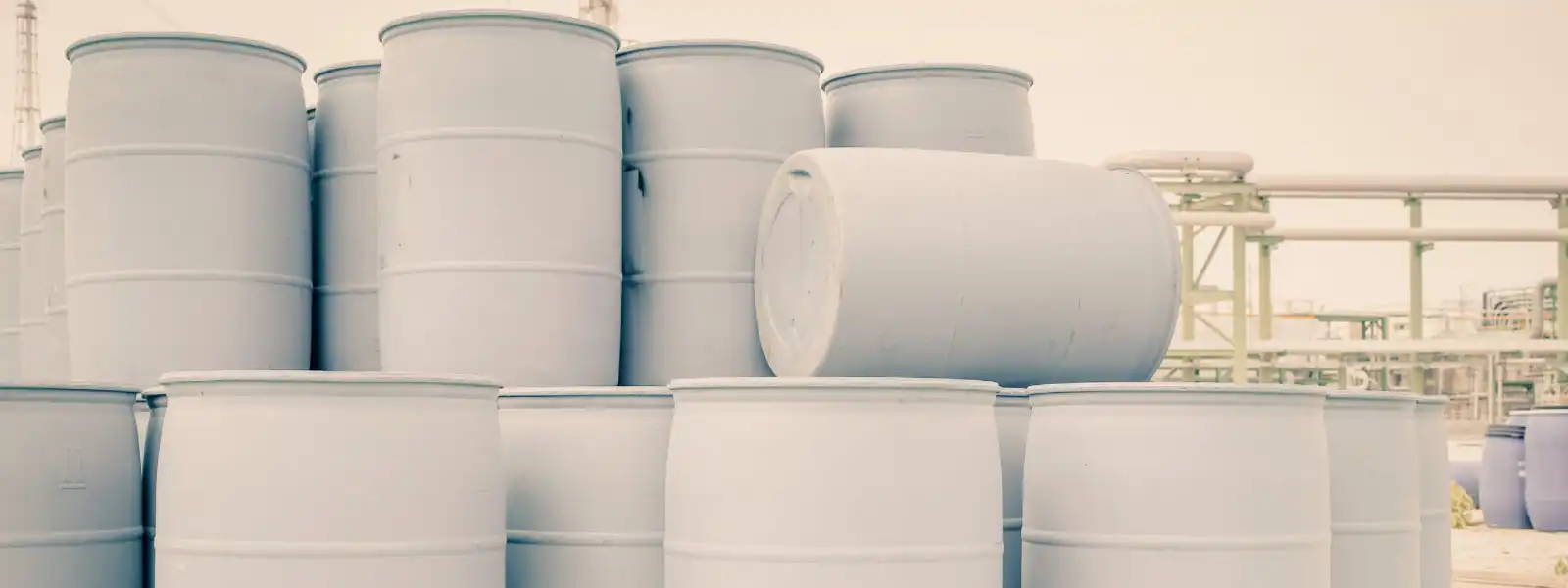
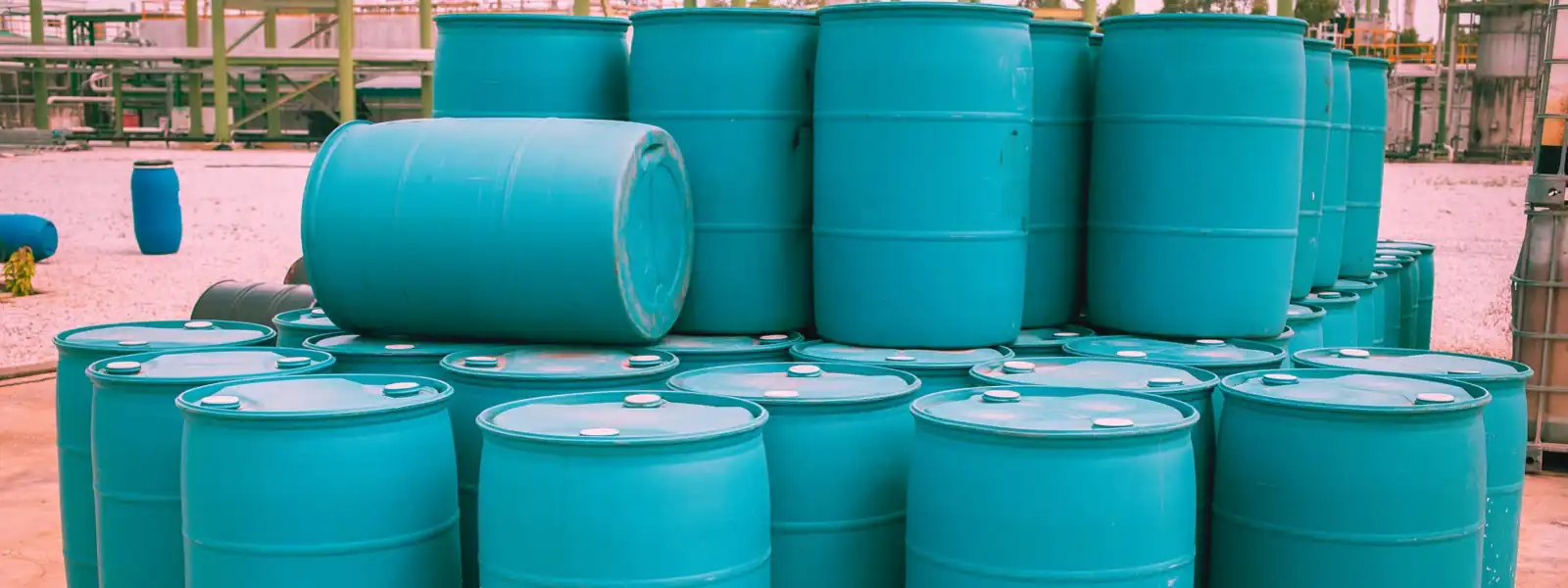
  • Bulk Availability – One major benefit of using ethanol for plant extraction is that it can be purchased in convenient bulk sizes. Ecolink offers Ethanol in 5  gallon buckets and 55 gallon drums to meet our needs. In addition to affordable bulk sizing and pricing, Ecolink also offers expert advice to ensure you find the best chemical or solvent for your needs.

Need To Find An Ethanol Supplier?

If you are looking for a reliable, responsible, and knowledgeable provider of high quality ethanol for plant extraction, contact Ecolink here! Ecolink is a trusted provider of bulk chemicals and solvents. Call today to speak to an expert!


Search here

Don’t forget to share this post!

Categories

Suggested Blog Posts

View all News
By Mark
Common Causes of Foaming in Industrial Water and Effective Control Methods
Jul 17 2026

Common Causes of Foaming in Industrial Water and Effective Control Methods

Excessive foam in industrial water systems disrupts operations, reduces treatment efficiency, causes overflow events, and creates worker safety hazards that cost...
By Mark
Key Benefits of Using an Aerosol Degreaser for Electronics
Jul 13 2026

Key Benefits of Using an Aerosol Degreaser for Electronics

Grease, flux residue, dust, and moisture accumulation on circuit boards and electrical contacts are among the leading causes of premature equipment failure in...
By Mark
What Is a Flux Remover: Benefits, Usage, and Appropriate Selection Guide
Jul 10 2026

What Is a Flux Remover: Benefits, Usage, and Appropriate Selection Guide

Flux residues left on printed circuit boards after soldering are one of the leading causes of premature electrical failures in electronics manufacturing. These...
By Mark
How Do Water-Based Cleaners Remove Grease from Industrial Metal Parts Safely
Jul 10 2026

How Do Water-Based Cleaners Remove Grease from Industrial Metal Parts Safely

Water-based cleaners remove grease from industrial metal parts safely by using surfactants, pH builders, emulsifiers, corrosion inhibitors, heat, and agitation to...
By Khatera Barati
Khatera Barati - Digital Marketing Content Intern
Jul 07 2026

From WordPress to SEO: My Ecolink Marketing Internship

Reflecting on My Marketing Internship at Ecolink As my internship with Ecolink comes to an end, I’ve had the opportunity to reflect on how much I’ve learned over the...
By Mark
Why Industrial Lubricants Are the Backbone of Modern Machinery
Jul 06 2026

Why Industrial Lubricants Are the Backbone of Modern Machinery

Improper lubrication causes 64% of bearing failures, making it the single greatest preventable cause of machinery breakdown across every industrial sector. That...
By Mark
What Is an Epoxy Paint Stripper and What Are Its Uses?
Jun 29 2026

What Is an Epoxy Paint Stripper and What Are Its Uses?

An epoxy paint stripper is a heavy-duty chemical solution used to soften, swell, and remove cured epoxy paint from surfaces where standard paint removers are...
By Mark
How Boiler Water Treatment Chemicals Prevent System Corrosion
Jun 25 2026

How Boiler Water Treatment Chemicals Prevent System Corrosion

Boiler water treatment chemicals prevent system corrosion by controlling the conditions that allow metal attack: dissolved oxygen, carbon dioxide, low pH, hardness...
By Mark
Types of Water Treatment Chemicals
Jun 22 2026

Types of Water Treatment Chemicals

Choosing the right water treatment chemicals starts with knowing what the water contains, what the system needs to protect, and what regulations apply. The main types...
By Mark
Industrial Lubricants: Types, Uses, and How They Work
Jun 19 2026

Industrial Lubricants: Types, Uses, and How They Work

Industrial lubricants reduce friction, control heat, protect parts, and help industrial machinery run reliably under demanding operating conditions. If you need to...
View all News