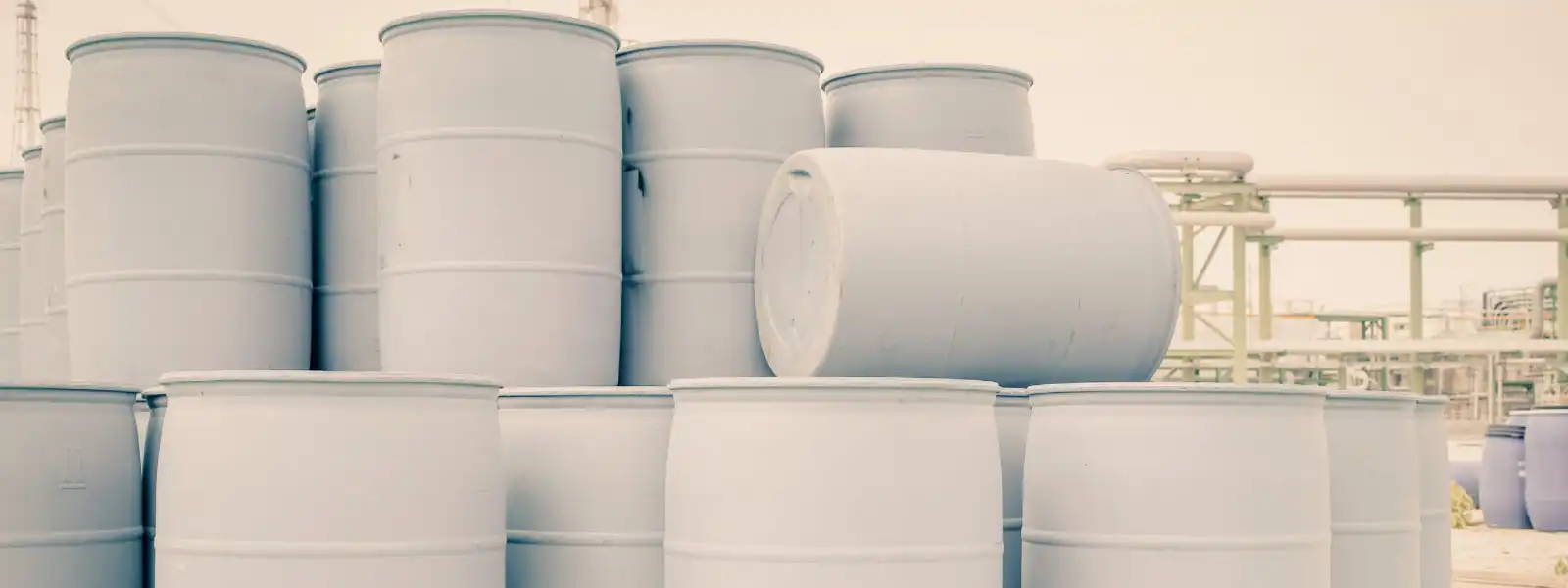
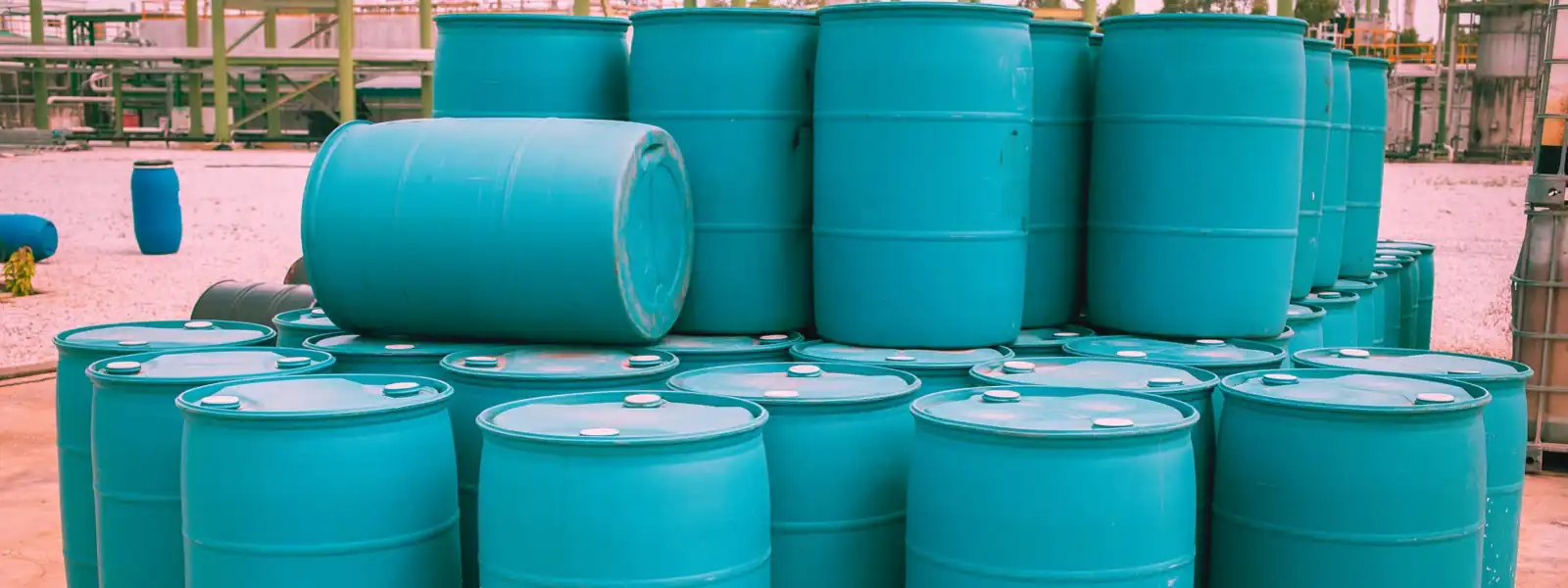
The first thing to understand about eliminating chemical waste is that it doesn’t require eliminating the use of chemicals. It may involve reducing chemical use, but the goal is to prevent chemical waste and the problems it creates for human safety, the environment, and the finances of companies that have industrial chemical needs.
Strategies for Chemical Waste Elimination
If your organization wants to eliminate chemicals from the waste trap, you may need to take more than one measure to achieve the goal (depending on the chemicals you use, in what form you use them, and to what extent). Below, we list six strategies that are helpful for any organization that’s focusing on eliminating chemical waste.
- Eliminate Chemicals if Possible
Could some tasks be performed with substances other than chemicals? For example, could cleaning of general surfaces be performed with a vinegar / water mixture instead of chemicals? If so, it’s a step you can take toward eliminating chemical waste.
- Use Biodegradable Chemicals
If avoiding chemicals isn’t an option, determine if any non-biodegradable chemicals you use can be replaced with biodegradable ones. Waste from the latter can safely biodegrade without harming the environment and — unlike many non-biodegradable chemicals — needn’t end up in a chemical landfill.
- Use Recyclable Chemicals
Recyclable chemicals eliminate chemical waste for as long as they are recycled. If you use a vapor degreaser in a parts washer that can recycle the solution, none of the product is wasted while it remains fit for use. Because most chemicals can’t be recycled forever, solvent recycling via parts washing systems is more of a waste mitigation strategy than a waste elimination technique.
- Use Highly Evaporative Cleaners
Highly evaporative cleaners can fill the air with Hazardous Air Pollutants (HAP) if they have a toxic formulation, but they essentially produce no liquid waste. Fast dry times are common among cleaners used for certain types of metal and electrical equipment. There’s also the option of ordering a custom cleaner formulated to have an exceptionally fast evaporation rate.
- Use Aerosol Cleaners
Aerosol cleaners tend to produce little if any waste due to their unique method of dispersal. With the press of a button, thousands of infinitesimal particles spread across the cleaning surface, and tend to evaporate quickly unless the object is highly saturated and left to drip dry. When aerosol cleaners can be used without saturating the cleaning surface, they largely eliminate chemical waste.
- Review Solvent Applications
In some cases, a chemical is overused — producing a significant amount of waste — simply because it isn’t a good fit with the application. Switching to a more efficacious solution may not eliminate chemical waste altogether, but it could result in a significantly lower volume of use.
About Our Company
Ecolink is a provider of environmentally safe and environmentally preferred industrial cleaners. Depending on how and why you use industrial chemicals, we may have solutions that can assist with eliminating chemical waste and the issues it poses. In addition to supplying stock solutions, we produce custom cleaners, and provide free test samples prior to purchase.
To see if we can help your organization with eliminating chemical waste, call us today at (800) 563-1305, or use our contact form, to schedule a free consultation. We look forward to learning about your requirements and seeing how we can help!
 Ecolink Team