Ecolink, Inc.
Q
  1. Home
  2. Recycling
  3. Does Your Company Practice Solvent Recovery?

Does Your Company Practice Solvent Recovery?

Last updated:

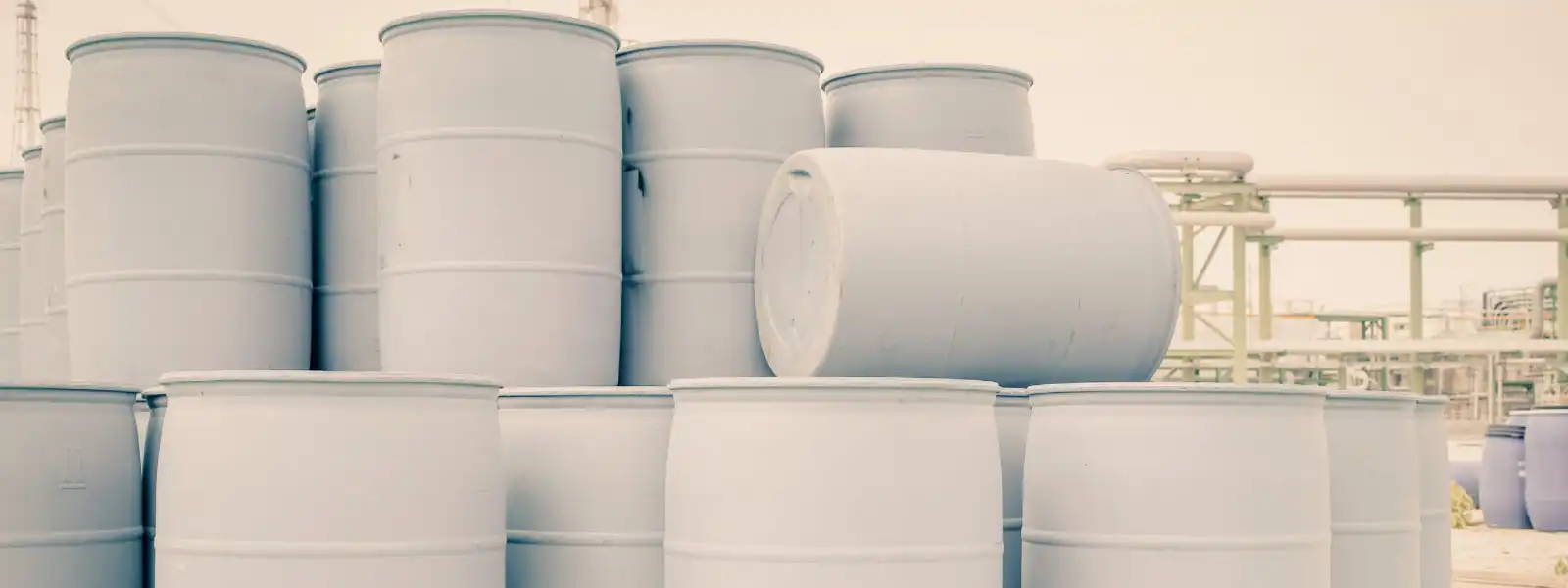
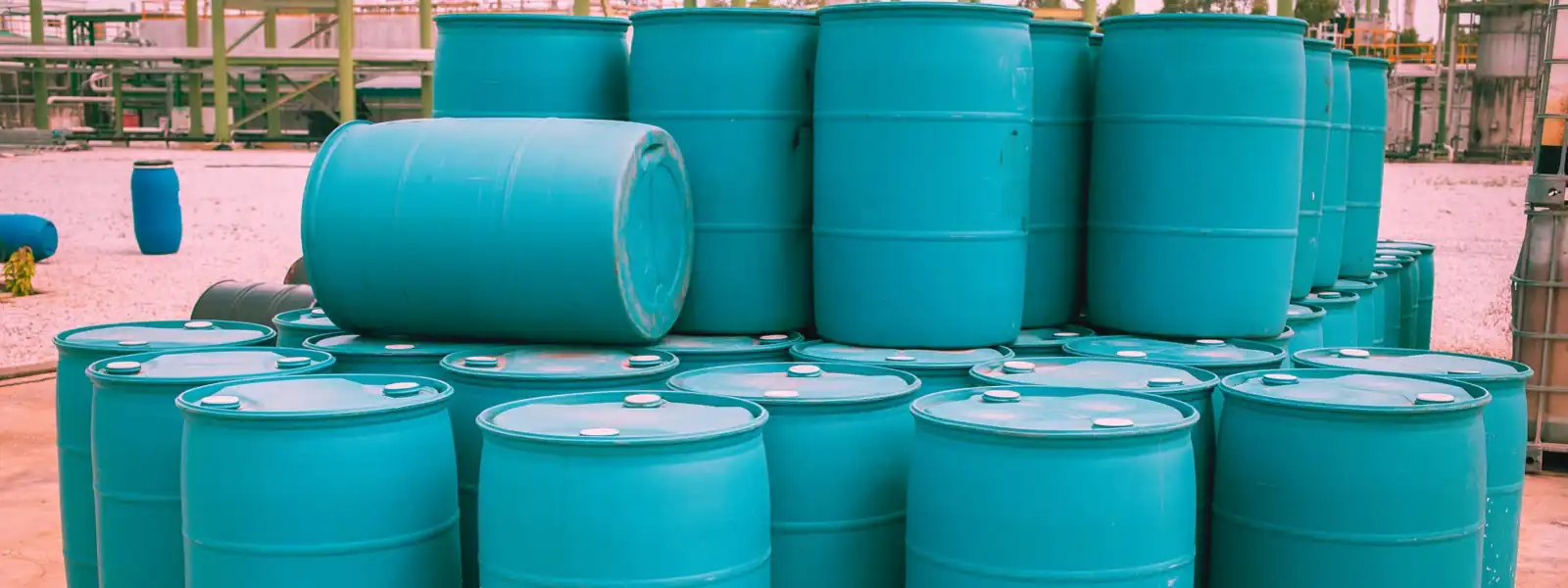
For many companies that use commercial grade and industrial grade solvents, one of the main complications of using them is deciding how to handle solvent recovery. When faced with this situation, many companies choose to have a third party perform the task. When you choose this option, you can receive several important benefits, particularly the ones listed below.

Decreased Disposal Cost
Creating a solvent recovery program in house, and acquiring the equipment needed to support the recovery effort, is often more expensive than simply hiring a solvent recovery specialist to perform the work. With a third party handling the waste recovery effort, you can spend more time on core business functions and delegate solvent disposal to the service provider.

Decreased Lab Waste Stream
If your company uses solvents for laboratory operations, recovering waste solvent from the them can pose a serious problem that a third party waste recovery provider can help to simplify. The provider will arrive on location to remove waste solvents, and then submit them to the solvent recycling process in order to decrease negative impacts on the environment.

Decreased Operations
If you don’t use the services of a solvent recovery company, you are left with the option of creating a recovery operation in house. If your company doesn’t specialize in solvent recovery, it makes the most sense to outsource the process to a company that specializes in performing it. This can prevent you from spending time on a discipline that is not a core practice.

Fewer Scheduling Problems
It is easier to have a solvent recovery specialist recover waste solvent on a scheduled basis than to task in house workers with performing the recovery effort, and forcing them to spend less time on core business functions. A recovery specialist will remove waste solvent on recurring basis, which gives you one less business process to spend time managing.

Decrease Accumulation and Storage
Having a third party perform waste removal on a scheduled basis helps your company decrease the accumulation and storage of waste solvent onsite. Because an accident that releases the waste into the environment could occur, it is important to have a solvent removal company minimize the accumulation and storage of waste solvent by frequently removing it from the work site.

Opportunity to Recycle
In addition to recovering waste solvent, many solvent recovery companies go a step further and recycle the solvent. Recycling a solvent can benefit the environment by reducing chemical emissions, carbon pollution, and energy consumption that commonly result from the process of creating new solvent solutions from scratch.

Contact Ecolink Today
Perhaps the best strategy for decreasing and simplifying solvent recovery is to use an eco friendly cleaning solution from Ecolink. Not only are our solutions good for the environment, but they help reduce chronic exposure to dangerous solvents that can cause neurological damage. For assistance choosing an eco friendly solution that meets the requirements of your current solvent, contact us today at (800) 563-1305, or fill out the contact form on our website.

Search here

Don’t forget to share this post!

Categories

Suggested Blog Posts

View all News
By Mark
Common Causes of Foaming in Industrial Water and Effective Control Methods
Jul 17 2026

Common Causes of Foaming in Industrial Water and Effective Control Methods

Excessive foam in industrial water systems disrupts operations, reduces treatment efficiency, causes overflow events, and creates worker safety hazards that cost...
By Mark
Key Benefits of Using an Aerosol Degreaser for Electronics
Jul 13 2026

Key Benefits of Using an Aerosol Degreaser for Electronics

Grease, flux residue, dust, and moisture accumulation on circuit boards and electrical contacts are among the leading causes of premature equipment failure in...
By Mark
What Is a Flux Remover: Benefits, Usage, and Appropriate Selection Guide
Jul 10 2026

What Is a Flux Remover: Benefits, Usage, and Appropriate Selection Guide

Flux residues left on printed circuit boards after soldering are one of the leading causes of premature electrical failures in electronics manufacturing. These...
By Mark
How Do Water-Based Cleaners Remove Grease from Industrial Metal Parts Safely
Jul 10 2026

How Do Water-Based Cleaners Remove Grease from Industrial Metal Parts Safely

Water-based cleaners remove grease from industrial metal parts safely by using surfactants, pH builders, emulsifiers, corrosion inhibitors, heat, and agitation to...
By Khatera Barati
Khatera Barati - Digital Marketing Content Intern
Jul 07 2026

From WordPress to SEO: My Ecolink Marketing Internship

Reflecting on My Marketing Internship at Ecolink As my internship with Ecolink comes to an end, I’ve had the opportunity to reflect on how much I’ve learned over the...
By Mark
Why Industrial Lubricants Are the Backbone of Modern Machinery
Jul 06 2026

Why Industrial Lubricants Are the Backbone of Modern Machinery

Improper lubrication causes 64% of bearing failures, making it the single greatest preventable cause of machinery breakdown across every industrial sector. That...
By Mark
What Is an Epoxy Paint Stripper and What Are Its Uses?
Jun 29 2026

What Is an Epoxy Paint Stripper and What Are Its Uses?

An epoxy paint stripper is a heavy-duty chemical solution used to soften, swell, and remove cured epoxy paint from surfaces where standard paint removers are...
By Mark
How Boiler Water Treatment Chemicals Prevent System Corrosion
Jun 25 2026

How Boiler Water Treatment Chemicals Prevent System Corrosion

Boiler water treatment chemicals prevent system corrosion by controlling the conditions that allow metal attack: dissolved oxygen, carbon dioxide, low pH, hardness...
By Mark
Types of Water Treatment Chemicals
Jun 22 2026

Types of Water Treatment Chemicals

Choosing the right water treatment chemicals starts with knowing what the water contains, what the system needs to protect, and what regulations apply. The main types...
By Mark
Industrial Lubricants: Types, Uses, and How They Work
Jun 19 2026

Industrial Lubricants: Types, Uses, and How They Work

Industrial lubricants reduce friction, control heat, protect parts, and help industrial machinery run reliably under demanding operating conditions. If you need to...
View all News