For heavy industrial aerosol users (over 5,000 cans per year) one of the growing concerns is disposing of spray cans commonly used for degreasing, contact cleaning and flux removal. Aerosol cans are not considered to be hazardous waste when both the product and the propellant are emptied (punctured) out of the cans. However, the non-empty cans are regarded as hazardous waste. It is a combustible substance, which has every chance of exploding when exposed to heat. It might end up hurting workers if discarded on empty landfill indiscriminately.
Proper disposal of spray cans and empty aerosols
Proper disposal regulations are defined and vary by state. If you are in a state that designates solvent sprayer and aerosol sprayers as universal waste than you might want to consider adopting sure shots as refillable options you pressurize with shop air. For example, California Health and Safety Code, Division 20, Article 9 Section 25201.16 reduces the regulatory and financial burden of managing hazardous waste aerosol cans by designating them as “universal waste.” This requires you to aerosol puncture and gives you the option to recycle spray (i.e. capture unused chemical and repackage into refillable sure shot, shur shots, atomizers). The limitation is you are trading cans 1 to 1 so still having to issue, refill and dispense, repeat.
Alternatives to aerosol can disposal systems and aerosol can crusher machines
Tired of aerosol propellant bleeding out when inverting cans (spraying sideways, upside down)? Working with a leading renewable energy supplier at a massive wind farm, we documented over 15% of the contents from their 30,000 cans per year equated to 5 x 55-gal drums per year of purchased but unused solvent for wind turbine maintenance. Hydrofluorocarbons ( HFC ) propellant in aerosol cans, is under attack for global warming potential (GWP) as part of proposed amendment to Montreal Protocol to phase down HFC’s.
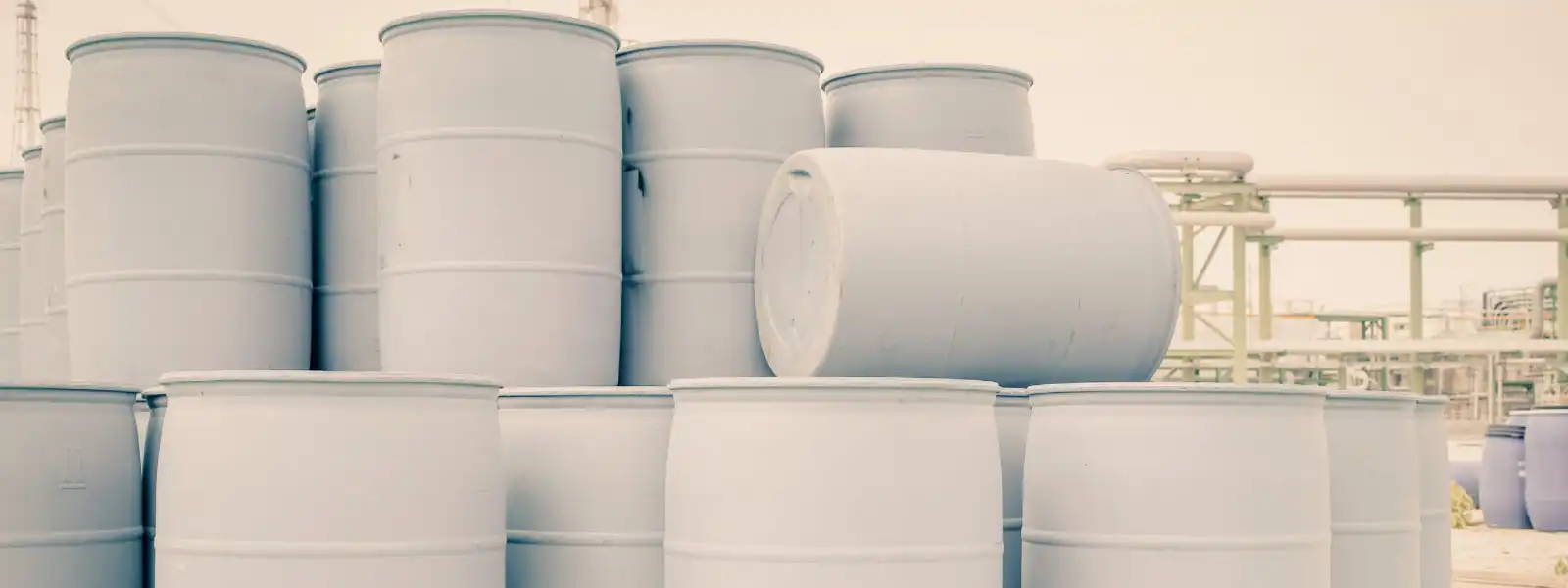
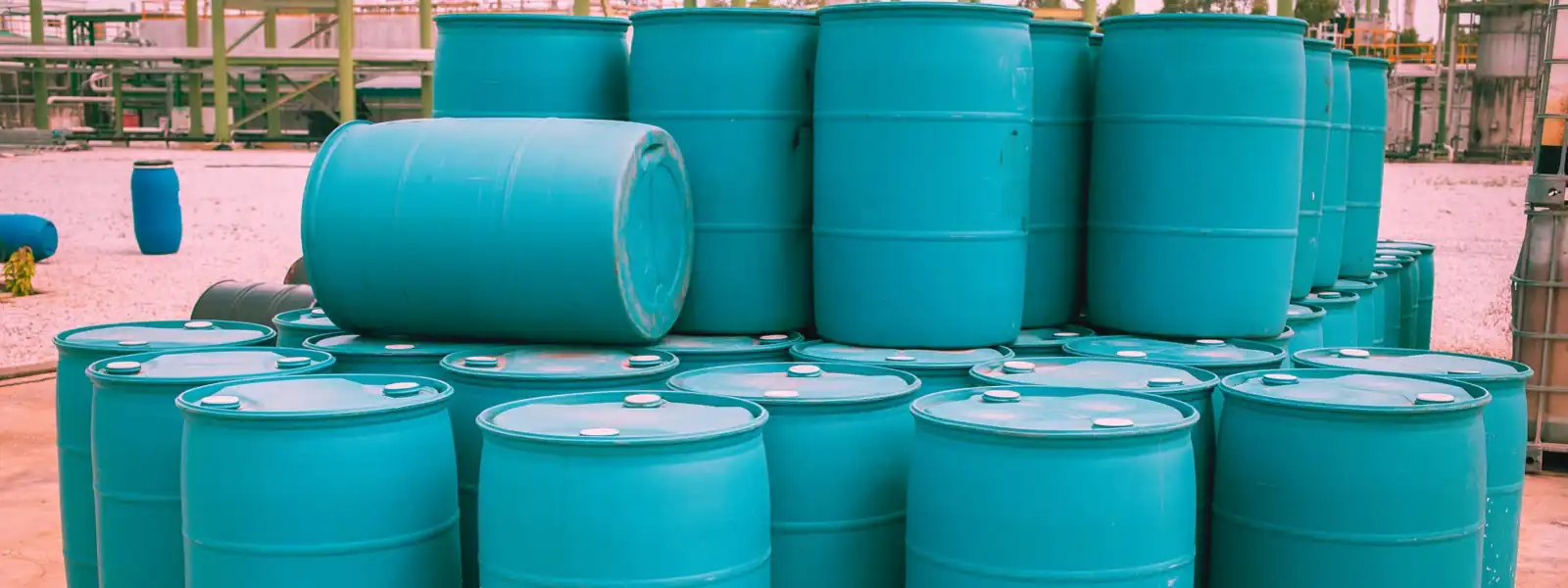
Due to the cost associated with aerosol propellants, unused chemical, labor associated with handling individual aerosol cans and end-of-life can puncturing and universal waste labeling the economics and environmental benefits of pressurized cylinders has tipped the scales in a very sustainable ways. Pressurized cylinders have served as the solvent spray delivery system of choice for decades with the plastic injection molds (nonflammable solvents) and furniture manufacturing (adhesives). Now these are making their way into power generation, mass transit, shipyards, mining and manufacturing. Available in 11 pound comparable to 12 aerosols (1 case) and 38 pound comparable to 36 aerosols (3 cases) are paired with numerous reusable spray nozzles to adjust spray pattern along with various reusable length hoses (6 feet up to 100 feet). Better yet, these are easily outfitted with portable caddy, dolly systems (similar to suitcases on wheels) for expanding service radius.
Are you a candidate for fewer, bigger and safer pressurized cylinders? We can show you how easy is it to cut your aerosol can disposal. You can keep or upgrade the chemical or solvent inside for additional health/safety/environmental and economic benefits.

Environmental/Health/Safety benefits:
- No frosted fingers or numbing with spray valve common with standard aerosols
- 1 cylinder versus 12-36 cans puncturing
- Easier to recycle scrap metal
- Portable to bring cleaner to dirty parts, equipment
- Extension hoses are safer especially with high heights
- Improved ergonomics (less inbound and outbound handling)
Economic benefits:
- 25-50% acquisition cost savings (price per ounce of usable content)
- 15-30% ‘extra’ savings from not bleeding out propellant and dumping unused solvent
- 10-25% cash-flow, inventory, floor space and compliance (emissions) reporting savings
Call David 800 563-1305 or email info@ecolink.com to discuss what’s available off-the-shelf, request a sample or collaborate on a custom blend, label.
Can today’s actions greatly impact tomorrow’s future? Universal waste disposal of aerosols is one of the easiest Earth Day resolutions you can make and keep for future generations.
 Ecolink Team