Essential Preparations for Storing Your IPA Bulk Order
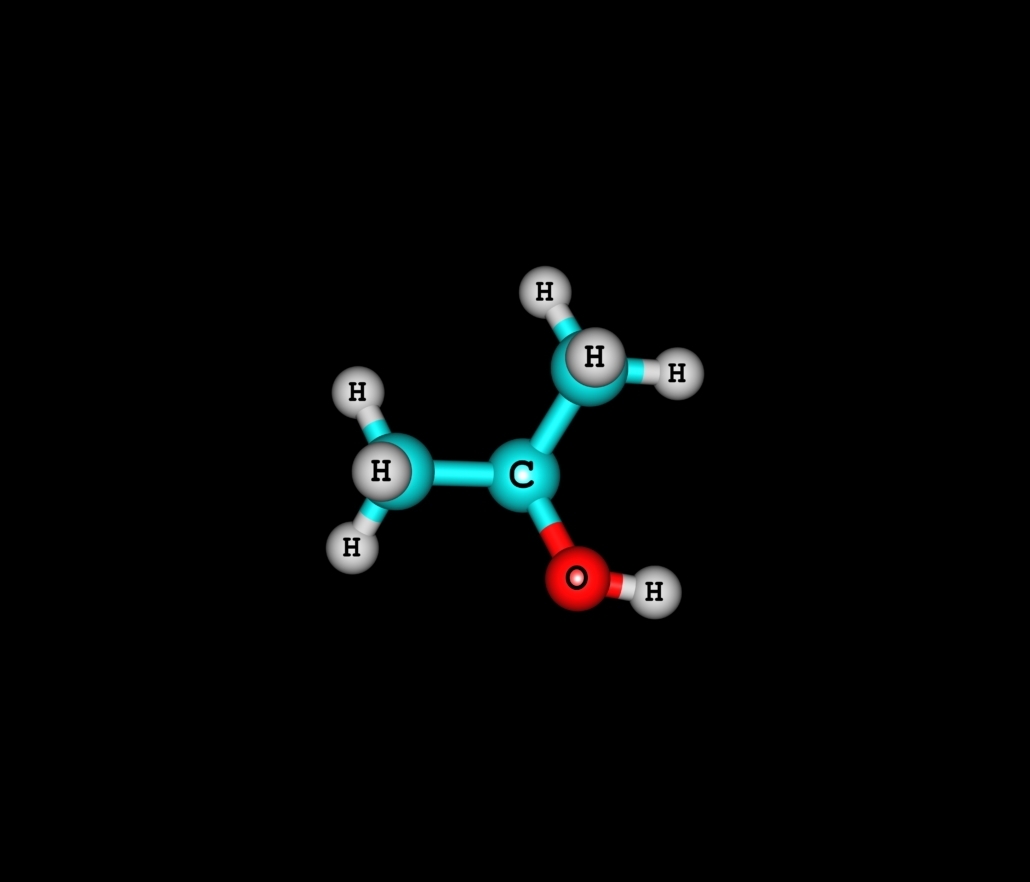
As a solvent, Isopropyl alcohol (IPA) is an excellent option for dissolving accumulations that are classified as non-polar compounds, such as carbon deposits. In addition to its efficacy for dissolving these substances, IPA is also prized for its fast evaporation rate, relatively non-toxic formulation compared to alternative solvents of its generation, and the fact that it leaves practically no oil traces that could residually collect on surfaces and draw dirt and grime.
However, along with IPA’s solvent benefits come some potential drawbacks. For one, IPA has a low flashpoint that can create a fire hazard. Also, the solvent emits an unpleasant odor that can cause temporary, negative health conditions, such as drowsiness and dizziness. A third potential drawback of using IPA is that repeated, high exposure to the liquid has been known to cause more serious health conditions, even death.
Storing Your IPA Bulk Order
Organizations that have industrial cleaning needs often place IPA bulk orders because IPA is so effective at dissolving soils produced in industrial work environments, and is thus used in large quantities over short periods of time. This leads us to the topic of how bulk orders of IPA should be stored in order to minimize potential drawbacks. By taking the following four preparations for storing your IPA bulk order, you can increase safety in the work environment.
- Check to See if Drums are Tightly Sealed
When your IPA bulk order arrives at the receiving dock, carefully check the seal on each drum to see if it is compromised. The drums should be in perfect condition when they are shipped, but there’s always a slight possibility that drums could be damaged during transit due to unexpected events in the freight compartment. Performing a visual inspection of the seal and checking the tightness of the seal gently with your hand should be sufficient.
- Store Drums in a Low Fire Hazard Area
Drums of IPA should ideally be stored in a low fire hazard area. The area should be free of materials that easily combust (e.g., cardboard, low-grade plastics, and wood). The area should also be free of obvious, potential catalysts for combustion (e.g., electrical switchgear, furnaces with pilot lights, and machinery that creates sparks). Storing IPA in this type of area will help prevent combustion and limit damage if combustion occurs.
- Perform an Odor Test After Storing Drums
As a final safety measure, check the seals on your drums again by performing an odor test. You can do this by using a handheld odor meter that’s designed to detect infinitesimal amounts of odor in industrial environments. However, because IPA has a fast evaporation rate, you may be able to detect odor that comes from an imperfect seal by using your nose.
Whether you use an odor meter or sense of smell, here’s a good way to perform the test: (a) Place the drums in the low fire hazard storage area; (b) if possible, close the door to the storage area for about 8 hours, (c) then return to the area to perform the test. If the drums are stored in a large area that would make vaporous emissions diffuse, using an odor detector near the seal of each drum is the best strategy.
Make Safe Storage a Priority
IPA is a highly efficacious, affordable solvent solution for removing a variety of soils that accumulate on surfaces in industrial environments. However, due to the solvent’s low flashpoint and odorous vapors that can cause health ailments, it’s a smart idea to make the preparations above when storing your IPA bulk order.
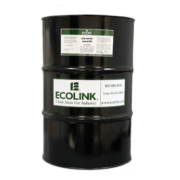
If you need a supplier for IPA bulk orders, contact Ecolink today by calling (800) 563-1305, or fill out the contact form on our website. We supply 99% IPA in 55 gallon drums and ensure that each drum is in excellent condition when shipped.