Ecolink, Inc.
Q
  1. Home
  2. Ecolink News
  3. Non-Methylene Chloride Paint Remover: Safe and Effective Stripping  

Non-Methylene Chloride Paint Remover: Safe and Effective Stripping  

Ecolink Green Icon
Ecolink Blue And Green Icon

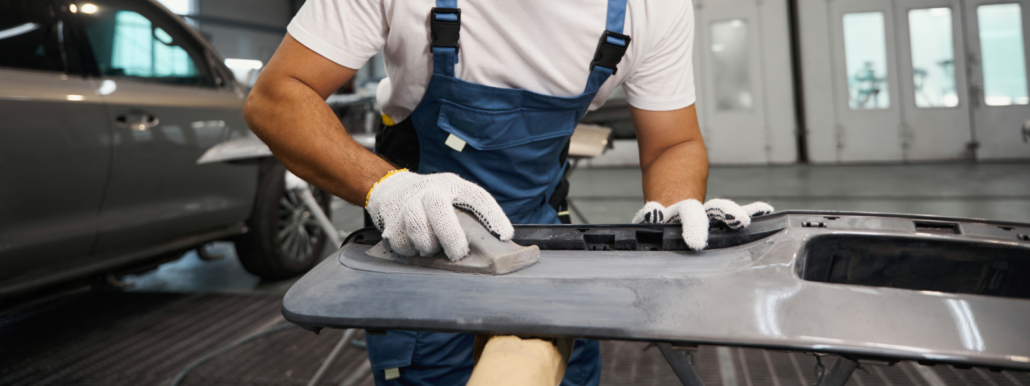
Methylene chloride was once one of the main components in most paint removers. However, ever since November 2019, a ban was put in place by the Environmental Protection Agency (EPA). The ban prohibited the manufacturing and importing of all methylene chloride paint strippers. This blog post will discuss the benefits of a non-methylene chloride paint remover.   

What are the benefits to a non methylene chloride paint remover?  

The main benefit of a non-methylene chloride paint remover is that it will not have hazardous effects on human health. Methylene chloride is a major health risk; even in small amounts. The main side effects that come along with exposure to methylene chloride are:  

  • Drowsiness  
  • Dizziness  
  • Numb/Tingly Limbs  
  • Nausea  
  • Cancer  
  • Loss of Consciousness  
  • Death  

What are the better options?  

Better options for paint removers that do not contain methylene chloride are:  

  • Acetone  
  • Glycol Ether  
  • Triethyl Phosphate  
  • Benzyl Alcohol  
  • Formic Acid  
  • N-Methyl-2-Pyrrolidone (NMP)  

Although these chemicals do have their hazards; most of them do not cause much harm as methylene chloride can. These chemicals are not perfectly safe, but they are the safer options.   

One example of a non-methylene chloride paint remover that has results comparable to those made from methylene chloride is sold by us here at Ecolink. This product is called SAFE STRIP.   

SAFE STRIP is an environmentally friendly paint solvent made mostly from NMP. NMP is known to cause reproductive harm in California; however, that is one of the only harms this chemical can cause. You can use SAFE STRIP like any other paint remover and effectively replace products containing methylene chloride and other chemicals. This product comes with several benefits: 

  • Biodegradable  
  • Non-flammable  
  • Low VOC emissions  
  • One-step coating removal  
  • A performance like MEK and methylene chloride  
  • Non-ozone depleting

Looking for more alternatives to methylene chloride?  

Ecolink is here to help your industry with this and more! We offer multiple safer alternatives to most hazardous solvents and cleaning products. These alternatives have been supplied to industries like yours for over thirty years and are of high quality. If you would like to browse through our products, then click here! If you need any help finding more information about one of our products, you can contact one of our expert chemists here. Our chemists will help answer any questions that you may have today! 

Search here

Don’t forget to share this post!

Categories

Suggested Blog Posts

View all News
By Mark
Best Practices for Applying Industrial Aerosol Degreasers Safely
Sep 10 2026

Best Practices for Applying Industrial Aerosol Degreasers Safely

Chemical exposure remains one of the leading causes of workplace injuries, chronic illness, and fatalities across industrial environments. OSHA reports that cleaning...
By Mark
Why HFE Solvents Are Preferred for Precision Industrial Cleaning
Sep 08 2026

Why HFE Solvents Are Preferred for Precision Industrial Cleaning

Hydrofluoroether solvents are favored for precision cleaning due to their combination of cleaning performance and safety, one that traditional solvents struggle to...
By Mark
How MIL-SPEC Cleaning Chemicals Support Aerospace Maintenance Standards
Sep 03 2026

How MIL-SPEC Cleaning Chemicals Support Aerospace Maintenance Standards

Aerospace maintenance depends on cleaning chemicals that perform predictably under extreme conditions without damaging sensitive materials, compromising safety, or...
By Mark
Signs It's Time to Switch to a Safer Industrial Degreaser
Sep 01 2026

Signs It’s Time to Switch to a Safer Industrial Degreaser

If your workers are reporting headaches after degreasing operations, your hazardous waste disposal costs keep climbing, or you've recently failed an environmental...
By Mark
Common Industries That Benefit from Aqueous Cleaners
Aug 19 2026

Common Industries That Benefit from Aqueous Cleaners

Industrial facilities across every sector face the same core challenge: removing oils, grease, machining fluids, and other contaminants from parts and surfaces without...
By Mark
When Should Chemical Protection PPE Be Replaced?
Aug 17 2026

When Should Chemical Protection PPE Be Replaced?

Chemical protection PPE must be replaced immediately when breakthrough time is exceeded, visible damage appears, or contamination cannot be removed, and on a scheduled...
By Mark
How Industrial Water Treatment Chemicals Improve Heat Transfer Efficiency
Aug 14 2026

How Industrial Water Treatment Chemicals Improve Heat Transfer Efficiency

Industrial water treatment chemicals improve heat transfer efficiency by preventing the insulating deposits, scale, corrosion products, and biofilm that accumulate on...
By Mark
How Often Should You Change Industrial Lubricants: A Comprehensive Maintenance Guide
Aug 12 2026

How Often Should You Change Industrial Lubricants: A Comprehensive Maintenance Guide

Industrial lubricant change intervals depend on your specific operating conditions, not a universal calendar date. General guidance varies by equipment: mineral gearbox...
By Mark
Common Solvent Cleaner Selection Mistakes in Manufacturing
Aug 10 2026

Common Solvent Cleaner Selection Mistakes in Manufacturing

Selecting the wrong solvent cleaner can lead to high costs through damaged parts, regulatory violations, unplanned downtime, and scrapped production runs. Yet it...
By Mark
How Flux Residues Affect Long-Term Circuit Board Reliability
Aug 07 2026

How Flux Residues Affect Long-Term Circuit Board Reliability

Every electronic device that leaves a production line carries a hidden variable that can determine whether it performs flawlessly for many years or fails...
View all News