
Ecolink, Inc.
Q
  1. Home
  2. MEK
  3. What is MEK? (Methyl Ethyl Ketone)

What is MEK? (Methyl Ethyl Ketone)

Last updated:

Methyl Ethyl Ketone is a liquid solvent that is found in adhesives, printing inks, and surface coatings. MEK cleaner contains lube oil dewaxing agents and is used as a medium to extract waxes, oils, fats, and resins. Its effectiveness has made it one of the most popular liquid solvent today.

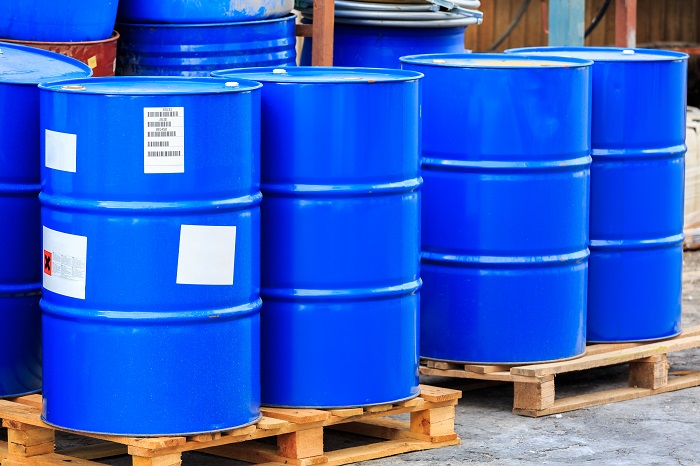
Already interested in purchasing MEK (Methyl Ethyl Ketone)? Shop Methyl Ethyl Ketone in 55 Gallon Drums or 5 Gallon Pails online with Ecolink’s expansive industrial chemical e-commerce catalog!


What can I use MEK for?

You can use MEK for thinning specific types of coatings such as adhesives, polyester, inks and epoxy resins. It is also effective when trying to clean dried adhesives such as lacquer and latex paints. If done properly, there will be no observable damage to the surface of what was cleaned. Make sure there is sufficient ventilation in the area where the MEK is being used.

Anything that cannot be cleaned with acetone will most likely be cleaned by MEK since it is stronger. Acetone is dimethyl ketone which is similar to, although weaker than, methyl ethyl ketone.


Where should I store MEK?

Ensure that the cap is on tightly and leave it in a dry, cool area. It should be far from any source of heat including direct sunlight. Store it in storage spaces where the temperature is below 120 degrees Fahrenheit. Proper storage will ensure that you will get at least six months of shelf life to clean surfaces with a MEK cleaner.


Looking to buy MEK?

Look no further than Ecolink! No matter your cleaning purpose, we can find an MEK solution or alternative to meet your needs. Call us today 800-563-1305, or shop MEK with us today!


Shop MEK 55 Gallon Drums or 5 Gallon Pails


Blog Updated on January 20th, 2026 at 3:37 PM CST – Changes reflect new updated e-commerce listing on the Ecolink site to purchase Methyl Ethyl Ketone in 55 gallon drums and 5 gallon pails.

Search here

Don’t forget to share this post!

Categories

Suggested Blog Posts

View all News
By Mark
What Is a Flux Remover: Benefits, Usage, and Appropriate Selection Guide
Jul 13 2026

What Is a Flux Remover: Benefits, Usage, and Appropriate Selection Guide

Flux residues left on printed circuit boards after soldering are one of the leading causes of premature electrical failures in electronics manufacturing. These...
By Mark
How Do Water-Based Cleaners Remove Grease from Industrial Metal Parts Safely
Jul 10 2026

How Do Water-Based Cleaners Remove Grease from Industrial Metal Parts Safely

Water-based cleaners remove grease from industrial metal parts safely by using surfactants, pH builders, emulsifiers, corrosion inhibitors, heat, and agitation to...
By Khatera Barati
Khatera Barati - Digital Marketing Content Intern
Jul 07 2026

From WordPress to SEO: My Ecolink Marketing Internship

Reflecting on My Marketing Internship at Ecolink As my internship with Ecolink comes to an end, I’ve had the opportunity to reflect on how much I’ve learned over the...
By Mark
Why Industrial Lubricants Are the Backbone of Modern Machinery
Jul 06 2026

Why Industrial Lubricants Are the Backbone of Modern Machinery

Improper lubrication causes 64% of bearing failures, making it the single greatest preventable cause of machinery breakdown across every industrial sector. That...
By Mark
What Is an Epoxy Paint Stripper and What Are Its Uses?
Jun 29 2026

What Is an Epoxy Paint Stripper and What Are Its Uses?

An epoxy paint stripper is a heavy-duty chemical solution used to soften, swell, and remove cured epoxy paint from surfaces where standard paint removers are...
By Mark
How Boiler Water Treatment Chemicals Prevent System Corrosion
Jun 25 2026

How Boiler Water Treatment Chemicals Prevent System Corrosion

Boiler water treatment chemicals prevent system corrosion by controlling the conditions that allow metal attack: dissolved oxygen, carbon dioxide, low pH, hardness...
By Mark
Types of Water Treatment Chemicals
Jun 22 2026

Types of Water Treatment Chemicals

Choosing the right water treatment chemicals starts with knowing what the water contains, what the system needs to protect, and what regulations apply. The main types...
By Mark
Industrial Lubricants: Types, Uses, and How They Work
Jun 19 2026

Industrial Lubricants: Types, Uses, and How They Work

Industrial lubricants reduce friction, control heat, protect parts, and help industrial machinery run reliably under demanding operating conditions. If you need to...
By Mark
Industrial Degreaser: How to Keep Machinery Clean and Performing Efficiently
Jun 15 2026

Industrial Degreaser: How to Keep Machinery Clean and Performing Efficiently

Contaminated machinery runs hotter, wears faster, wastes energy, and fails sooner. The right industrial degreaser removes grease, oil, grime, carbon deposits, and...
By Tomas Fernandez
Image of Latin America Region "LATAM Chemical Trends 2026"
Apr 16 2026

Latin America Chemical Trends 2026

A Strait 29 Nautical Miles Wide Is Reshaping Chemical Supply Chains Across Latin America. Here's What You Need to Know The Strait of Hormuz doesn't appear on most...
View all News