
Spray Solvents: Curbing The Dangers of Exposure
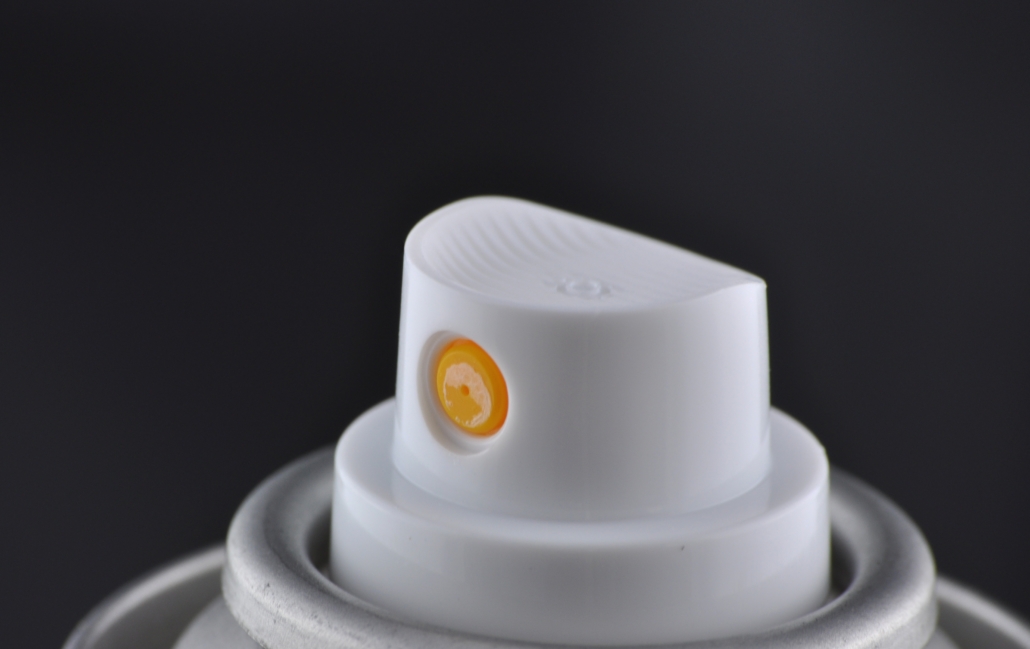
Spray solvents are used to dissolve another substance and come in several forms including the common aerosol can. Organic cleaners, in particular, pose significant danger to the environment and overall health when released into the air. The danger is less if the chemical will only be released for a short period of time in a well ventilated area. Extended or significant use increases the risk of solvent exposure with small enclosed spaces having the most potential for danger. In order for spray solvents to be less harmful their usage needs to be controlled by:
- Using the Right Equipment
- Having Proper Ventilation
- Segregating the Work Area
- Wearing Protective Gear
- Using Less Toxic, Environmentally Safe Choices
If you are using the wrong equipment then the risk of inhalation or skin exposure to certain spray solvents is high. For example, conventional spraying with compressed air for painting creates excessive overspray, which in turn puts a mist in the air capable of traveling for an extended distance.
Ventilation is equally important because lack of clean air increases the concentration of the compounds evaporating into the surrounding environment. Mechanical ventilation is sometimes needed to properly ventilate work areas and prevent harm. When using spray solvents, it is also important to segregate the work area by keeping people at a distance who do not need to be exposed. Finally, respirators or other breathing apparatuses are sometimes necessary for extreme exposure scenarios to ensure breathed air is not contaminated. There is another option: choose a solvent or alternative that is less toxic and safer for the environment.
What Qualities Are Important for Safer Handling?
Every spray solvent has specific risks when inhaled, entering the eyes, and in other scenarios. There is no completely safe chemical making it important to read labels and follow any stated precautions. Environmentally friendly choices offer a reliable replacement to banned solvents like CFC (chlorofluorocarbon). The best spray solvents for improved safety have these important usage benefits:
- Non-flammable
- Fully Evaporative
- No CFC’s
- Leaves No Residue
- Non-Toxic
- Little to No Odor
- Fast Drying Time
- No Hazardous Air Pollutants (HAPs)
- Meets Environmental Standards
Depending on the application, you may not be able to obtain each of these qualities, but even a non-toxic, non-flammable choice is safer. Spray solvents with little to no VOCs (Volatile Organic Compounds) and HAPs ensure that minimal harm is present as the solvent is released into the air during use. These pose specific harm to the environment and consistent exposure is dangerous. The type of application will also contribute to what environmentally friendly options are available as an alternative.
Spray solvent providers formulate their products based on the application, strength, etc. and some will only be suited for certain tasks such as electrical cleaning. At Ecolink, we have formulated many alternative spray solvents for safer handling and reduced environmental harm. They do not contain CFC’s, are non-flammable, have faster drying times, and are less toxic than their traditional counterparts. We are also able to blend a unique formula based on your needs to achieve coating or cleaning objectives in a safer, environmentally conscious manner. Contact us today to learn more.

