
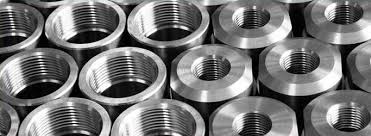
Selecting Metal Cleaning Solutions in 6 Steps
For many companies and organizations, using metal cleaning solutions is an inevitable part of supporting industrial work processes. However, while there may be plenty of metal cleaning solutions to choose from, choosing the right ones for your applications requires some important considerations. Below are six considerations that can help you choose metal cleaning solutions that are right for the metal you must clean and the kinds of soils you need to remove.
- Type of Metal
Most important of all is selecting a cleaning solution whose formulation will clean the metal without degrading its surface quality. The appearance of the metal you’re cleaning may not be overly important. But it’s crucial to note that what are considered blemishes are often the beginning of corrosion that can progress until it weakens the dimensional stability of parts.
- Type of Soils
Once you’ve clearly identified the metal (i.e. the grade of stainless steel), you can target metal cleaning solutions specifically formulated for removing certain soils from your metal. This is typically the easiest step. You match information about the metal with information about the soils to generate a list of cleaner options that will be further refined by the four steps below.
- Machine or Manual Washing?
If you clean metal parts in a parts washing system, step three is choosing cleaners that are compatible with your parts washer concerning the type of cleaning process it performs (e.g., vapor degreasing) and the material construction of the washing chamber.
Also, if you use a machine, and the washer has a value-added benefit such as solvent recycling, you may wish to choose a cleaner that lets you take advantage of the special feature.
- Geometry of Parts
If you use a parts washer, the geometry of your parts shouldn’t be of much concern. The washer is presumably designed to clean parts whose geometries range from simple to complex.
However, if parts are cleaned manually using wipes, aerosol, spray, etc., it’s important to choose a cleaner whose formulation and method of application support soil removal. Speaking with one of our chemists can be of great help for choosing a cleaner under these considerations.
- Stock or Custom Cleaner?
You shouldn’t have trouble finding a solvent that offers the basic performance properties you need (e.g., good efficacy, non-residue, highly evaporative, low flashpoint, etc.), but it isn’t uncommon to experience a special need that eliminates stock solvents from your range of options (e.g., concurrently removing multiple soils not often found in unison).
In this situation, ordering a custom solvent is the best option. In case you end up needing the option, it’s a good idea to start out shopping for cleaners at suppliers that offer it.
- EPA Regulations
Some metal cleaning solutions available today may not be available in the near future due to toxic ingredients the Environmental Protection Agency (EPA) is scheduled to regulate or ban. Using these cleaners is essentially living on borrowed time. Visit the EPA to learn about chemicals that are scheduled for regulation under the Toxic Substances Control Act (TSCA).
About Ecolink
Ecolink is a supplier of environmentally preferred, industrial grade solvents, including a wide selection of cleaners for metals. Providing readymade and custom solutions to companies and organizations of various sizes, in numerous industries, we make it easy to know you’re getting the right cleaners by supplying product samples you can try for free, with no obligations.
For more information, call us today at 800-563-1305, or send us an email using our contact form. We’d love to talk!

