
Ecolink, Inc.
Q
  1. Home
  2. Rust Removal
  3. Rust Removing Solvents: Benefits of Rust Rip from Ecolink

Rust Removing Solvents: Benefits of Rust Rip from Ecolink

Last updated:

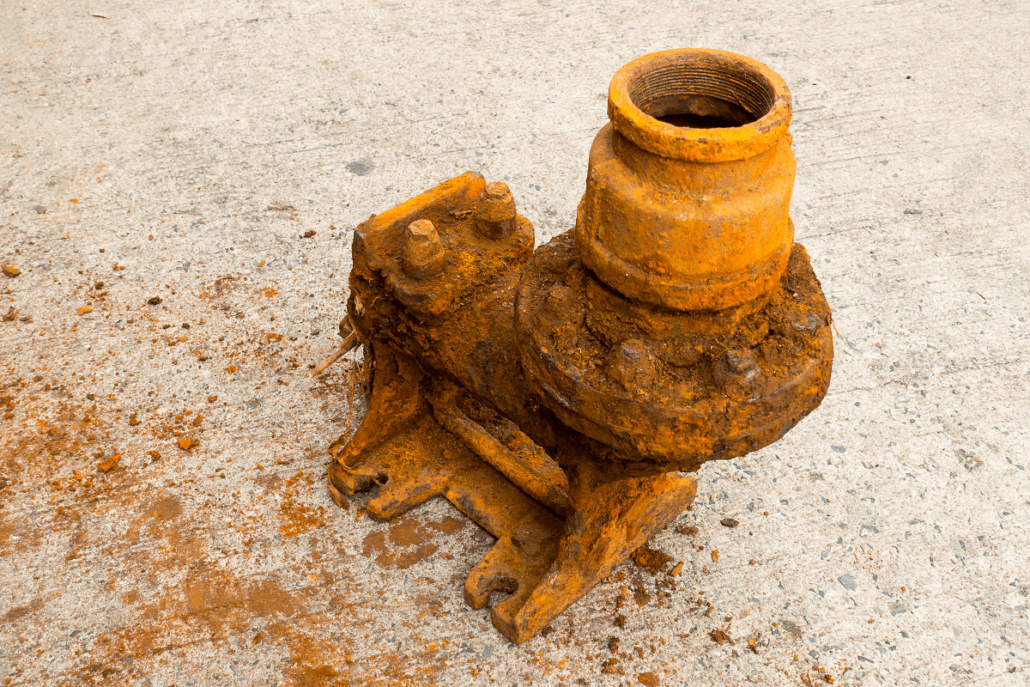
Rust is a common sight on industrial equipment and parts, but it doesn’t have to be. Just because metal rusts doesn’t mean it has weak dimensional stability. However, if rusting progresses unchecked, it will eventually devour the metal it affects, literally turning it into a pile of rust over the course of months or years.

Companies and organizations can prevent rust by applying Rust Rip rust remover and phosphatizer to surface accumulations of rust before they progress deep into the metal. Rust Rip is one of the best rust removing solvents for industrial users. Below are four reasons why.

  1. Compatible With Ferrous / Non-Ferrous Metals

Some industrial rust removing solvents are formulated for ferrous metals, others are created for non-ferrous metals, and still others are designed to remove rust from both types of metal. Rust Rip belongs in the third category of industrial rust removing solvents; it removes rust from ferrous and non-ferrous metals equally well, with no unexpected surprises in store.

  1. Non-Flammable

Non-flammability is always considered a positive trait of an industrial solvent. But the true value of a non-flammable formulation depends on the work environment where the solvent is applied. If you need to apply or store rust removing solvents in areas that have sources of ignition, Rust Rip lets you do it without jeopardizing the fire safety of workers and the building itself.

  1. Promotes Paint Bonding

As stated on Rust Rip’s product page, “[Rust Rip] destroys the corrosive agents that support oxidation and leaves a clean, rust-free, metal surface… [creating] minute inert elements that become an integral part of the metal surface, without changing tolerances, and prevent further rusting.”

Known as phosphatizing, this process creates a surface that’s perfect for paint bonding. Coating equipment and parts in paint that thwarts rust development is an excellent rust protection measure — a measure made possible by properly applying Rust Rip.

  1. Preserves Functionality of Metal

Rust negatively affects practically any characteristic you would desire in metal, including ductility that provides flexibility, hardness that delivers strength, and softness that makes metal easy to form into parts with a machine.

Keeping metal rust-free with Rust Rip makes it easier for metal to retain the properties required to supply it with these metallurgical characteristics and others. Rust has no place in industrial metallurgy. Rust Rip helps ensure that rust stays away.

Place Your Order Today

If you’re shopping for environmentally preferred rust removing solvents that treat ferrous and non-ferrous metals, are non-flammable, promote paint bonding via phosphatization, and help preserve the functionality of metal, Rust Rip is a good match for your needs.

If you have additional requirements that Rust Rip doesn’t address, we can create a custom solvent that is tailored to your needs. To see how one of our solvents works before you order, simply request a free sample — no strings attached.

Place your order for Rust Rip today through our website, call us at 800-563-1305, or send us an email using our contact form. Use Rust Rip to banish rust and prevent further rusting!


Search here

Don’t forget to share this post!

Categories

Suggested Blog Posts

View all News
By Mark
Common Causes of Foaming in Industrial Water and Effective Control Methods
Jul 17 2026

Common Causes of Foaming in Industrial Water and Effective Control Methods

Excessive foam in industrial water systems disrupts operations, reduces treatment efficiency, causes overflow events, and creates worker safety hazards that cost...
By Mark
Key Benefits of Using an Aerosol Degreaser for Electronics
Jul 13 2026

Key Benefits of Using an Aerosol Degreaser for Electronics

Grease, flux residue, dust, and moisture accumulation on circuit boards and electrical contacts are among the leading causes of premature equipment failure in...
By Mark
What Is a Flux Remover: Benefits, Usage, and Appropriate Selection Guide
Jul 10 2026

What Is a Flux Remover: Benefits, Usage, and Appropriate Selection Guide

Flux residues left on printed circuit boards after soldering are one of the leading causes of premature electrical failures in electronics manufacturing. These...
By Mark
How Do Water-Based Cleaners Remove Grease from Industrial Metal Parts Safely
Jul 10 2026

How Do Water-Based Cleaners Remove Grease from Industrial Metal Parts Safely

Water-based cleaners remove grease from industrial metal parts safely by using surfactants, pH builders, emulsifiers, corrosion inhibitors, heat, and agitation to...
By Khatera Barati
Khatera Barati - Digital Marketing Content Intern
Jul 07 2026

From WordPress to SEO: My Ecolink Marketing Internship

Reflecting on My Marketing Internship at Ecolink As my internship with Ecolink comes to an end, I’ve had the opportunity to reflect on how much I’ve learned over the...
By Mark
Why Industrial Lubricants Are the Backbone of Modern Machinery
Jul 06 2026

Why Industrial Lubricants Are the Backbone of Modern Machinery

Improper lubrication causes 64% of bearing failures, making it the single greatest preventable cause of machinery breakdown across every industrial sector. That...
By Mark
What Is an Epoxy Paint Stripper and What Are Its Uses?
Jun 29 2026

What Is an Epoxy Paint Stripper and What Are Its Uses?

An epoxy paint stripper is a heavy-duty chemical solution used to soften, swell, and remove cured epoxy paint from surfaces where standard paint removers are...
By Mark
How Boiler Water Treatment Chemicals Prevent System Corrosion
Jun 25 2026

How Boiler Water Treatment Chemicals Prevent System Corrosion

Boiler water treatment chemicals prevent system corrosion by controlling the conditions that allow metal attack: dissolved oxygen, carbon dioxide, low pH, hardness...
By Mark
Types of Water Treatment Chemicals
Jun 22 2026

Types of Water Treatment Chemicals

Choosing the right water treatment chemicals starts with knowing what the water contains, what the system needs to protect, and what regulations apply. The main types...
By Mark
Industrial Lubricants: Types, Uses, and How They Work
Jun 19 2026

Industrial Lubricants: Types, Uses, and How They Work

Industrial lubricants reduce friction, control heat, protect parts, and help industrial machinery run reliably under demanding operating conditions. If you need to...
View all News