
Ecolink, Inc.
Q
  1. Home
  2. Ecolink News
  3. Industrial Cooling Water Systems: Overview and Applications  

Industrial Cooling Water Systems: Overview and Applications  

Last updated:

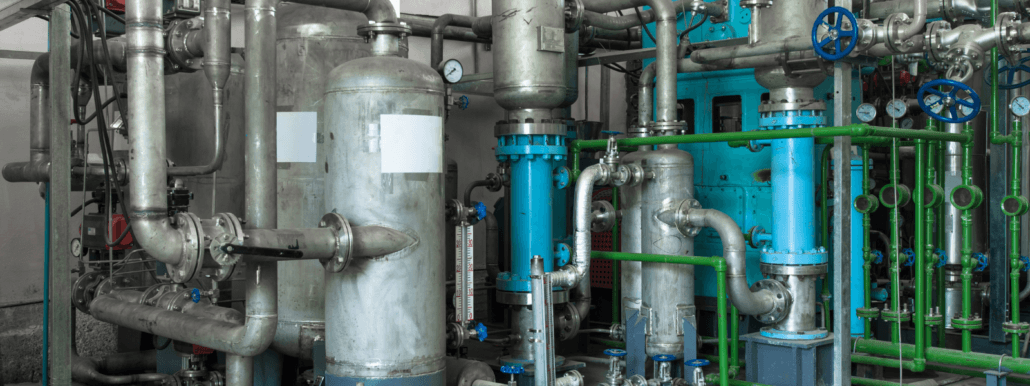
An industrial cooling water system is a cost-effective way to remove heat from processes and process equipment. Implementing a cooling system into a process or on equipment is beneficial for a variety of reasons, such as preventing damage to industrial equipment. However, there is much more to these complex cooling systems than this. In this blog, we will go over how these systems operate and how your industry can utilize them.   

How do cooling water systems work?  

Cooling systems operate under the principles of heat transfer. Specifically for cooling water systems, the heat transfer principles that are in play are the transfer of heat from one medium to a process fluid. The process fluid in this case is water, which is known to be one of the most cost-effective and the most efficient cooling fluids. The cooling water can be delivered at a colder temperature, meaning that it causes a decrease in temperatures.   

Applications for cooling water systems  

Cooling systems are widely used in manufacturing industries. Having a cooling system in place as part of the manufacturing procedure is essential. Some of the manufacturing industries that commonly use cooling water systems are the following:  

  • Machine Building  
  • Food and Beverage  
  • Chemical and Petrochemical  
  • Welding and Cutting  
  • Medical  
  • Pharmaceutical   
  • Printing  
  • Plastics  
  • Automotive  
  • Oil   
  • Gas  

Cooling water systems are the safest option for a cooling system within these industries. This is because water is not a toxic fluid which is especially important for industries such as the food and beverage industry and the pharmaceutical industry.   

Common problems with cooling water systems  

Although cooling water systems are known to be the most effective form of cooling systems, they are not perfect. There are some common problems among all cooling water systems that can lead to a decrease in their efficiency if left untreated. Some of these problems include:  

  • Corrosion  
  • Scale  
  • Fouling  
  • Biological Contamination  

Luckily, there are ways to prevent these problems from occurring in the first place by simply using water treatment chemicals and proper maintenance procedures.   

Need more information on maintaining cooling water systems?  

Then look no further than us here at Ecolink! Our dedicated and experienced chemical-providing company has been dedicated to supplying industries like yours with high-quality chemical solutions for over thirty years. If you would like to see the products that we have to offer, you can do so here. Do not hesitate to contact us we are here to help you with all of your chemical needs today! 

Search here

Don’t forget to share this post!

Categories

Suggested Blog Posts

View all News
By Mark
Common Causes of Foaming in Industrial Water and Effective Control Methods
Jul 17 2026

Common Causes of Foaming in Industrial Water and Effective Control Methods

Excessive foam in industrial water systems disrupts operations, reduces treatment efficiency, causes overflow events, and creates worker safety hazards that cost...
By Mark
Key Benefits of Using an Aerosol Degreaser for Electronics
Jul 13 2026

Key Benefits of Using an Aerosol Degreaser for Electronics

Grease, flux residue, dust, and moisture accumulation on circuit boards and electrical contacts are among the leading causes of premature equipment failure in...
By Mark
What Is a Flux Remover: Benefits, Usage, and Appropriate Selection Guide
Jul 10 2026

What Is a Flux Remover: Benefits, Usage, and Appropriate Selection Guide

Flux residues left on printed circuit boards after soldering are one of the leading causes of premature electrical failures in electronics manufacturing. These...
By Mark
How Do Water-Based Cleaners Remove Grease from Industrial Metal Parts Safely
Jul 10 2026

How Do Water-Based Cleaners Remove Grease from Industrial Metal Parts Safely

Water-based cleaners remove grease from industrial metal parts safely by using surfactants, pH builders, emulsifiers, corrosion inhibitors, heat, and agitation to...
By Khatera Barati
Khatera Barati - Digital Marketing Content Intern
Jul 07 2026

From WordPress to SEO: My Ecolink Marketing Internship

Reflecting on My Marketing Internship at Ecolink As my internship with Ecolink comes to an end, I’ve had the opportunity to reflect on how much I’ve learned over the...
By Mark
Why Industrial Lubricants Are the Backbone of Modern Machinery
Jul 06 2026

Why Industrial Lubricants Are the Backbone of Modern Machinery

Improper lubrication causes 64% of bearing failures, making it the single greatest preventable cause of machinery breakdown across every industrial sector. That...
By Mark
What Is an Epoxy Paint Stripper and What Are Its Uses?
Jun 29 2026

What Is an Epoxy Paint Stripper and What Are Its Uses?

An epoxy paint stripper is a heavy-duty chemical solution used to soften, swell, and remove cured epoxy paint from surfaces where standard paint removers are...
By Mark
How Boiler Water Treatment Chemicals Prevent System Corrosion
Jun 25 2026

How Boiler Water Treatment Chemicals Prevent System Corrosion

Boiler water treatment chemicals prevent system corrosion by controlling the conditions that allow metal attack: dissolved oxygen, carbon dioxide, low pH, hardness...
By Mark
Types of Water Treatment Chemicals
Jun 22 2026

Types of Water Treatment Chemicals

Choosing the right water treatment chemicals starts with knowing what the water contains, what the system needs to protect, and what regulations apply. The main types...
By Mark
Industrial Lubricants: Types, Uses, and How They Work
Jun 19 2026

Industrial Lubricants: Types, Uses, and How They Work

Industrial lubricants reduce friction, control heat, protect parts, and help industrial machinery run reliably under demanding operating conditions. If you need to...
View all News