
Ecolink, Inc.
Q
  1. Home
  2. Ecolink News
  3. Chlorinated Solvents vs Non-Chlorinated Solvents: A Comparative Overview

Chlorinated Solvents vs Non-Chlorinated Solvents: A Comparative Overview

Last updated:

Solvents are substances utilized by multiple industries for diverse applications. Non-chlorinated and chlorinated solvents are two examples among many others. Despite their similar makeup, they possess different purposes. This blog will explain the differences between the two and what we have here at Ecolink to offer.  

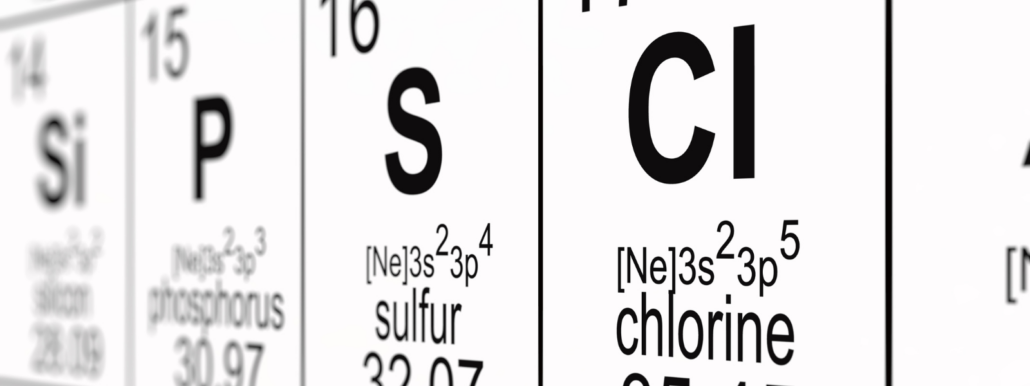
A chlorinated solvent, or organochlorine, is an organic solvent bonded with at least one chlorine atom. Organochlorines are associated with numerous health risks that manufacturers should be aware of, such as internal organ damage and eye irritation. If frequently exposed, these risks can lead to serious illness. Wearing personal protective equipment, or PPE, is essential to ensuring your own health and safety. Also, most organochlorines are non-flammable. Examples of some organic solvents include:  

  • Carbon tetrachloride  
  • Chloroform  
  • Dichloromethane  
  • Tetrachloroethylene  

Solvents That Are Not Chlorinated  

In contrast, a non-chlorinated solvent is an organic solvent not bonded with a chlorine atom. These organic compounds are more environmentally friendly alternatives than solvents with chlorine. Unfortunately, most of them are flammable, so you must ensure they do not come in contact with ignition sources. Some examples of non-chlorinated solvents include:  

  • Toluene  
  • Acetone  
  • Ethylene glycol  
  • Cyclohexanone  

While many chemical suppliers exist, customers who purchase chemicals from Ecolink have multiple advantages that you should consider. Ecolink offers customers a variety of benefits:  

  • Bulk Sizes: Ecolink can supply chemicals to businesses of all sizes. Whether you need 5-gallon buckets or 55-gallon drums, we provide it!  
  • Expert Team: Our expert team can help you find the right chemical for your industrial task the first time around. Custom blends are also available for businesses that cannot find what they need in our extensive shop.  
  • High-Quality Products: We have provided high-quality chemicals to new and returning customers for over 30 years. 
  • Focus on Environmentally Friendly Options: Our company supplies environmentally preferred chemicals nationwide and internationally. Several products in our shop are biodegradable and have safer chemical alternatives. 

Interested in Purchasing Solvents?  

 Look no further than Ecolink! We have been supplying many industries for over thirty years. Look through our shop to see what chemicals we currently have in stock. Do not hesitate to contact us today if you have any questions about our products or want to learn more! We are here to help with whatever chemical service your industry requires! 

Search here

Don’t forget to share this post!

Categories

Suggested Blog Posts

View all News
By Mark
Common Causes of Foaming in Industrial Water and Effective Control Methods
Jul 17 2026

Common Causes of Foaming in Industrial Water and Effective Control Methods

Excessive foam in industrial water systems disrupts operations, reduces treatment efficiency, causes overflow events, and creates worker safety hazards that cost...
By Mark
Key Benefits of Using an Aerosol Degreaser for Electronics
Jul 13 2026

Key Benefits of Using an Aerosol Degreaser for Electronics

Grease, flux residue, dust, and moisture accumulation on circuit boards and electrical contacts are among the leading causes of premature equipment failure in...
By Mark
What Is a Flux Remover: Benefits, Usage, and Appropriate Selection Guide
Jul 10 2026

What Is a Flux Remover: Benefits, Usage, and Appropriate Selection Guide

Flux residues left on printed circuit boards after soldering are one of the leading causes of premature electrical failures in electronics manufacturing. These...
By Mark
How Do Water-Based Cleaners Remove Grease from Industrial Metal Parts Safely
Jul 10 2026

How Do Water-Based Cleaners Remove Grease from Industrial Metal Parts Safely

Water-based cleaners remove grease from industrial metal parts safely by using surfactants, pH builders, emulsifiers, corrosion inhibitors, heat, and agitation to...
By Khatera Barati
Khatera Barati - Digital Marketing Content Intern
Jul 07 2026

From WordPress to SEO: My Ecolink Marketing Internship

Reflecting on My Marketing Internship at Ecolink As my internship with Ecolink comes to an end, I’ve had the opportunity to reflect on how much I’ve learned over the...
By Mark
Why Industrial Lubricants Are the Backbone of Modern Machinery
Jul 06 2026

Why Industrial Lubricants Are the Backbone of Modern Machinery

Improper lubrication causes 64% of bearing failures, making it the single greatest preventable cause of machinery breakdown across every industrial sector. That...
By Mark
What Is an Epoxy Paint Stripper and What Are Its Uses?
Jun 29 2026

What Is an Epoxy Paint Stripper and What Are Its Uses?

An epoxy paint stripper is a heavy-duty chemical solution used to soften, swell, and remove cured epoxy paint from surfaces where standard paint removers are...
By Mark
How Boiler Water Treatment Chemicals Prevent System Corrosion
Jun 25 2026

How Boiler Water Treatment Chemicals Prevent System Corrosion

Boiler water treatment chemicals prevent system corrosion by controlling the conditions that allow metal attack: dissolved oxygen, carbon dioxide, low pH, hardness...
By Mark
Types of Water Treatment Chemicals
Jun 22 2026

Types of Water Treatment Chemicals

Choosing the right water treatment chemicals starts with knowing what the water contains, what the system needs to protect, and what regulations apply. The main types...
By Mark
Industrial Lubricants: Types, Uses, and How They Work
Jun 19 2026

Industrial Lubricants: Types, Uses, and How They Work

Industrial lubricants reduce friction, control heat, protect parts, and help industrial machinery run reliably under demanding operating conditions. If you need to...
View all News