
What Does an Industrial Hygienist Do?
Industrial hygiene is the science of anticipating, recognizing, evaluating, and controlling workplace conditions that could cause the injury or illness of a worker. Industrial hygienists use environmental monitoring and analytical methods to detect the extent of worker exposure and employ engineering, work practice controls, and other methods to control potential health hazards. It is the role of the industrial hygienist to identify any ominous conditions that could cause harm to a worker, and alert the business unwittingly placing its workers in nefarious conditions that the conditions need to be changed. If those changes are not put into place that make the conditions better for the worker, the industrial hygienist has the right to expose the unsavory conditions to the proper authorities, so that the business can be forced to fix the conditions, otherwise the company runs the risk of being shut down. 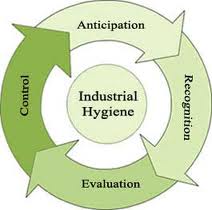
History concerning industrial hygienists and their practices can be dated back to four hundred years B.C., when Hippocrates noted lead toxicity in the mining industry, and the health risks associated with working in such dire conditions. For the sake of brevity, this blog will cover the most recent strides in the profession.
In the early 20th century, and while working in the United States, Dr. Alice Hamilton led efforts to improve industrial hygiene. She observed industrial conditions first hand and startled factory managers, state officials, and mine owners with evidence that there was a correlation between worker illness and their exposure to toxins. She also presented definitive proposals for eliminating unhealthful working conditions.
At about the same time, U.S. federal and state agencies began investigating health conditions in industries deemed the most harmful to its workers. In 1908, the public’s awareness of occupationally related diseases stimulated the passage of compensation acts for certain civil employees. States passed the first workers’ compensation laws in 1911. In addition, in 1913, the New York Department of Labor and the Ohio Department of Health established the first state industrial hygiene programs. All states enacted such legislation by 1948. In most states, there is some compensation coverage for workers contracting occupational diseases.
The U.S. Congress has passed three landmark pieces of legislation relating to safeguarding workers’ health: (1) the Metal and Nonmetallic Mines 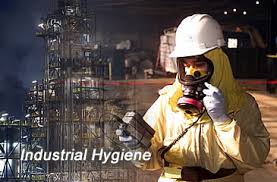 Safety Act of 1966; (2) the Federal Coal Mine Safety and Health Act of 1969; and (3) the Occupational Safety and Health Act of 1970. Today, nearly every employer is required to implement the elements of industrial hygiene and safety, occupational health, or hazard communication programs, as well as to be responsive to the Occupational Safety and Health Administration (OSHA), the Act put into law, and its regulations.
One area of hygiene every company should review is their use of industrial cleaners and the levels of toxicity they may have. Ecolink is an environmentally conscious company who develops and manufactures chemicals that leave the smallest impact on the people and environment they come in contact with. Contact Ecolink today and one of their professional customer service representatives will be able to recommend cleaning solutions that will clean just as thoroughly as your current cleaners, while keeping workers safe.