
Ecolink, Inc.
Q
  1. Home
  2. Ecolink News
  3. Types of Corrosion Inhibitors: Applications and Benefits  

Types of Corrosion Inhibitors: Applications and Benefits  

Last updated:

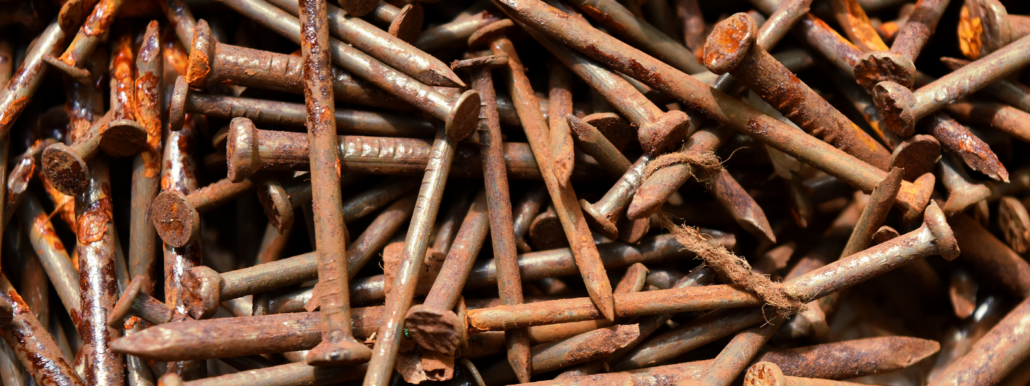
Many materials such as metal break down over time. This corrosion can cause massive damage to your equipment and be a hindrance in your process. Corrosion inhibitors are a way to prevent and remove any broken-down materials from your system. These deterioration removers are chemical compounds that reduce the decomposition rate of a material, usually metals or alloys when added to either a liquid or a gas. In this post, we will go over the different types of corrosion inhibitors as well as the applications of them and the benefits of using them.  

Different Types of Inhibitors  

Inhibitors can be classified into four main groups. The four main classifications are:  

  • Cationic:   

This type delays the corrosion reaction at the cathode, or the oxidizing electrode, to increase the resistance and limit the diffusion on the metal surface.  

  • Anodic:   

Anodic classifications block the anodic sites, or sites where oxidation occurs, in the metal making it passive and forming a protective layer on the surface of the metal.  

  • Volatile 

Volatile, or vapor-phase, inhibitors reduce a break-down by vaporizing a chemical compound into a sealed atmosphere causing a pH change. This pH change in the atmosphere leads to conditions that control the corrosive rate of the material.  

  • Mixed:   

This type of deterioration controller also forms a protective layer on the surface of the metal. They reduce both oxidation and reduction reactions by forming a precipitate on the surface of the material.  

Applications of Inhibitors  

The chemical compounds that can delay corrosion can be used in a variety of different ways and processes. Some applications include:  

  • In boilers to reduce the effects of acids  
  • In pipelines  
  • In water cooling systems  
  • As protective films on surfaces  
  • As water softeners  

Benefits of Inhibitors  

Similar to how they can be utilized in many different processes and systems, using inhibitors to prevent corrosion in your company’s equipment provides multiple benefits you should consider. A few benefits include:  

  • Fewer maintenance costs to fix corroded equipment  
  • Longer lasting equipment   
  • More efficient systems  
  • Can prevent corrosion from happening in the future  

Interested in Purchasing a Corrosion Inhibitor?  

Look no further than Ecolink! As a trusted industrial bulk chemical supplier for over 30 years, we value providing high-quality and effective chemicals specifically for you. If you have any questions regarding corrosion inhibitors, do not hesitate to contact us. Our experienced and knowledgeable team would be happy to assist you!

Search here

Don’t forget to share this post!

Categories

Suggested Blog Posts

View all News
By Mark
Common Causes of Foaming in Industrial Water and Effective Control Methods
Jul 17 2026

Common Causes of Foaming in Industrial Water and Effective Control Methods

Excessive foam in industrial water systems disrupts operations, reduces treatment efficiency, causes overflow events, and creates worker safety hazards that cost...
By Mark
Key Benefits of Using an Aerosol Degreaser for Electronics
Jul 13 2026

Key Benefits of Using an Aerosol Degreaser for Electronics

Grease, flux residue, dust, and moisture accumulation on circuit boards and electrical contacts are among the leading causes of premature equipment failure in...
By Mark
What Is a Flux Remover: Benefits, Usage, and Appropriate Selection Guide
Jul 10 2026

What Is a Flux Remover: Benefits, Usage, and Appropriate Selection Guide

Flux residues left on printed circuit boards after soldering are one of the leading causes of premature electrical failures in electronics manufacturing. These...
By Mark
How Do Water-Based Cleaners Remove Grease from Industrial Metal Parts Safely
Jul 10 2026

How Do Water-Based Cleaners Remove Grease from Industrial Metal Parts Safely

Water-based cleaners remove grease from industrial metal parts safely by using surfactants, pH builders, emulsifiers, corrosion inhibitors, heat, and agitation to...
By Khatera Barati
Khatera Barati - Digital Marketing Content Intern
Jul 07 2026

From WordPress to SEO: My Ecolink Marketing Internship

Reflecting on My Marketing Internship at Ecolink As my internship with Ecolink comes to an end, I’ve had the opportunity to reflect on how much I’ve learned over the...
By Mark
Why Industrial Lubricants Are the Backbone of Modern Machinery
Jul 06 2026

Why Industrial Lubricants Are the Backbone of Modern Machinery

Improper lubrication causes 64% of bearing failures, making it the single greatest preventable cause of machinery breakdown across every industrial sector. That...
By Mark
What Is an Epoxy Paint Stripper and What Are Its Uses?
Jun 29 2026

What Is an Epoxy Paint Stripper and What Are Its Uses?

An epoxy paint stripper is a heavy-duty chemical solution used to soften, swell, and remove cured epoxy paint from surfaces where standard paint removers are...
By Mark
How Boiler Water Treatment Chemicals Prevent System Corrosion
Jun 25 2026

How Boiler Water Treatment Chemicals Prevent System Corrosion

Boiler water treatment chemicals prevent system corrosion by controlling the conditions that allow metal attack: dissolved oxygen, carbon dioxide, low pH, hardness...
By Mark
Types of Water Treatment Chemicals
Jun 22 2026

Types of Water Treatment Chemicals

Choosing the right water treatment chemicals starts with knowing what the water contains, what the system needs to protect, and what regulations apply. The main types...
By Mark
Industrial Lubricants: Types, Uses, and How They Work
Jun 19 2026

Industrial Lubricants: Types, Uses, and How They Work

Industrial lubricants reduce friction, control heat, protect parts, and help industrial machinery run reliably under demanding operating conditions. If you need to...
View all News