
Ecolink, Inc.
Q
  1. Home
  2. Recycling
  3. The History of Recycling

The History of Recycling

Ecolink Green Icon
Ecolink Blue And Green Icon

 What is Recycling? 

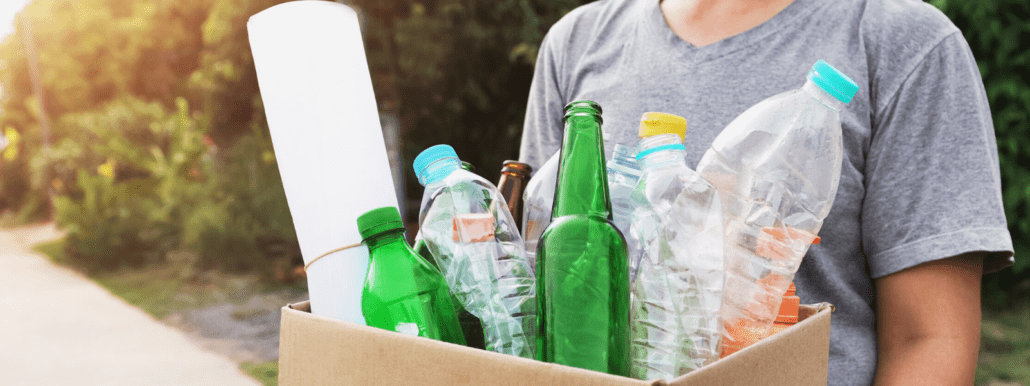
Recycling is converting or repurposing waste into a new, usable product, allowing its lifespan to provide a variety of uses—eliminating waste. 

The Origin of Recycling  

Due to a lack of resources, this method, recusing/recycling became a common practice. It is said that there is no particular person who can take credit for the process of recycling but the earliest forms of this practice date back to ancient times. With the timeline dating back several centuries ago, the evolution of recycling is drastic.  

Throughout history, different areas of the world have gone about recycling a bit differently due to resources and relativity. 

A Brief Recycling Timeline 

While it is possible to go on and on about the history of recycling, this breakdown will give you a gist of the adaptation and evolvement. It is important to keep in mind that recycling at times (i.e., during war) had to be utilized due to shortages. It is also important to keep in mind that depending on the time and the circumstances, the popularity of recycling fluctuated. 

Origins and Types of Recycling  

  • Recycling of paper 
  • Everyday essentials  
  • Waste removal/processes

The late 1600s-1800s 

  • Upcycling recycled cloth and rags 
  • Collection of waste, metals, and of course, paper

The 1900s 

  • Recycling bins introduced, Green Movement, First Earth Day 
  • Recycling laws were introduced (via Congress due to waste becoming a developing issue) 
  • Reuse and recycling programs  
  • Sortation plants for waste 
  • The trend of single-use items 
  • Incentives for recycling

In Recent Years

  • Reusable bags and cups 
  • Paper products begin to replace plastic 
  • The link between waste and climate change 
  • Recycling of electronics 
  • Banning of plastic bags in certain states 
  • Continued awareness of waste, and the impact it has on the environment 

Why Should You Make A Change? 

You should recycle because it’s a choice that will pay off in the long run! There is no doubt that the three R’s: Reduce, Reuse, and Recycle (a phrase created during the 1900s) hold weight and their payout is worth it! 

Ecolink does not shy away from the importance of keeping our environment safe and clean. That’s why we offer you chemical products that have fewer chemicals. We take pride in what we do and with over 30 years of experience, you can feel confident about shopping with us! Looking for industrial-grade chemicals for your company? Get in touch with us today! We look forward to connecting with you. 

Search here

Don’t forget to share this post!

Categories

Suggested Blog Posts

View all News
By Mark
Best Practices for Applying Industrial Aerosol Degreasers Safely
Sep 10 2026

Best Practices for Applying Industrial Aerosol Degreasers Safely

Chemical exposure remains one of the leading causes of workplace injuries, chronic illness, and fatalities across industrial environments. OSHA reports that cleaning...
By Mark
Why HFE Solvents Are Preferred for Precision Industrial Cleaning
Sep 08 2026

Why HFE Solvents Are Preferred for Precision Industrial Cleaning

Hydrofluoroether solvents are favored for precision cleaning due to their combination of cleaning performance and safety, one that traditional solvents struggle to...
By Mark
How MIL-SPEC Cleaning Chemicals Support Aerospace Maintenance Standards
Sep 03 2026

How MIL-SPEC Cleaning Chemicals Support Aerospace Maintenance Standards

Aerospace maintenance depends on cleaning chemicals that perform predictably under extreme conditions without damaging sensitive materials, compromising safety, or...
By Mark
Signs It's Time to Switch to a Safer Industrial Degreaser
Sep 01 2026

Signs It’s Time to Switch to a Safer Industrial Degreaser

If your workers are reporting headaches after degreasing operations, your hazardous waste disposal costs keep climbing, or you've recently failed an environmental...
By Mark
Common Industries That Benefit from Aqueous Cleaners
Aug 19 2026

Common Industries That Benefit from Aqueous Cleaners

Industrial facilities across every sector face the same core challenge: removing oils, grease, machining fluids, and other contaminants from parts and surfaces without...
By Mark
When Should Chemical Protection PPE Be Replaced?
Aug 17 2026

When Should Chemical Protection PPE Be Replaced?

Chemical protection PPE must be replaced immediately when breakthrough time is exceeded, visible damage appears, or contamination cannot be removed, and on a scheduled...
By Mark
How Industrial Water Treatment Chemicals Improve Heat Transfer Efficiency
Aug 14 2026

How Industrial Water Treatment Chemicals Improve Heat Transfer Efficiency

Industrial water treatment chemicals improve heat transfer efficiency by preventing the insulating deposits, scale, corrosion products, and biofilm that accumulate on...
By Mark
How Often Should You Change Industrial Lubricants: A Comprehensive Maintenance Guide
Aug 12 2026

How Often Should You Change Industrial Lubricants: A Comprehensive Maintenance Guide

Industrial lubricant change intervals depend on your specific operating conditions, not a universal calendar date. General guidance varies by equipment: mineral gearbox...
By Mark
Common Solvent Cleaner Selection Mistakes in Manufacturing
Aug 10 2026

Common Solvent Cleaner Selection Mistakes in Manufacturing

Selecting the wrong solvent cleaner can lead to high costs through damaged parts, regulatory violations, unplanned downtime, and scrapped production runs. Yet it...
By Mark
How Flux Residues Affect Long-Term Circuit Board Reliability
Aug 07 2026

How Flux Residues Affect Long-Term Circuit Board Reliability

Every electronic device that leaves a production line carries a hidden variable that can determine whether it performs flawlessly for many years or fails...
View all News