
Ecolink, Inc.
Q
  1. Home
  2. Solar Panel Cleaning
  3. Solar Cleaners: Maintain Efficiency Without Harming the Environment

Solar Cleaners: Maintain Efficiency Without Harming the Environment

Last updated:

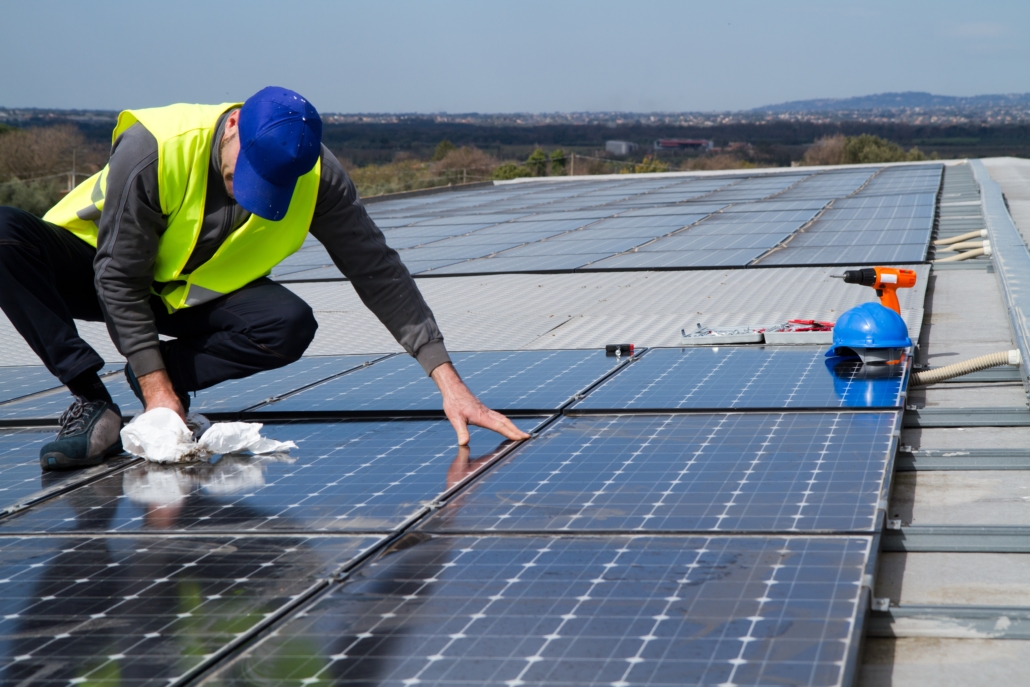
Solar cleaners are essential for getting the most electricity output efficiency; however, this does not mean extremely harmful chemicals must be used to get the job done. If your facilities or commercial properties use solar panels to operate, then you already know how soiling on the mirrors creates problems. Even if you offer a washing service for these panels, it is apparent that a quality, environmentally friendly cleaner is necessary to maintain performance and duration of life.

Depending on the area and other conditions, soiling can be minor or extensive with rates as high as one percent a day. Even one percent is capable of degrading energy output by half when washing does not occur routinely. Dirt removal options vary according to the area and locations with water restrictions require effective cleaners to keep panels efficient.

Debris such as pollution, dust, and leaves prevent sunlight from reaching the cells in solar panels. Excessive dirt results in decreased electricity production, which brings operations to a crawl or even a complete halt. While other factors obviously affect performance, dirt is the easiest problem to fix. The loss rate will vary significantly based on geographical area, removal processes, and applied cleaners. In many cases a rain is not enough to keep them dirt free and the right equipment along with a dependable solar cleaner is necessary.

Tips for Choosing a Solar Cleaner
In reality a rain is not enough to keep anything dirt free. Just take a look at your car, as it will still have dirt even if it rains every day. Not only do dirty panels experience decreased efficiency, they also extend the pay back period of this effort by a few years. An effective solar cleaner is a must and the safer it is for the environment, the better it will also be for buildings, panels, and employees. Not every available cleaner is going to be safe for handling or the surrounding atmosphere. It is worthwhile to choose a cleaner that is not going to pose significant health or environmental problems. Here are a few things to consider when choosing a solution for industrial or commercial use:

  • How will it be applied?
  • Will runoff stain the building?
  • Does it have to be disposed of as waste?
  • Is it environmentally safe?
  • Is it toxic to handle?
  • Are better options available for continued use?
  • Will it harm the panels, animals, or local plant life?

Runoff is a big concern because if the cleaner is toxic, it poses danger to every living thing in the area. Additionally, certain solar cleaners could damage the panels thus resulting in further costs. The wrong choice could harm local wildlife, pets, and foliage whereas highly toxic options will result in ozone depletion as well as health issues.

Not every product that says it is environmentally friendly truly is thus making it essential to know what you are buying. At Ecolink, we offer an effective, environmentally friendly solar cleaner for industrial and commercial use. Contact us today to see how our solar cleaner will aid in maintaining energy efficiency and to learn about the many options we offer for safer, environmentally friendly cleaning.

Search here

Don’t forget to share this post!

Categories

Suggested Blog Posts

View all News
By Mark
Common Causes of Foaming in Industrial Water and Effective Control Methods
Jul 17 2026

Common Causes of Foaming in Industrial Water and Effective Control Methods

Excessive foam in industrial water systems disrupts operations, reduces treatment efficiency, causes overflow events, and creates worker safety hazards that cost...
By Mark
Key Benefits of Using an Aerosol Degreaser for Electronics
Jul 13 2026

Key Benefits of Using an Aerosol Degreaser for Electronics

Grease, flux residue, dust, and moisture accumulation on circuit boards and electrical contacts are among the leading causes of premature equipment failure in...
By Mark
What Is a Flux Remover: Benefits, Usage, and Appropriate Selection Guide
Jul 10 2026

What Is a Flux Remover: Benefits, Usage, and Appropriate Selection Guide

Flux residues left on printed circuit boards after soldering are one of the leading causes of premature electrical failures in electronics manufacturing. These...
By Mark
How Do Water-Based Cleaners Remove Grease from Industrial Metal Parts Safely
Jul 10 2026

How Do Water-Based Cleaners Remove Grease from Industrial Metal Parts Safely

Water-based cleaners remove grease from industrial metal parts safely by using surfactants, pH builders, emulsifiers, corrosion inhibitors, heat, and agitation to...
By Khatera Barati
Khatera Barati - Digital Marketing Content Intern
Jul 07 2026

From WordPress to SEO: My Ecolink Marketing Internship

Reflecting on My Marketing Internship at Ecolink As my internship with Ecolink comes to an end, I’ve had the opportunity to reflect on how much I’ve learned over the...
By Mark
Why Industrial Lubricants Are the Backbone of Modern Machinery
Jul 06 2026

Why Industrial Lubricants Are the Backbone of Modern Machinery

Improper lubrication causes 64% of bearing failures, making it the single greatest preventable cause of machinery breakdown across every industrial sector. That...
By Mark
What Is an Epoxy Paint Stripper and What Are Its Uses?
Jun 29 2026

What Is an Epoxy Paint Stripper and What Are Its Uses?

An epoxy paint stripper is a heavy-duty chemical solution used to soften, swell, and remove cured epoxy paint from surfaces where standard paint removers are...
By Mark
How Boiler Water Treatment Chemicals Prevent System Corrosion
Jun 25 2026

How Boiler Water Treatment Chemicals Prevent System Corrosion

Boiler water treatment chemicals prevent system corrosion by controlling the conditions that allow metal attack: dissolved oxygen, carbon dioxide, low pH, hardness...
By Mark
Types of Water Treatment Chemicals
Jun 22 2026

Types of Water Treatment Chemicals

Choosing the right water treatment chemicals starts with knowing what the water contains, what the system needs to protect, and what regulations apply. The main types...
By Mark
Industrial Lubricants: Types, Uses, and How They Work
Jun 19 2026

Industrial Lubricants: Types, Uses, and How They Work

Industrial lubricants reduce friction, control heat, protect parts, and help industrial machinery run reliably under demanding operating conditions. If you need to...
View all News