Ecolink, Inc.
Q
  1. Home
  2. Sodium Hypochlorite
  3. Sodium Hypochlorite vs Chlorine 

Sodium Hypochlorite vs Chlorine 

Ecolink Green Icon
Ecolink Blue And Green Icon

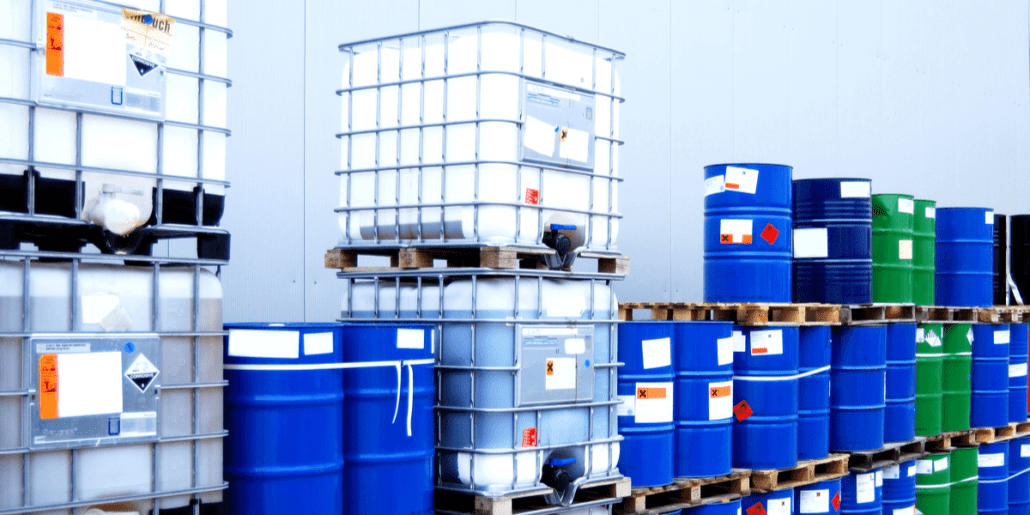
What is the difference between sodium hypochlorite vs chlorine? Sodium hypochlorite (the  chemical name for bleach) is a toxic compound that is very easily produced and common, having been around for over 5 millennia. Bleach is commonly used as a cleaning agent and as a go-to sanitizing agent across a variety of industries. Chlorine, on the other hand, has been used since the 18th century when it is believed to have been invented (discovered) by a Swedish chemist named Carl Wilhelm Scheele. Typically, chlorine is found in two primary types of compounds, Sodium Chloride (commonly known as table salt) and Hydrogen Chloride, which when mixed with water, becomes acidic and a powerful solvent and cleaning agent. 

The term Sodium Hypochlorite stems from the compound of Sodium, Hydrogen, and Chlorine that when mixed together creates bleach. Effectively, to be able to produce sodium hypochlorite (bleach), chlorine must be used as a principal component of the compound. To better understand the differences and benefits of both products, consulting our expert chemists at  Ecolink will provide you with the answers you seek when determining the suitable product for your cleaning and chemical needs. 

  • Bulk Supply – Ecolink is a bulk, industrial chemical supplier who provides chemicals like sodium hypochloriet in quantities of 5 to 55 gallons. 
  • Knowledge and Experience – Want to better understand sodium hypochlorite vs chlorine? Ecolink was founded in 1991 and has over 30 years of experience to share with our customers, answer your questions, and ensure you receive the best chemicals for your needs.
  • Eco-Friendly – In addition to standard industrial chemicals and cleaners, at Ecolink we also offer an environmentally conscious line of green chemical alternatives to provide more sustainable, eco-friendly options.

Want To Learn More About Sodium Hypochlorite VS Chlorine

If you are looking for a reliable bulk supplier of sodium hypochlorite or chlorine Contact Ecolink here and find the right chemicals for your needs!
Search here

Don’t forget to share this post!

Categories

Suggested Blog Posts

View all News
By Mark
Ensuring Safety: The Importance of PPE for Handling Chemicals
Jul 24 2026

Ensuring Safety: The Importance of PPE for Handling Chemicals

Chemical-related workplace injuries remain a persistent and costly problem across manufacturing, construction, and industrial maintenance sectors. When it comes to...
By Mark
Essential Factors to Evaluate When Selecting Boiler Water Treatment Chemicals
Jul 20 2026

Essential Factors to Evaluate When Selecting Boiler Water Treatment Chemicals

Selecting the right boiler water treatment chemicals is one of the most consequential decisions you can make for the longevity, safety, and efficiency of your boiler...
By Mark
Common Causes of Foaming in Industrial Water and Effective Control Methods
Jul 17 2026

Common Causes of Foaming in Industrial Water and Effective Control Methods

Excessive foam in industrial water systems disrupts operations, reduces treatment efficiency, causes overflow events, and creates worker safety hazards that cost...
By Mark
Key Benefits of Using an Aerosol Degreaser for Electronics
Jul 13 2026

Key Benefits of Using an Aerosol Degreaser for Electronics

Grease, flux residue, dust, and moisture accumulation on circuit boards and electrical contacts are among the leading causes of premature equipment failure in...
By Mark
What Is a Flux Remover: Benefits, Usage, and Appropriate Selection Guide
Jul 10 2026

What Is a Flux Remover: Benefits, Usage, and Appropriate Selection Guide

Flux residues left on printed circuit boards after soldering are one of the leading causes of premature electrical failures in electronics manufacturing. These...
By Mark
How Do Water-Based Cleaners Remove Grease from Industrial Metal Parts Safely
Jul 10 2026

How Do Water-Based Cleaners Remove Grease from Industrial Metal Parts Safely

Water-based cleaners remove grease from industrial metal parts safely by using surfactants, pH builders, emulsifiers, corrosion inhibitors, heat, and agitation to...
By Khatera Barati
Khatera Barati - Digital Marketing Content Intern
Jul 07 2026

From WordPress to SEO: My Ecolink Marketing Internship

Reflecting on My Marketing Internship at Ecolink As my internship with Ecolink comes to an end, I’ve had the opportunity to reflect on how much I’ve learned over the...
By Mark
Why Industrial Lubricants Are the Backbone of Modern Machinery
Jul 06 2026

Why Industrial Lubricants Are the Backbone of Modern Machinery

Improper lubrication causes 64% of bearing failures, making it the single greatest preventable cause of machinery breakdown across every industrial sector. That...
By Mark
What Is an Epoxy Paint Stripper and What Are Its Uses?
Jun 29 2026

What Is an Epoxy Paint Stripper and What Are Its Uses?

An epoxy paint stripper is a heavy-duty chemical solution used to soften, swell, and remove cured epoxy paint from surfaces where standard paint removers are...
By Mark
How Boiler Water Treatment Chemicals Prevent System Corrosion
Jun 25 2026

How Boiler Water Treatment Chemicals Prevent System Corrosion

Boiler water treatment chemicals prevent system corrosion by controlling the conditions that allow metal attack: dissolved oxygen, carbon dioxide, low pH, hardness...
View all News