
Metal Industrial Solvents for Cleaning Stainless Steel: An Overview
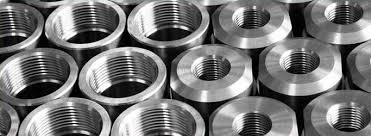
Stainless steel — of which there are many grades — is one of the most popular types of metal used in residential, commercial, and industrial operations. The are three reasons why: Stainless steel has a shiny, non-corrosive appearance that helps keep products and environments looking clean, the metal demonstrates excellent dimensional ability, and chromium in the alloy, which gives the metal its shiny appearance is remarkably corrosion resistant under normal conditions.
Cleaning Stainless Steel: Do’s and Don’ts
Large companies and organizations that have consistent metal degreasing needs look for solutions that produce the best results. At the same time, many entities use metal industrial degreasing solvents to great, positive effect. To show what we mean, consider the table below that highlights metal industrial solvents — both good and bad — to help you choose the right one.
| What to Avoid | Why Avoid It? | What to Use | Why Use It? |
| Chloride cleaners | Bleach and chlorine cause pin holes to develop. | Gentle soaps, mild ammonia, or detergent | Routine cleaning and removing grease |
| Scouring pads | These will scratch the surface, and require it to be restored. | 3M Stainless Steel Cleaner | Removing smudges and fingerprints |
| Hard water | Can leave spots and deposits that harm stainless steel. | Allchem Concentrated Cleaner, as an example. | Removes stubborn stains and discoloration |
| Metal grinding / sandblasting | This can be the first step for restoring an oxidized surface. Otherwise, it should be avoided | Benefit and Super Clean, for examples. | Surface restoration of stainless steel |
The table above shows solutions that have a relatively long history of cleaning metal in one way or another. However, degreasing your parts and equipment is only a part of the equation. You should also consider the acute and chronic health effects your metal cleaning solutions have on workers — considerations that are only becoming more emphasized as the EPA and OSHA perform studies perform and refer to studies that paint solvents with toxic profiles in a bad light.
If you don’t pay attention to the EPA’s latest findings on solvents (e.g. nPB or n-propyl bromide), workers could experience dizziness, confusion, and slurred speech — just to name a few negative health conditions — that could compromise productivity, as well as lead to an increase in sick days taken, workers compensation lawsuits filed, and chemical injury lawsuits settled. Experiencing these fallouts on a regular basis could significantly reduce the bottom line.
In addition, neurological damage, unsteady walking, paresthesia, and permanently reduced earning capacity can happen to workers with long exposures times to toxic chemicals (usually at least a year) — and these are the cases that often lead to chemical injury suits.
Need Metal Industrial Solvents?
If you need metal industrial solvents that apply specifically to cleaning stainless steel, we offer a variety of environmentally preferred or environmentally safe solvents for cleaning unwanted accretions away from the chromium alloy that can be polished to a brilliant, almost mirror-like shine. Our solvents also ensure that your stainless parts and systems retain their dimensional stability, as they shine.
Please inquire, or order the products you need today, by calling (800) 563-1305, or use the contact form on our website, We look forward to helping you select the best metal industrial solvents for all of your organization’s one-time or ongoing cleaning needs.

