
Ecolink, Inc.
Q
  1. Home
  2. Electrical Contact Cleaning Solutions
  3. General Electrical Maintenance Cleaners: Using ECC (A)

General Electrical Maintenance Cleaners: Using ECC (A)

Last updated:

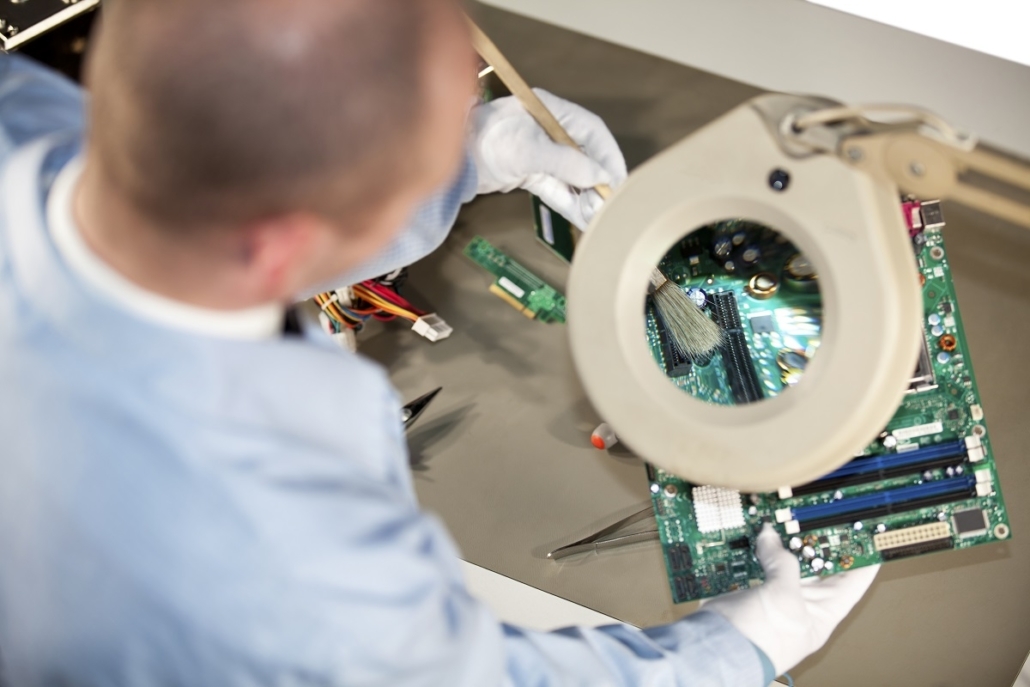
Industrial electrical maintenance cleaners are often designed for specific electrical equipment, such as motors, switchgear, and printed circuit boards. This is a good thing. If you’re cleaning equipment that your operations depend on, you definitely want to know you’re using the right cleaner.

But there’s also a need for general electrical maintenance cleaners — solutions for cleaning for several types of equipment, dispersing various standard soils, while delivering uniformly great results. ECC (A) Environmentally Preferred Contact Cleaner from Ecolink is a good example of this type of cleaner.

ECC (A) for Electrical Maintenance

ECC (A) is formulated to free non-energized electrical equipment from soils that traditional chlorinated solvents would remove. The difference is that ECC (A) is formulated to be safer for the environment than its archaic, chlorinated counterparts. ECC (A) has several notable specs that make it an excellent option for general electrical maintenance, including:

  • Fast drying – Dries ultra fast so no moisture remains when electricity returns
  • No residue – Leaves no residue that could impede electrical current
  • Odorless – No powerful smell to irritate the senses
  • No “phase out” date – EPA isn’t set to regulate any of the ingredients
  • Non-ozone-depleting – No emissions that eat away ozone

The fifth characteristic makes ECC (A) an excellent cleaner for a specific group of organizations, in addition to ones at large: those located in Low Emission Zones (LEZs), where emissions caps are far lower than most places go. If you’re located in or around a LEZ, and you need to keep emissions especially low, ECC (A) can work well as an electrical maintenance cleaner for applications not involving live electricity and requiring a fast drying solvent.

Some Key Things to Remember     

Before you experience the cleaning power of ECC (A), remember that it must be used on non-energized equipment. The solvent doesn’t have high dielectric strength and isn’t intended for dielectric applications.

Also, although the solvent’s environmentally preferred formulation makes it safer for the environment than traditional chlorinated solvents, remember that proper personal protective equipment (PPE) should be worn when deploying ECC (A). Consult OSHA guidelines.

In addition, remember that ECC (A) has a low flashpoint. It ignites readily, just like it evaporates. As long as you use and store the solvent away from sources of ignition, and have workers wear flame-retardant PPE to be on the safe side, the low flashpoint should not pose a problem.

Contact Ecolink Today

As long as you take some simple safety precautions, ECC (A) could be your choice option among general electrical maintenance cleaners for fast drying applications. If you need an economical solvent, the choice is even better. ECC (A) is highly economical compared to equivalent HFE and HFC based contact cleaners — and you can increase savings by investing in quantity.

Would you like to see how well ECC (A) works for your electrical maintenance cleaning needs? To order a free test sample, call us today at 800-563-1305, or use our Request a Product Sample form. We look forward to providing you with great results!

Search here

Don’t forget to share this post!

Categories

Suggested Blog Posts

View all News
By Mark
Common Causes of Foaming in Industrial Water and Effective Control Methods
Jul 17 2026

Common Causes of Foaming in Industrial Water and Effective Control Methods

Excessive foam in industrial water systems disrupts operations, reduces treatment efficiency, causes overflow events, and creates worker safety hazards that cost...
By Mark
Key Benefits of Using an Aerosol Degreaser for Electronics
Jul 13 2026

Key Benefits of Using an Aerosol Degreaser for Electronics

Grease, flux residue, dust, and moisture accumulation on circuit boards and electrical contacts are among the leading causes of premature equipment failure in...
By Mark
What Is a Flux Remover: Benefits, Usage, and Appropriate Selection Guide
Jul 10 2026

What Is a Flux Remover: Benefits, Usage, and Appropriate Selection Guide

Flux residues left on printed circuit boards after soldering are one of the leading causes of premature electrical failures in electronics manufacturing. These...
By Mark
How Do Water-Based Cleaners Remove Grease from Industrial Metal Parts Safely
Jul 10 2026

How Do Water-Based Cleaners Remove Grease from Industrial Metal Parts Safely

Water-based cleaners remove grease from industrial metal parts safely by using surfactants, pH builders, emulsifiers, corrosion inhibitors, heat, and agitation to...
By Khatera Barati
Khatera Barati - Digital Marketing Content Intern
Jul 07 2026

From WordPress to SEO: My Ecolink Marketing Internship

Reflecting on My Marketing Internship at Ecolink As my internship with Ecolink comes to an end, I’ve had the opportunity to reflect on how much I’ve learned over the...
By Mark
Why Industrial Lubricants Are the Backbone of Modern Machinery
Jul 06 2026

Why Industrial Lubricants Are the Backbone of Modern Machinery

Improper lubrication causes 64% of bearing failures, making it the single greatest preventable cause of machinery breakdown across every industrial sector. That...
By Mark
What Is an Epoxy Paint Stripper and What Are Its Uses?
Jun 29 2026

What Is an Epoxy Paint Stripper and What Are Its Uses?

An epoxy paint stripper is a heavy-duty chemical solution used to soften, swell, and remove cured epoxy paint from surfaces where standard paint removers are...
By Mark
How Boiler Water Treatment Chemicals Prevent System Corrosion
Jun 25 2026

How Boiler Water Treatment Chemicals Prevent System Corrosion

Boiler water treatment chemicals prevent system corrosion by controlling the conditions that allow metal attack: dissolved oxygen, carbon dioxide, low pH, hardness...
By Mark
Types of Water Treatment Chemicals
Jun 22 2026

Types of Water Treatment Chemicals

Choosing the right water treatment chemicals starts with knowing what the water contains, what the system needs to protect, and what regulations apply. The main types...
By Mark
Industrial Lubricants: Types, Uses, and How They Work
Jun 19 2026

Industrial Lubricants: Types, Uses, and How They Work

Industrial lubricants reduce friction, control heat, protect parts, and help industrial machinery run reliably under demanding operating conditions. If you need to...
View all News