
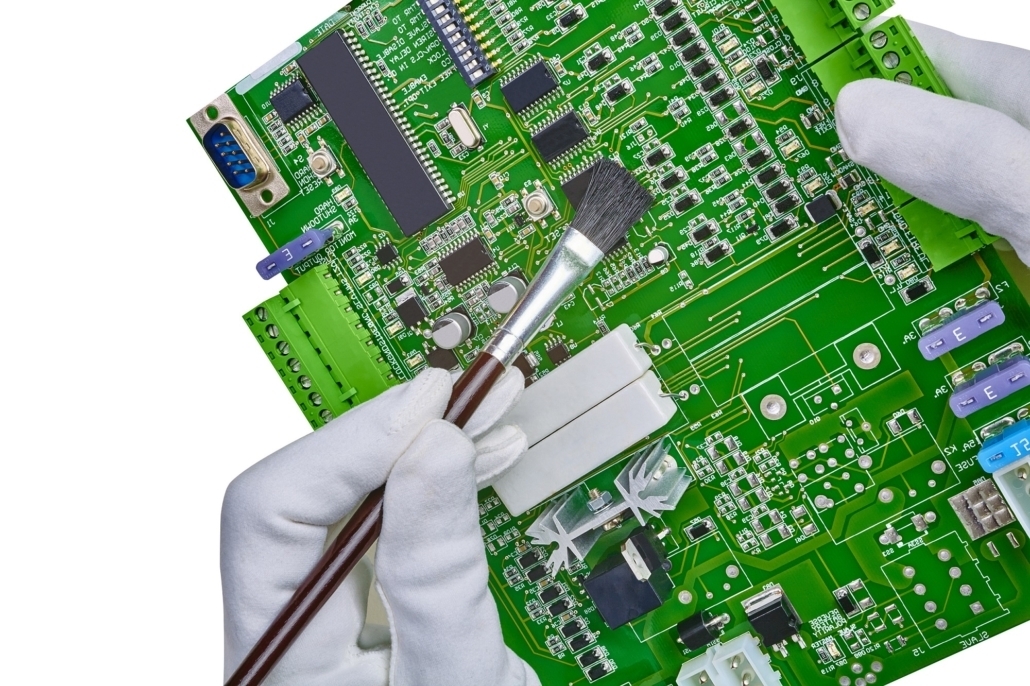
Choosing an Electrical Contact Cleaner: Essential Considerations
Using electrical contact cleaner to clean electrical contacts is one of the key service measures for maintaining many types of electrical equipment. Over time, substances can coat electrical contacts and gradually form a barrier between the contacts and the metal parts to which they deliver an electrical charge — a situation that inhibits the rudimentary transmission of electricity throughout the electrical system and can cause the equipment to operate less efficiently.
Choosing an Electrical Contact Cleaner
Electrical contact cleaners are designed for a highly specific purpose: to clean electrical contacts. However, because different users have different contact cleaning needs, not every formulation of contact cleaner is the same. That is why it’s essential to define your contact cleaning needs before you place an order for cleaner. Below are three considerations that will help you choose an electrical contact cleaner that meets your equipment maintenance needs.
- Composition of Contacts
Electrical contacts are made from a variety of metallic alloys, such as copper-tungsten, stainless steel, and silver-graphite, to name a few. Because metal can be corroded by the ingredients in industrial cleaners, it’s essential to choose a product that is formulated for the type of metal you need to clean. Like the accumulation of dirt and grime on contacts, the corrosion of contacts can inhibit the flow of electricity and eventually create spent contacts that need to be replaced.
- Space Between Contacts
Electrical contacts are often tightly surrounded by components to which they deliver an electrical charge. When this is the case, using liquid cleaner in wipe-on form is generally inefficient. Instead of removing components to get a better entry point for cleaning contacts, a better option may be to choose an aerosol cleaner that is designed for cleaning precision electronic parts. The cleaner should be fast drying, have a high flashpoint or no flashpoint, and be residue-free.
- Purpose of the Cleaner
It’s also essential to identify a cleaner that is formulated to remove the type(s) of accumulation on electrical contacts. Grease, adhesive residue from electrical tape, and residue from airborne contaminants are common examples of substances that must be removed from contacts to facilitate the efficient transmission of the charge. If necessary, Ecolink can create a custom contact cleaner that is designed to remove two or more types of accumulation simultaneously.
Need a New Electrical Contact Cleaner?
Companies and organizations switch contact cleaners for numerous reasons. At a time when dedication to worker safety and environmental awareness is at an all-time high, one of the main reasons for switching is to implement a solution that is “greener” than the one it replaces. This is the type of contact cleaner we specialize in supplying. Our contact cleaners, such as ECC, are formulated to be safer than toxic cleaners while delivering the same level of cleaning power.
If you need assistance choosing a contact cleaner that meets your unique cleaning needs, call us today at (800) 563-1305, or refer to the contact page on our website. Whether one of our readymade cleaners would meet your needs, or you need a custom formulation, we’ll provide you with an electrical contact cleaner that addresses all of your requirements. Contact us today!

