
Ecolink, Inc.
Q
  1. Home
  2. Parts Washer
  3. Hot Tank Parts Washers: Commonly Asked Questions

Hot Tank Parts Washers: Commonly Asked Questions

Last updated:

An industrial parts washer is a significant investment. Consequently, first-time buyers often have questions concerning which kind of parts washing system they should target: a hot tank parts washer or a cold tank parts washer. The answer depends on the parts washing needs and goals of the user.

In this entry, we focus on commonly asked questions about hot tank parts washers to help you decide if they’re a good option for your parts washing requirements.

  1. Are hot tank parts washers the same as aqueous based parts washers?

In most cases, the answer is yes. Hot tank parts washers are typically aqueous based parts washers. This is because aqueous parts washing cleaners require hot water to dissolve the cleaning detergent — a combined process that produces the stringent cleaning action.

  1. What method of operation does a hot tank parts washer use to clean parts?

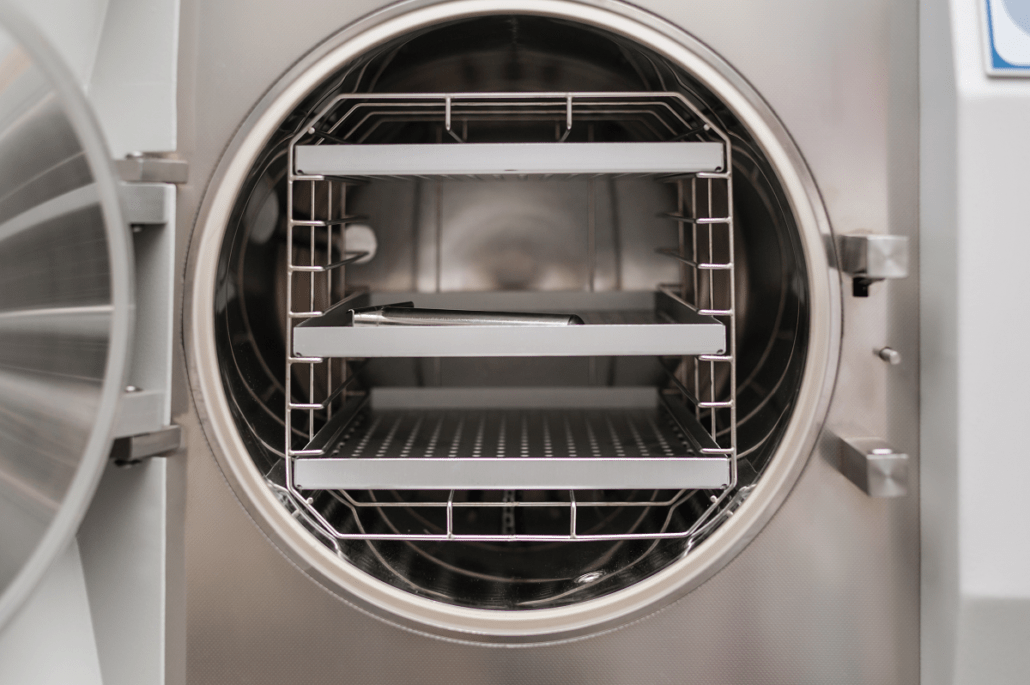
Each model is a different regarding construction and features, but hot tank washers generally operate in the following way: water and detergent are combined with heat to dissolve the detergent, then the parts washer performs a mechanical action often compared to a dish washer’s. The type of detergent used and length of the wash cycle determine the end result.

  1. Do hot tank parts washers make parts cleaner than cold tank washers?

It depends on what type of accumulation you need to remove. Cold tank washers generally use solvent based cleaners, which are designed to deliver chemical cleaning power without the need for heat; while hot tank washers use detergent that requires heat to achieve good efficacy. The goal is to match the parts cleaning job with the proper parts washer and cleaning agent.

  1. Do hot tank washers use the jet spray process or power wash process?

Hot tank washers use jet spray action or power wash action. The process used impacts the type of detergent used, how much detergent is used, the temperature to which water is heated, and the mechanical energy produced to perform the jet spray or power wash function.

  1. Does jet spray action offer better cleaning than power wash, or vice versa?

Wikipedia provides a succinct answer: “The power wash process is superior to the jet spray process for faster, more thorough parts cleaning cycles while minimizing detergent use and waste generation. The power wash process is generally effective for difficult soil removal applications, such as burnt hydrocarbons, paint, scale, varnish, carbon, mastic, or rubber.”

  1. Why should I purchase solvents for a hot tank parts washer from Ecolink?

There are several reasons to make Ecolink your supplier. We provide eco friendly stock solutions and custom solutions for hot tank parts washers. If a stock product isn’t a perfect match for your needs, we’ll create a custom solvent tailored to your requirements. In addition, we provide free test samples, so you can try a cleaner to see how it works.

To place an order or request information, please call us today at 800-563-1305, or use our contact form. We look forward to helping you select the right cleaner for your parts washing needs.

Search here

Don’t forget to share this post!

Categories

Suggested Blog Posts

View all News
By Mark
Common Causes of Foaming in Industrial Water and Effective Control Methods
Jul 17 2026

Common Causes of Foaming in Industrial Water and Effective Control Methods

Excessive foam in industrial water systems disrupts operations, reduces treatment efficiency, causes overflow events, and creates worker safety hazards that cost...
By Mark
Key Benefits of Using an Aerosol Degreaser for Electronics
Jul 13 2026

Key Benefits of Using an Aerosol Degreaser for Electronics

Grease, flux residue, dust, and moisture accumulation on circuit boards and electrical contacts are among the leading causes of premature equipment failure in...
By Mark
What Is a Flux Remover: Benefits, Usage, and Appropriate Selection Guide
Jul 10 2026

What Is a Flux Remover: Benefits, Usage, and Appropriate Selection Guide

Flux residues left on printed circuit boards after soldering are one of the leading causes of premature electrical failures in electronics manufacturing. These...
By Mark
How Do Water-Based Cleaners Remove Grease from Industrial Metal Parts Safely
Jul 10 2026

How Do Water-Based Cleaners Remove Grease from Industrial Metal Parts Safely

Water-based cleaners remove grease from industrial metal parts safely by using surfactants, pH builders, emulsifiers, corrosion inhibitors, heat, and agitation to...
By Khatera Barati
Khatera Barati - Digital Marketing Content Intern
Jul 07 2026

From WordPress to SEO: My Ecolink Marketing Internship

Reflecting on My Marketing Internship at Ecolink As my internship with Ecolink comes to an end, I’ve had the opportunity to reflect on how much I’ve learned over the...
By Mark
Why Industrial Lubricants Are the Backbone of Modern Machinery
Jul 06 2026

Why Industrial Lubricants Are the Backbone of Modern Machinery

Improper lubrication causes 64% of bearing failures, making it the single greatest preventable cause of machinery breakdown across every industrial sector. That...
By Mark
What Is an Epoxy Paint Stripper and What Are Its Uses?
Jun 29 2026

What Is an Epoxy Paint Stripper and What Are Its Uses?

An epoxy paint stripper is a heavy-duty chemical solution used to soften, swell, and remove cured epoxy paint from surfaces where standard paint removers are...
By Mark
How Boiler Water Treatment Chemicals Prevent System Corrosion
Jun 25 2026

How Boiler Water Treatment Chemicals Prevent System Corrosion

Boiler water treatment chemicals prevent system corrosion by controlling the conditions that allow metal attack: dissolved oxygen, carbon dioxide, low pH, hardness...
By Mark
Types of Water Treatment Chemicals
Jun 22 2026

Types of Water Treatment Chemicals

Choosing the right water treatment chemicals starts with knowing what the water contains, what the system needs to protect, and what regulations apply. The main types...
By Mark
Industrial Lubricants: Types, Uses, and How They Work
Jun 19 2026

Industrial Lubricants: Types, Uses, and How They Work

Industrial lubricants reduce friction, control heat, protect parts, and help industrial machinery run reliably under demanding operating conditions. If you need to...
View all News