
Dielectric Solvent: Considerations for Choosing the Right Solvent
Dielectric solvents contain a dielectric material the prevents electrical current from traveling through the solvent stream back to the solvent container and the worker who holds it. If a solvent doesn’t contain dielectric material, the solvent stream could serve as an electrical conductor that allows the worker to be severely shocked and makes the spray bottle explode. If the liquid in the bottle ignites, the graveness of the situation could be exponentially worse.
Choosing a Dielectric Solvent
If your company or organization requires a dielectric solvent, carefully consider the product you need before you make a purchase. In addition to considering the safety profile of the cleaner, it’s also imperative to assess how the solvent would impact your electrical equipment in terms of sustainability and cleanliness. With these factors in mind, we present four crucial considerations that you should make in order to choose a dielectric solvent that meets your cleaning needs.
- Dielectric Strength
Not all dielectric solvents have the same dielectric strength. Some are formulated to offer more impedance to electricity than others. Consequently, it’s essential to identify a solvent whose dielectric material offers enough impedance to handle any level of voltage that may be present. For example, industrial switchgear operates at a much higher voltage than a small engine fan. If you need to clean energized equipment, considering the strength of the dielectric is imperative.
- Solvent Flammability
The dielectric material in dielectric solvent prevents electrical current from using the solvent stream as a conductor. However, it does not guarantee that energized equipment will not experience a fire during the cleaning process. Such a fire would be unlikely to result from applying dielectric solvent. However, if the solvent has a low flashpoint, it could combust and contribute to equipment damage. The solvent should have a high flashpoint or no flashpoint.
- Method of Dispersal
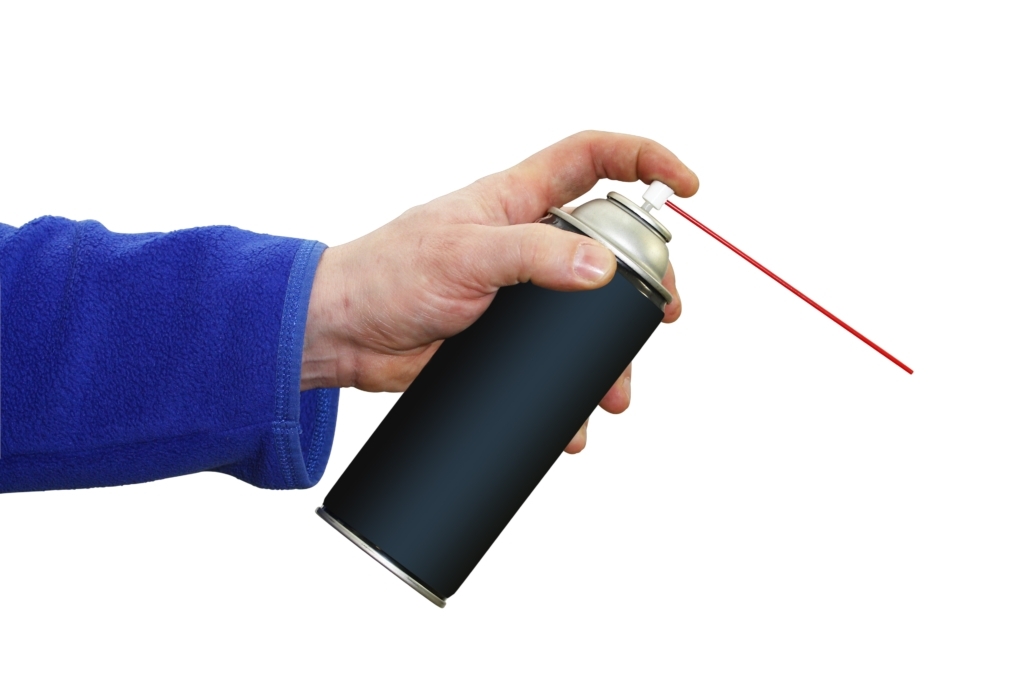
Should you use dielectric solvent in liquid form that can be placed in spray bottles or aerosol form? If you are cleaning large equipment surfaces, the former option may be the most efficient one. However, if you clean precision parts that are situated close together, aerosol, with its advantage of dispersing solvent particles evenly across even small surfaces, may be the ideal choice from the standpoints of solvent preservation and avoiding “over-wetting”electronic parts.
- Cleaner Residue
Most dielectric solvents have a high evaporation rate that prevents solvent from gathering in small creases between electrical contacts, where it could impede the flow of electricity due to the dielectric material. However, a similar phenomenon can occur when the solvent is not residue-free. Apart from potentially causing electricity conduction problems, solvent that leaves residue can cause dirt and grime to quickly adhere to parts until the residue is removed.
Contact Ecolink Today
If you need a new dielectric solvent for cleaning electrical equipment, we can supply you with a cleaner that has the right dielectric strength, a high flashpoint or no flashpoint, and leaves no residue. We can also supply the cleaner in the form that works best for dispersing the solvent. For assistance choosing an eco friendly, best in class dielectric solvent, call us today at (800) 563-1305, or fill out the contact form on our website. We look forward to hearing from you!

